Imagine walking through ancient villages where time stands still, crossing alpine meadows carpeted with wildflowers, and camping under a canopy of stars so bright they seem within reach. This is Har Ki Dun—a valley that whispers tales of the Mahabharata and rewards every trekker with memories that last a lifetime.
Nestled in the Garhwal Himalayas of Uttarakhand, the Har Ki Dun Trek is a perfect blend of natural beauty, cultural richness, and moderate adventure. Whether you’re a first-time trekker or a seasoned mountaineer, this cradle-shaped valley at 11,675 feet offers an experience that touches the soul.
Table of Contents
Why Har Ki Dun Should Be Your Next Adventure in 2026
The magic of Har Ki Dun lies not just in its destination, but in every step of the journey. Unlike commercialized treks, this route takes you through untouched Himalayan villages where locals still practice age-old traditions. The valley is believed to be the route Lord Yudhishthira took on his way to heaven, adding a mythological charm to the trek.
What sets this trek apart is its accessibility combined with genuine wilderness. You don’t need technical mountaineering skills, yet you get to experience pristine forests, thundering waterfalls, and panoramic mountain views that rival any high-altitude expedition.
Complete Trek Route & Itinerary
Day-by-Day Breakdown
Day 1: Dehradun to Sankri (220 km, 8-10 hours drive)
Your adventure begins with a scenic drive from Dehradun through the winding mountain roads. You’ll pass through Mussoorie, Kempty Falls, and several charming hill towns before reaching Sankri village at 6,400 feet. This picturesque village serves as the base camp, where you’ll spend the night acclimatizing and preparing for the days ahead.
Day 2: Sankri to Taluka to Seema (12 km trek, 6-7 hours)
The trek officially begins! From Sankri, a short drive takes you to Taluka, the last motorable point. From here, the trail follows the Supin River through dense pine and deodar forests. You’ll cross small wooden bridges and pass through Gangad village before reaching Seema, a tiny hamlet at 7,530 feet. The sound of the rushing river accompanies you throughout the day.
Day 3: Seema to Har Ki Dun (12 km, 5-6 hours)
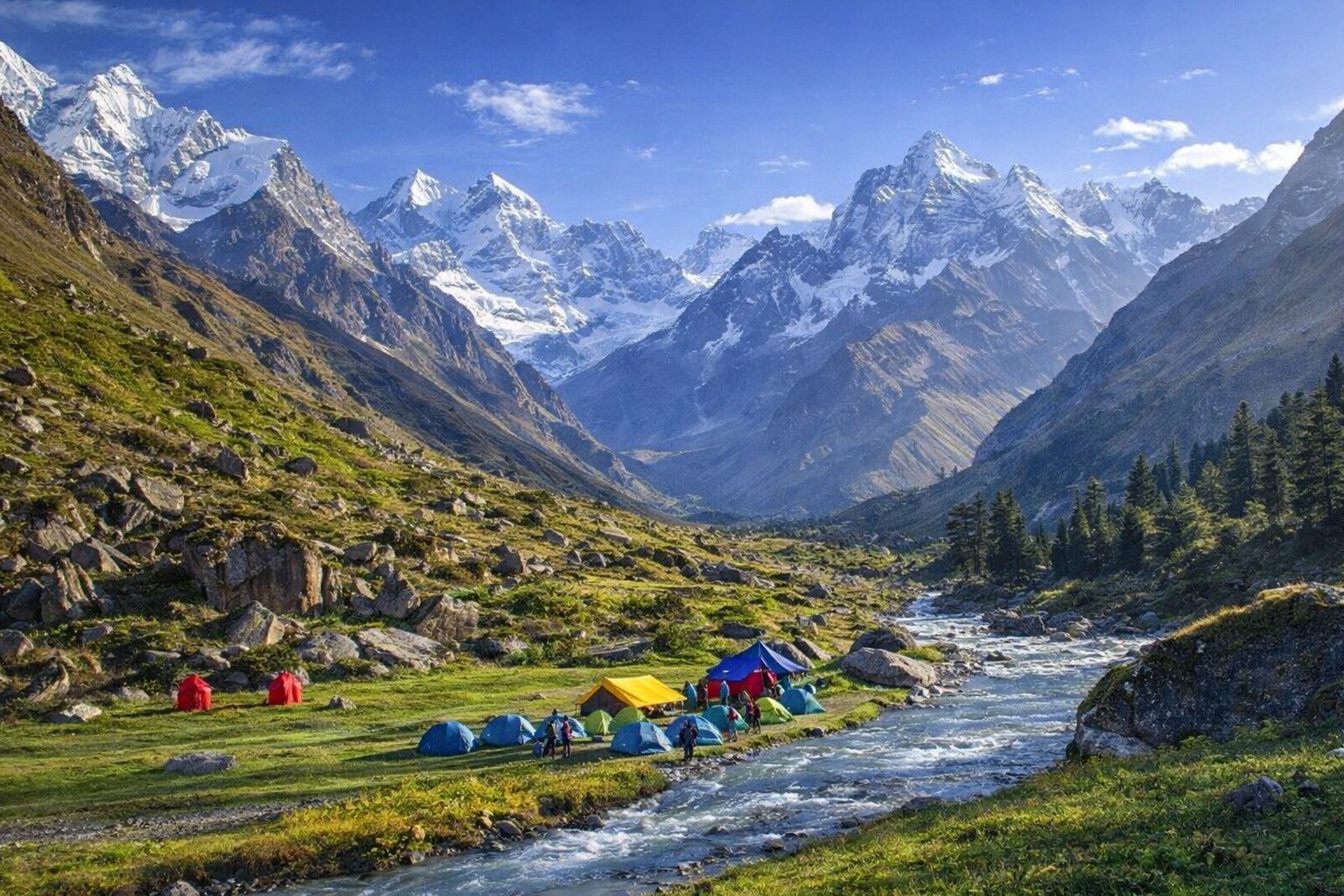
This is where the landscape transforms dramatically. As you ascend, the dense forests give way to open meadows with stunning views of Swargarohini peaks. You’ll trek through Osla village, known for its unique Someshwar temple and traditional wooden houses. The final stretch brings you to the magnificent Har Ki Dun valley, surrounded by snow-capped peaks on three sides.
Day 4: Explore Har Ki Dun Valley & Trek to Jaundhar Glacier (Optional)
Spend the day exploring this heavenly valley. Adventurous trekkers can make a side trip to Jaundhar Glacier base, adding about 6 kilometers to the day. The valley itself offers endless opportunities for photography, meditation, or simply soaking in the 360-degree mountain panorama.
Day 5: Har Ki Dun to Seema (12 km, 4-5 hours)
Begin your descent, retracing your steps through the valley and back to Seema. The downhill trek is easier and allows you to notice details you might have missed on the way up perhaps spotting Himalayan birds or wild mountain goats.
Day 6: Seema to Taluka to Sankri (12 km trek + drive)
Trek back to Taluka and drive to Sankri. Celebrate the completion of your trek with your fellow trekkers, sharing stories around a bonfire under the stars.
Day 7: Sankri to Dehradun (220 km drive)
Return journey to Dehradun, carrying memories and perhaps a changed perspective on life in the mountains.
Weather Conditions Throughout 2026
Spring (March to May)
Spring transforms Har Ki Dun into a botanical paradise. March still carries winter’s chill with temperatures ranging from -5°C to 10°C at night and 10°C to 15°C during the day. By April and May, the valley blooms with rhododendrons, primulas, and countless wildflowers. Daytime temperatures become pleasant at 12°C to 18°C, though nights remain cold at 2°C to 8°C. This season offers clear skies and excellent visibility of the surrounding peaks.
Summer (June to August)
Monsoon arrives in late June, bringing heavy rainfall to the region. While the valley becomes lush and green, the trails can be slippery and leech-infested. Temperatures range from 15°C to 20°C during the day and 8°C to 12°C at night. We generally don’t recommend trekking during July and August due to landslide risks, but early June can be acceptable if you’re prepared for occasional showers.
Autumn (September to November)
This is the golden season for Har Ki Dun. September sees the tail end of monsoons with fresh, clear air and rejuvenated landscapes. October and November offer the best trekking conditions with stable weather, crystal-clear skies, and temperatures ranging from 10°C to 15°C during the day and -2°C to 5°C at night. The autumn colors add a magical touch to the forests.
Winter (December to February)
Winter blankets Har Ki Dun in thick snow, transforming it into a white wonderland. This is for experienced winter trekkers only. Temperatures plummet to -15°C at night and hover around 0°C to 5°C during the day. The trek becomes significantly more challenging but offers unmatched pristine beauty and solitude. Most villages along the route get snowed in, and the trail requires navigation skills and proper winter gear.
Dream Go Himalayas Trek Packages 2026
Standard Package (₹12,999 per person)
What's Included:
- Transportation from Dehradun to Dehradun
- Accommodation in tents (twin sharing)
- All meals from Day 1 dinner to Day 7 breakfast
- Experienced trek leader and support staff
- Forest permits and entry fees
- Basic first aid kit and emergency oxygen
- Sleeping bags and mattresses
What's Not Included:
- Personal trekking gear (shoes, jacket, backpack)
- Insurance
- Any meals during travel days not mentioned
- Porter to carry personal bags
Premium Package (₹17,099 per person
Everything in Standard Package, Plus:
- Homestay accommodation in Sankri instead of tents
- Better quality camping equipment with comfortable sleeping bags
- Porter service (1 porter for 2 trekkers, carries up to 20 kg)
- Professional photography service
- Personal accident insurance
- Trekking gear on rent (if needed)
Customized Private Group Package (Price on Request)
Perfect for families, corporate groups, or friend circles looking for a fully personalized Har Ki Dun Trek experience. We can customize the itinerary, add special activities, and arrange dedicated trek leaders and support staff as per your group’s needs.
👉 For complete details, click here to explore the package
👉 Book your Har Ki Dun Trek with Dream Go Himalayas and avail exclusive offers for 2026
Contact Dream Go Himalayas today to receive a customized quote based on your group size, travel dates, and preferences.
What Makes Dream Go Himalayas Different
At Dream Go Himalayas, we believe trekking is not just about reaching a destination—it’s about the journey, the connections you make, and the stories you gather. Our trek leaders are local mountaineers who grew up in these mountains. They don’t just know the trails; they know every flower, every bird call, and every legend associated with the valley.
We maintain small group sizes (maximum 12-15 trekkers) to ensure personalized attention and minimal environmental impact. Our camping practices follow Leave No Trace principles, and we actively contribute to the local economy by employing village porters and purchasing supplies from local communities.
Safety is our paramount concern. All our trek leaders are trained in wilderness first aid, and we carry comprehensive medical kits including emergency oxygen and altitude sickness medication. We maintain a strict acclimatization schedule and never compromise on weather-related decisions.
Essential Packing List
Clothing:
- 3-4 quick-dry trekking t-shirts
- 2 full-sleeve thermal tops
- 1 warm fleece jacket
- 1 waterproof and windproof jacket
- 2 comfortable trekking pants
- 1 thermal lower
- 4-5 pairs of woolen socks
- Sun hat and woolen cap
- Gloves (waterproof preferred)
Footwear:
- Well-broken-in trekking shoes with good ankle support
- Camp shoes or sandals for evening
- Gaiters (for monsoon or winter treks)
Equipment:
- Backpack (50-60 liters)
- Day pack (20-30 liters)
- Headlamp with extra batteries
- Water bottles (2 liters capacity)
- Trekking pole (highly recommended)
- Sunglasses with UV protection
- Personal toiletries and quick-dry towel
Essentials:
- Personal medications
- Sunscreen (SPF 50+)
- Lip balm with SPF
- Personal first aid kit
- Government-issued ID proof
- Cash (limited ATM access in mountains)
Fitness Requirements & Preparation
Har Ki Dun is classified as an easy to moderate trek, but don’t underestimate the challenge. You’ll be walking 6-7 hours daily at altitudes above 7,000 feet. We recommend starting your fitness preparation at least 4-6 weeks before the trek.
Cardiovascular Training: Build your stamina with jogging, cycling, or swimming for 30-45 minutes, 4-5 times a week. Gradually increase intensity and duration.
Strength Training: Focus on leg strength with squats, lunges, and calf raises. Core strength is equally important for maintaining balance on uneven terrain.
Practice Walks: If possible, take long walks with a loaded backpack (5-7 kg) on weekends. Find stairs or hills to practice ascending and descending.
Flexibility: Include yoga or stretching in your routine to prevent injuries and improve recovery.
Photography Opportunities
Har Ki Dun is a photographer’s paradise. The sunrise over Swargarohini peaks paints the sky in shades of gold and pink that no filter can replicate. The ancient wooden houses of Osla village with their carved facades tell stories of Himalayan architecture. Capture the play of light in the pine forests, the mirror-like reflections in high-altitude streams, and the star trails that decorate the night sky.
Wildlife enthusiasts might spot Himalayan monal (the state bird), yellow-throated martens, and if you’re exceptionally lucky, the elusive snow leopard tracks. The valley is also home to over 100 species of birds.
Local Culture & Traditions
The villages along the Har Ki Dun trail are inhabited by the Bhotiya community, who have a fascinating culture influenced by both Hindu and Tibetan traditions. In winter, when heavy snowfall makes these villages inaccessible, the entire population migrates to lower altitudes, following a centuries-old practice.
The Someshwar temple in Osla is architecturally unique, built in the traditional Garhwali style with intricate wood carvings. During your trek, you’ll witness locals grinding grain using traditional water mills and weaving warm garments from sheep wool.
Respect for local customs is essential. Always ask permission before photographing people or entering temples. Removing shoes before entering homes and religious places is customary.
Safety & Health Considerations
Altitude Sickness: Though Har Ki Dun doesn’t reach extreme altitudes, some trekkers may experience mild symptoms like headache or nausea. Stay well-hydrated (3-4 liters of water daily), avoid alcohol, and inform your trek leader immediately if you feel unwell.
Weather Preparedness: Mountain weather is unpredictable. Even in summer, carry warm layers. In spring and autumn, be prepared for sudden temperature drops in the evening.
Sun Protection: The high-altitude sun is intense. Apply sunscreen every 2-3 hours and wear protective clothing.
Water Safety: Drink only purified water. We provide boiled water at campsites, but carry water purification tablets as backup.
Best Time to Book
For the 2026 trekking season, we recommend booking your slot by February for spring treks and by July for autumn treks. Early booking not only ensures availability but also gives you ample time for fitness preparation.
Dream Go Himalayas offers early bird discounts of 10% for bookings made 3 months in advance. Group discounts are available for 6 or more people.
How to Reach Sankri
By Air: The nearest airport is Jolly Grant Airport in Dehradun, approximately 220 km from Sankri. From the airport, you can join our group transportation or arrange a private taxi.
By Train: Dehradun Railway Station is well-connected to major cities like Delhi, Mumbai, and Kolkata. We offer pick-up services from the railway station.
By Road: Regular bus services operate from Delhi ISBT to Dehradun. From Dehradun, our package includes transportation to Sankri.
Sustainable Trekking Practices
At Dream Go Himalayas, we’re committed to preserving the pristine beauty of Har Ki Dun for future generations. We practice:
- Zero Waste Camping: Everything we carry in, we carry out, including biodegradable waste
- Local Employment: Hiring guides and porters from nearby villages
- Eco-friendly Products: Using biodegradable soaps and detergents
- Wildlife Protection: Maintaining safe distances from animals and their habitats
- Trail Maintenance: Participating in annual cleanup drives and trail restoration
We encourage all our trekkers to adopt these practices and be ambassadors of responsible tourism.
Frequently Asked Questions
Yes, with proper preparation. The trail is well-defined and doesn’t require technical climbing skills. However, you should be reasonably fit and able to walk 6-7 hours daily.
BSNL and Jio have limited connectivity in Sankri and some patches along the trail, but expect to be off-grid for most of the trek. This is part of the charm!
We provide tent toilets at all campsites. In villages, basic facilities are available.
While solo trekking is possible, we strongly recommend joining a group for safety reasons, especially if you’re not experienced with Himalayan terrain.
A: Cancellation policy: 30 days before departure – 75% refund; 15-29 days – 50% refund; less than 15 days – no refund. We recommend travel insurance.
Start Your Journey Today
The mountains are calling, and Har Ki Dun awaits with open arms. This valley has transformed countless trekkers, offering not just adventure but also moments of profound peace and self-discovery.
In 2026, let Dream Go Himalayas be your companion on this unforgettable journey. Our experienced team, commitment to safety, and deep respect for the mountains ensure that your trek will be comfortable, enriching, and inspiring.