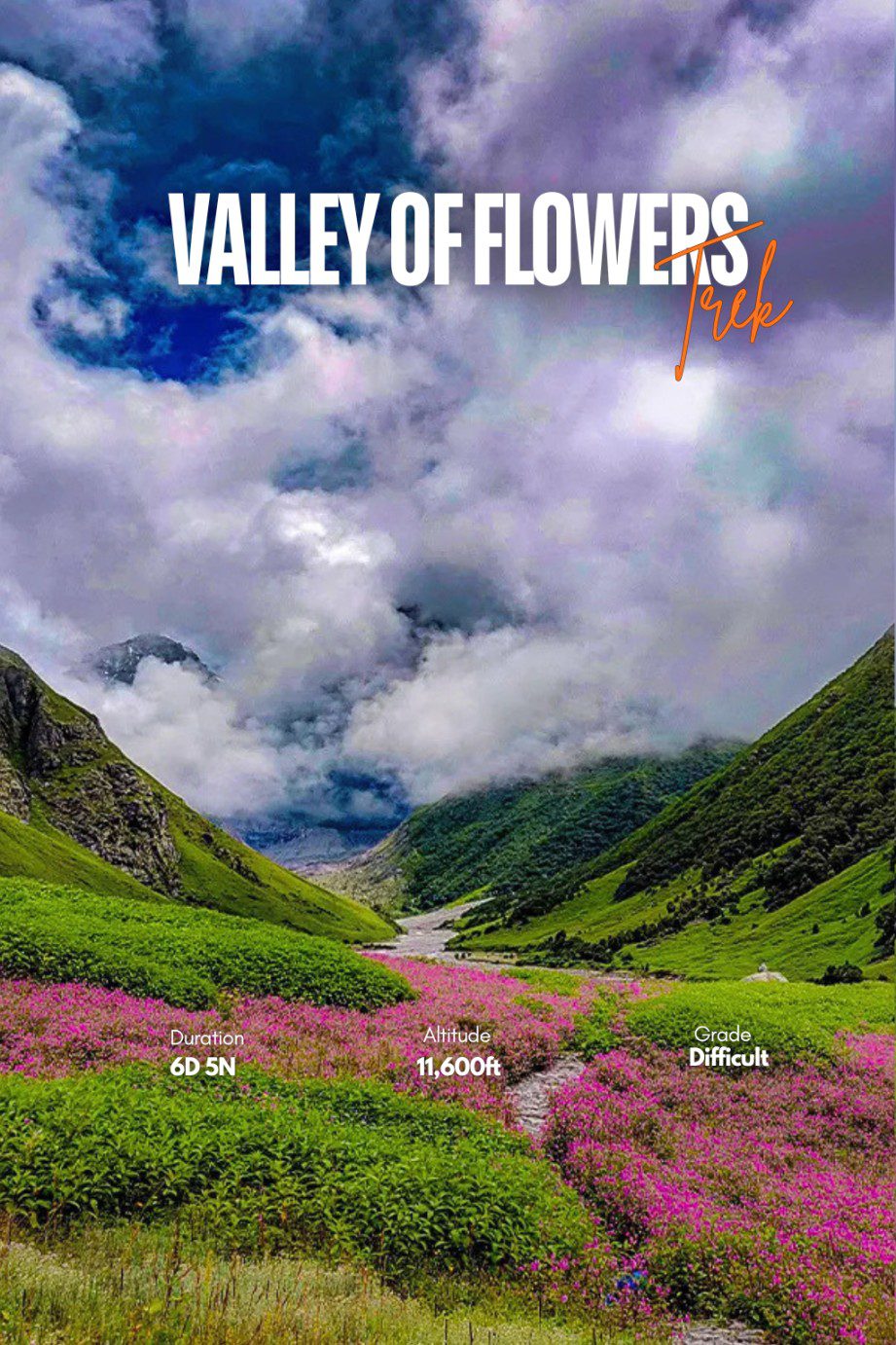
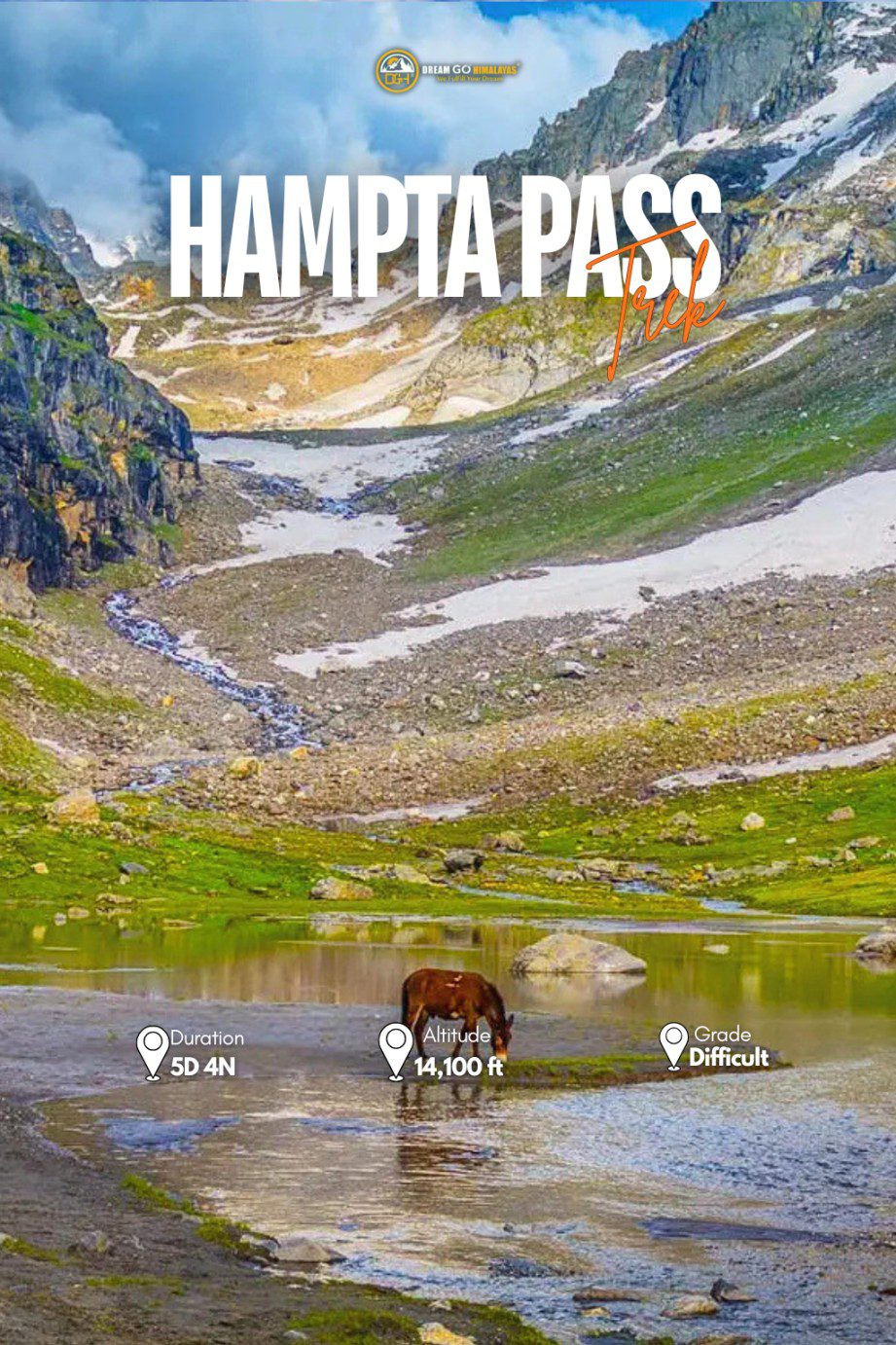
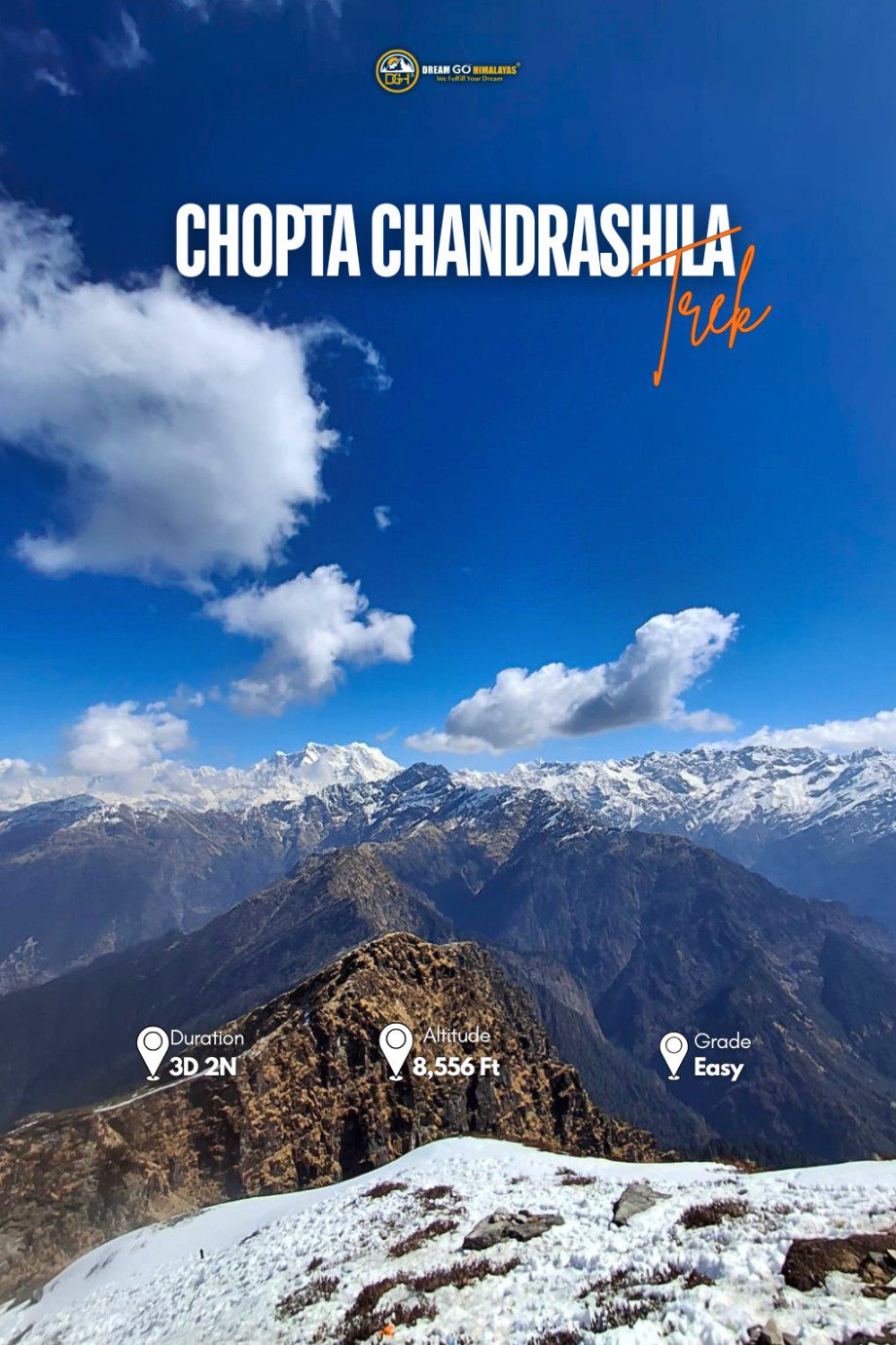
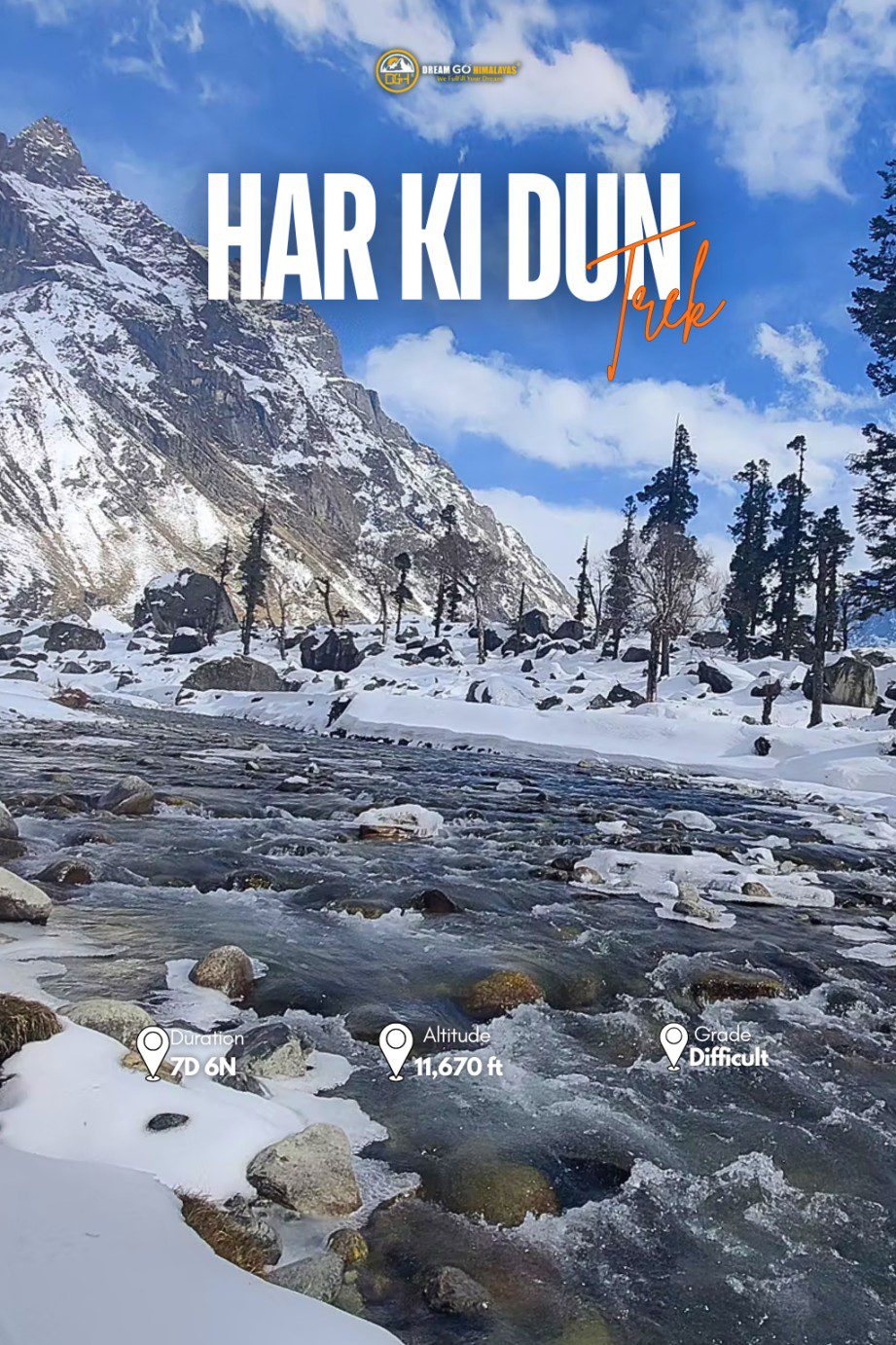

Top Travel Agencies Offering Chopta Tungnath Trek Packages (2026) — Best Prices, Reviews & Booking Guide

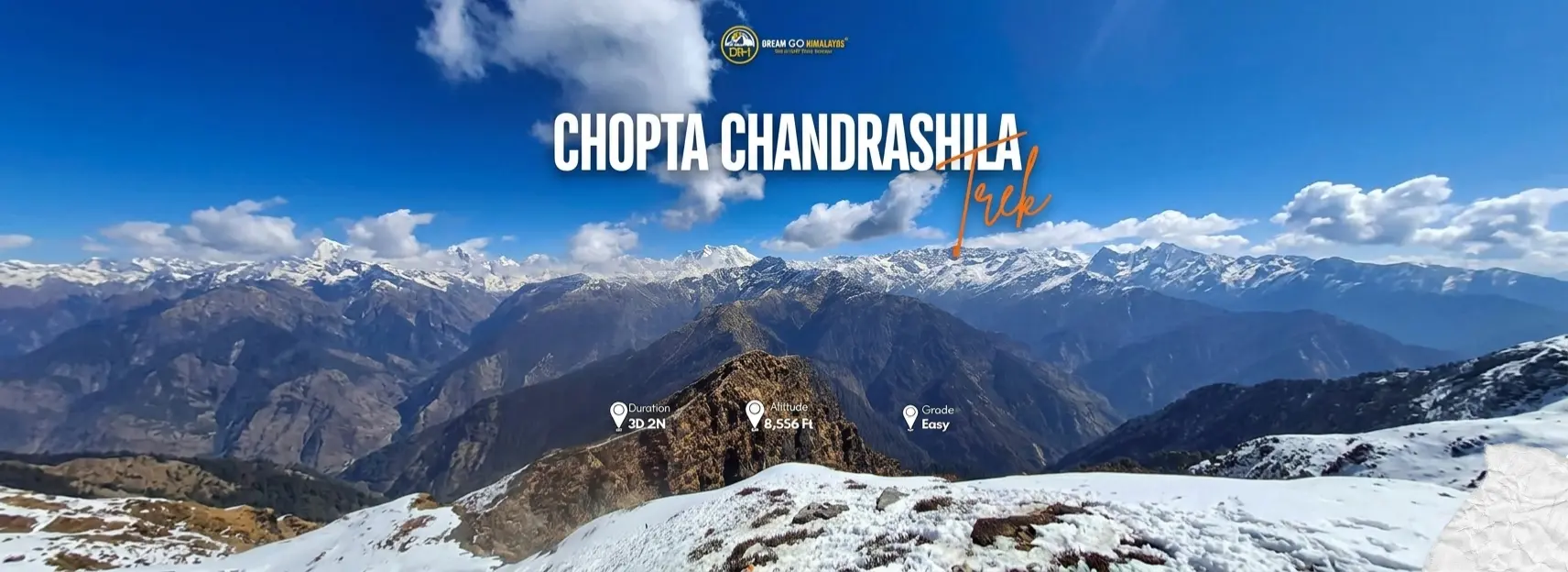
Nestled in the heart of Uttarakhand’s Garhwal Himalayas, the Chopta Tungnath Trek is a dream come true for every nature lover, spiritual seeker, and adventure enthusiast. Whether you’re chasing the golden sunrise from Chandrashila Summit, bowing your head at the world’s highest Shiva temple, or simply soaking in the panoramic views of Nanda Devi, Trishul, and Chaukhamba peaks — this trek delivers an experience like no other.
But here’s the truth: a Himalayan trek is only as good as the team behind it. From safe transportation and hygienic meals to experienced guides and well-maintained camps — choosing the right travel agency can make or break your journey.
In this detailed guide, we compare the top travel agencies offering Chopta Tungnath Trek packages, break down what makes each one special, and help you pick the perfect operator for your 2026 adventure.

Why Choosing the Right Trek Agency Matters

The Chopta Tungnath Chandrashila circuit may be rated as an easy-to-moderate trek, but the Himalayan terrain is unpredictable. Altitude sickness, sudden weather changes, and poorly managed logistics can turn a beautiful trip into a stressful one.
A reliable travel agency ensures:
Licensed local guides with deep knowledge of the trail
Safe, sanitized accommodation (camps/guesthouses)
Nutritious meals suited for high-altitude trekking
Medical support & emergency evacuation plans
Permits, forest fees & entry clearances handled for you
💡 Planning from Delhi? Check out our dedicated Chopta Tungnath Trek from Delhi package for hassle-free road transport and complete itinerary.

Best Travel Agencies for Chopta Tungnath Trek (2026)

1. Dream Go Himalayas — Your Trusted Himalayan Partner

When it comes to curated Himalayan experiences, Dream Go Himalayas stands out as one of the most trusted names for the Chopta region. With a focus on small-group trekking, sustainable tourism, and personalized service, this agency has built a loyal community of trekkers who return year after year.
What Makes Them Special:
  • Customizable itineraries — from weekend getaways to extended Chandrashila circuits
  • Delhi-to-Chopta road transport included in most packages
  • Experienced local guides born and raised in the Garhwal region
  • Clean campsites with proper toilet facilities and hot meals
  • All-inclusive pricing — no hidden charges for permits or entry fees
Popular Packages:
Best For: Families, first-time trekkers, corporate groups, and spiritual travelers.

2. Trektonic Adventures — Premium Trekking Experiences

Trektonic Adventures has earned a solid reputation for delivering well-organized, safety-first trekking experiences across Uttarakhand. Their Chopta Tungnath packages are known for transparent pricing, professional trek leaders, and excellent pre-trek briefing sessions.
What Makes Them Special:
  • Certified trek leaders with Wilderness First Responder (WFR) training
  • High-quality trekking gear available on rent
  • Small batch sizes (max 15-20 trekkers per group)
  • Detailed day-wise itineraries shared before booking
  • Flexible cancellation policies for unpredictable weather
Popular Packages:
Best For: Adventure seekers, photography enthusiasts, and trekkers who value structured planning.

3. White Wolf Adventure — India's Largest Trekking Community

White Wolf Adventure needs no introduction. As one of India’s most recognized trekking organizations, they bring scientific acclimatization protocols, eco-friendly practices, and a massive community of trekkers to the Chopta trail.
What Makes Them Special:
  • Green Trails initiative — trekkers carry back all waste
  • Scientific acclimatization schedules to prevent altitude sickness
  • Detailed trek documentation and preparation guides
  • Large network of support staff and porters
Best For: Environmentally conscious trekkers and those who enjoy community trekking.

4. Great Indian Adventure - Skill-Based Trekking Approach

Great Indian Adventure takes a unique approach by categorizing treks based on difficulty and required fitness levels. Their Chopta Tungnath trek is tagged as “Easy,” making it accessible to beginners and children above 8 years.
What Makes Them Special:
  • Fitness preparation guidance before the trek
  • Technical training for more advanced Himalayan treks
  • Transparent difficulty ratings so you know exactly what to expect
Best For: Beginners, families with kids, and trekkers planning to level up to harder trails.

Chopta Tungnath Trek: Quick Overview

FeatureDetails
Maximum Altitude12,083 ft (Chandrashila Summit)
Tungnath Temple11,154 ft (World’s Highest Shiva Temple)
Trek DifficultyEasy to Moderate
Best SeasonMarch–June & September–November
Winter TrekDecember–February (snow-covered trail)
Base VillageChopta (2,680 m)
Nearest RailwayRishikesh (approx. 210 km)
Nearest AirportJolly Grant, Dehradun (approx. 225 km)

What to Expect on the Chopta Tungnath Trek

Day 1: Drive to Chopta

Your journey begins from Rishikesh or Delhi, winding through Devprayag, Rudraprayag, and Ukhimath. The road itself is a visual treat with the Alaknanda and Mandakini rivers accompanying you.

Day 2: Chopta to Tungnath Temple

A 3.5 km gradual ascent through rhododendron and deodar forests. The ancient Tungnath Temple, believed to be over 1,000 years old, welcomes you with its stone architecture and spiritual energy.

Day 3: Tungnath to Chandrashila Summit & Return

The final 1.5 km push to Chandrashila Summit rewards you with a 360° view of the Himalayan giants. On a clear day, you can spot peaks spanning from Kumaon to Nepal!
🏔️ Want the full experience? Explore our Chopta Chandrashila Trek package that includes the stunning Deoriatal Lake as well.

How to Choose the Right Agency for Your Trek

Before you hit that “Book Now” button, ask these questions:
  1. Is the agency registered with the Uttarakhand Tourism Department?
  2. Do they provide insurance or emergency evacuation support?
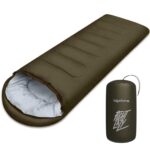
  3. What’s included in the package price? (Meals, transport, permits, tents, sleeping bags?)
  4. What’s the group size? Smaller groups = better experience.
  5. Are the guides local? Local guides know the terrain, weather patterns, and shortcuts.
  6. What’s the cancellation/refund policy? Mountain weather is unpredictable.

Chopta Tungnath Trek Package Price Comparison (2026 Estimates)

AgencyDurationPrice Range (Per Person)Inclusions
Dream Go Himalayas3–5 Days₹6,500 – ₹12,000Transport, meals, stay, guide, permits
Trektonic Adventures3–5 Days₹7,000 – ₹13,500All meals, camping, trek leader, permits
White Wolf Adventure5–6 Days₹10,500 – ₹16,000All-inclusive package with gear and insurance
Great Indian Adventure4–5 Days₹8,500 – ₹14,000Transport, stay, meals, guide

💰 Pro Tip: Book early for the summer (April–June) and autumn (September–November) seasons. These slots fill up fast with the best agencies!

Final Thoughts: Book Your Chopta Adventure with Confidence

The Chopta Tungnath Trek is more than just a trail — it’s a journey through ancient spirituality, raw Himalayan beauty, and personal achievement. Whether you’re standing at the Chandrashila Summit with the wind in your hair or quietly praying at the Tungnath Temple, this trek leaves an imprint on your soul.
Choosing a trusted travel agency ensures you focus on the experience while they handle the logistics. Dream Go Himalayas and Trektonic Adventures both offer exceptional packages tailored to different needs — from quick weekend escapes to immersive 5-day Himalayan circuits.
🎯 Ready to trek?

Frequently Asked Questions (FAQ)

Q1. Which is the best month for Chopta Tungnath Trek?
A: April to June and September to November offer clear skies and pleasant weather. For snow lovers, December to February is magical.
Q2. Is Chopta Tungnath Trek safe for beginners?
A: Absolutely! It’s one of the easiest Himalayan treks. A basic fitness level is sufficient.
Q3. Can I do Chopta Tungnath Trek without a travel agency?
A: While possible, hiring an agency ensures safety, proper permits, accommodation, and emergency support — especially for first-timers.
Q4. What is the total trekking distance?
A: Chopta to Tungnath is ~3.5 km, and Tungnath to Chandrashila is another ~1.5 km (one way).
Q5. Is mobile network available on the trek?
A: Very limited. BSNL works intermittently at Chopta. Most of the trail has no connectivity — a perfect digital detox!
 
 
Have questions or need a customized Chopta Tungnath Trek package? Drop a comment below or contact Dream Go Himalayas directly for personalized trip planning! 🏔️✨

Leave a Reply

Chopta to Kedarkantha - The Easiest Winter Treks in Uttarakhand for First-Time Trekkers

If you are searching for the easiest winter trek in Uttarakhand for beginners, your search ends at two legendary names: Chopta and Kedarkantha. These two treks have introduced thousands of first-time trekkers to the magic of Himalayan snow – safely, affordably, and unforgettable.
Whether you are a college student planning your first mountain adventure, a working professional looking for a weekend snow escape from Delhi, or a family wanting to experience the Himalayas without extreme difficulty — the trails from Chopta to Tungnath-Chandrashila and Sankri to Kedarkantha Summit offer the perfect introduction to winter trekking in India.
At Dream Go Himalayas, we have guided hundreds of beginners through these snow-covered trails. In this complete guide, we compare both treks side-by-side, share real costs, detailed itineraries, difficulty breakdowns, and help you decide which beginner winter trek in Uttarakhand is your perfect match.

Why Chopta and Kedarkantha Are the Best Winter Treks for Beginners

Uttarakhand is blessed with some of the most accessible snow treks in the Indian Himalayas. While treks like Brahmatal, Dayara Bugyal, and Kuari Pass are also popular, Chopta Tungnath Chandrashila and Kedarkantha remain the undisputed favorites for first-time winter trekkers** because they offer:
  • Well-marked, stone-paved trails with gradual ascents
  • Short daily trekking distances (3–6 km per day)
  • Zero technical climbing — no ropes or mountaineering skills needed
  • Breathtaking 360° summit views that reward every step
  • Safe camping infrastructure and experienced local guides
  • Easy road connectivity from Delhi, Dehradun, and Rishikesh
🔗 Related: Looking for a shorter spiritual trek? Explore our Chopta Chandrashila Tungnath Trek Package.

Quick Comparison — Chopta vs Kedarkantha for Beginners

FeatureChopta Tungnath Chandrashila TrekKedarkantha Trek
Starting PointChopta (8,790 ft)Sankri Village (6,400 ft)
Highest Altitude13,123 ft (Chandrashila Summit)12,500 ft (Kedarkantha Summit)
Total Trek Distance~10–13 km (Round Trip)~20 km (Round Trip)
Duration2–3 Days5–6 Days
DifficultyEasy to ModerateEasy to Moderate
Best Time for SnowDecember – FebruaryDecember – March
Daily Trekking Hours3–5 Hours4–6 Hours
Camping ExperienceLimited (Guesthouses at Chopta)Yes (Juda Ka Talab & Base Camp Camping)
Summit Sunrise✅ 360° views of Nanda Devi, Trishul & Chaukhamba✅ 360° views of Swargarohini, Bandarpoonch & Black Peak
Ideal ForWeekend trekkers, pilgrims, photographers & short tripsFirst-time campers, snow lovers & trekking groups
Approximate Cost₹3,000 – ₹6,500₹5,000 – ₹12,000

🔗 Related: Check our detailed Kedarkantha Trek Package with complete itinerary and best price guarantee.

Chopta Tungnath Chandrashila — The Shortest & Easiest Winter Trek in Uttarakhand

What Makes Chopta the Perfect Beginner Winter Trek?

The Chopta Tungnath Chandrashila Trek is widely considered the easiest high-altitude winter trek in Uttarakhand. Starting from the scenic meadows of Chopta — famously called the “Mini Switzerland of India” — this trek takes you to Tungnath Temple (12,073 ft), the highest Shiva temple in the world, and further to the majestic Chandrashila Summit (13,123 ft).
Why first-time trekkers love it:
  • The trail is stone-paved and well-defined from Chopta to Tungnath
  • Only 3.5 km one way to Tungnath (3–4 hours of gentle walking)
  • Additional 1.5 km to Chandrashila (45–60 minutes)
  • Can be completed as a day hike if you start early from Chopta
  • No mandatory camping — comfortable guesthouses available at Chopta

H3: Winter Trek Experience at Chopta

From December to February, the entire trail from Chopta to Tungnath transforms into a white wonderland. The dense deodar and rhododendron forests get draped in fresh snow, and the Chandrashila Summit offers one of the finest 360° panoramas in the Indian Himalayas — from Kedarnath and Kedar Dome to Nanda Devi and Trishul.
⚠️ Important: Tungnath Temple remains closed during winter (mid-November to April), but the trek route stays fully open till the temple courtyard and Chandrashila peak. You can still experience the spiritual energy of the snow-draped temple walls.

Chopta Trek Itinerary for Beginners (3 Days)

DayActivityDetails
Day 1Drive to ChoptaDrive from Rishikesh to Chopta via Devprayag (8–9 hours). Check in to your guesthouse or campsite, attend the trek briefing, enjoy dinner, and rest overnight.
Day 2Tungnath & Chandrashila TrekAfter an early breakfast, begin the trek to Tungnath Temple and continue to Chandrashila Summit (approx. 5 km). Enjoy breathtaking 360° Himalayan views before returning to Chopta in the evening.
Day 3Deoriatal Lake & DepartureVisit the beautiful Deoriatal Lake, famous for its mirror-like reflection of the Chaukhamba peaks. After sightseeing, drive back to Rishikesh and conclude the trip by evening.

🔗 Related: Want the complete winter experience? Read our Best Time to Visit Chopta Tungnath Winter Trek guide.

Kedarkantha Trek — The Queen of Winter Treks for First-Timers

Why Kedarkantha is India’s Most Popular Beginner Winter Trek

The Kedarkantha Trek is proudly known as the “Queen of Winter Treks” and is the most sought-after winter trekking destination for beginners in India. Located within the pristine Govind Wildlife Sanctuary in Uttarkashi district, this trek delivers the complete Himalayan winter experience — dense pine forests, frozen alpine lakes, snow-covered meadows, and a thrilling summit climb.
What makes it special for beginners:
  • Gradual altitude gain — starts at 6,400 ft, reaches 12,500 ft over 4 days
  • Short daily distances — only 3–4 km of walking per day
  • Well-marked trail through enchanting forests and clearings
  • Beautiful campsites at Juda Ka Talab and Kedarkantha Base Camp
  • 360° summit views of Swargarohini, Black Peak, Bandarpoonch, and Ranglana

Kedarkantha Winter Trek Itinerary (5 Days)

DayDistance & TimeAltitudeHighlights
Day 1220 km Drive (8–10 hrs)2,140 ft → 6,400 ftDrive from Dehradun to Sankri via Mussoorie and Purola. Enjoy scenic Himalayan roads and stay overnight at a guesthouse in Sankri.
Day 24 km Trek (3–4 hrs)6,400 ft → 9,100 ftTrek through dense pine and oak forests to Juda Ka Talab, a beautiful frozen lake surrounded by tall trees. Overnight camping.
Day 34 km Trek (3–4 hrs)9,100 ft → 11,250 ftAscend across snowy meadows to Kedarkantha Base Camp. Witness spectacular sunset views over the Himalayan peaks.
Day 46 km Round Trip (6–7 hrs)11,250 ft → 12,500 ftBegin the pre-dawn summit climb to Kedarkantha Peak. Enjoy sunrise and breathtaking 360° views before descending to Hargaon or Juda Ka Talab campsite.
Day 54 km Trek + 220 km DriveReturn to Sankri → DehradunTrek back to Sankri and drive to Dehradun. The journey concludes by approximately 8:30–9:30 PM.

🔗 Related: Book our Kedarkantha Winter Trek 2026-27 package at the best price.

Which Winter Trek Should You Choose — Chopta or Kedarkantha?

 Choose Chopta Tungnath Chandrashila If:

  • You have only 2–3 days (perfect weekend trip from Delhi)
  • You want the easiest possible trail with minimal steep sections
  • You prefer guesthouse stays over camping in tents
  • You are traveling with senior citizens or kids above 8 years
  • You want a spiritual + trekking experience (Panch Kedar circuit)
  • You want to see Nanda Devi, Trishul, and Chaukhamba up close
  • Your budget is around ₹5,500–₹6,500
🔗 Related: Explore our Chopta Chandrashila Trek Package with Deoriatal included.

Choose Kedarkantha If:

  • You want a full camping experience under star-filled skies
  • You have 4–5 days available for the adventure
  • You want to walk through snow-covered pine forests
  • You want to witness a frozen high-altitude lake (Juda Ka Talab)
  • You are a first-time trekker seeking complete Himalayan immersion
  • You want to see Swargarohini, Bandarpoonch, and Black Peak
  • Your budget is around ₹7,999
🔗 Related: Compare our Kedarkantha Trek options with detailed inclusions.

🔗 Related: Book our Kedarkantha Winter Trek 2026-27 package at the best price.

Essential Winter Trekking Tips for First-Timers

Fitness Preparation

Even though these are the easiest winter treks in Uttarakhand, basic fitness is essential:
  • Jog or brisk walk 3–4 km daily for 2–3 weeks before the trek
  • Practice squats, lunges, and stair climbing for leg strength
  • If you can jog 3 km in 25–30 minutes, you are ready for these treks

 What to Pack for Winter Trekking

Essential GearWhy You Need It
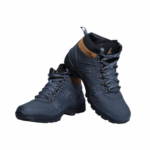
Waterproof trekking shoes with ankle supportGrip on snow and ice
Thermal innerwear (top + bottom)Base layer for sub-zero nights
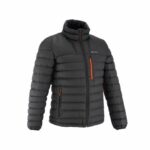
Down jacket / heavy fleece (-10°C rated)Insulation at high altitude
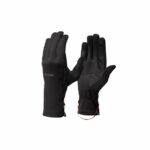
Waterproof gloves & woolen capPrevent frostbite
UV-protection sunglassesProtect against snow blindness
Microspikes / cramponsTraction on icy trails
Headlamp with extra batteriesSummit starts before sunrise
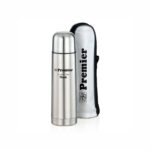
Insulated water bottlePrevents freezing in cold

💡 Good News: Dream Go Himalayas offers trekking gear on rent — jackets, shoes, backpacks, and accessories. Travel light, rent right.

Altitude Sickness Prevention

  • Walk slow and steady — do not rush on the trail
  • Drink 3–4 liters of water daily, even if you do not feel thirsty
  • Avoid alcohol and smoking 48 hours before the trek
  • Spend a night at the base (Chopta or Sankri) before ascending
  • Inform your trek leader immediately if you feel headache or dizziness

Cost Comparison — Budget Planning for Beginners

ExpenseChopta Trek (Per Person)Kedarkantha Trek (Per Person)
Transport (From Base City)Included in PackageIncluded in Package
Accommodation (Guesthouse/Camp)Included in PackageIncluded in Package
All Meals (Veg + Egg)Included in PackageIncluded in Package
Guide, Permits & Safety GearIncluded in PackageIncluded in Package
Dream Go Himalayas Package₹5,500 (Rishikesh)
₹6,500 (Delhi)
₹7,999 (Dehradun)

What Our Packages Include:

✅ Pick-up & drop from Rishikesh/Dehradun/Delhi
✅ Comfortable transportation
✅ Guesthouse & Alpine/Dome tent accommodation
✅ All nutritious vegetarian meals + evening snacks
✅ IMF/NIM-certified trek leaders & local guides
✅ First aid kit, oxygen cylinder & safety equipment
✅ Forest permits & trekking fees
✅ Trek completion certificate
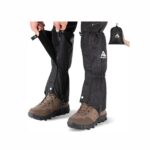
✅ Microspikes and gaiters (for winter batches)
📞 Call 07830680393 for group discounts and customized corporate or college bookings.

Best Time to Do These Winter Treks

MonthSnow ConditionTemperatureRecommendation
DecemberFresh Snowfall Begins-5°C to 10°C✅ Perfect for first snow experience & holiday season trekking
JanuaryDeep Snow, Peak Winter-10°C to 8°C✅ Best snow conditions with crystal-clear summit views
FebruaryStable Snow Cover-5°C to 10°C✅ Fewer crowds and peaceful forest trails
MarchMelting Snow, Pleasant Weather0°C to 15°CIdeal for beginners seeking snow without extreme winter conditions.

🔗 Related: Read our detailed Best Time to Visit Chopta Tungnath Winter Trek month-by-month analysis.

How to Reach These Trek Starting Points

Reaching Chopta (Chopta Chandrashila Trek)

  • By Air: Jolly Grant Airport, Dehradun (~220 km from Chopta)
  • By Train: Haridwar / Rishikesh Railway Station
  • By Road: Rishikesh → Devprayag → Rudraprayag → Ukhimath → Chopta (8–9 hours)

Reaching Sankri (Kedarkantha Trek)

  • By Air: Jolly Grant Airport, Dehradun (~200 km from Sankri)
  • By Train: Dehradun Railway Station
  • By Road: Dehradun → Mussoorie → Purola → Mori → Sankri (8–10 hours)
Winter Road Alert: Roads near Chopta and Sankri can experience snow blockages in January. Dream Go Himalayas uses experienced mountain drivers and 4×4 vehicles where needed. Always check conditions before departure.

Why Book Your First Winter Trek with Dream Go Himalayas?

FeatureWhat You Get
🏔️ Local Himalayan ExpertsDehradun-based team with deep mountain knowledge
🎓 Certified Trek LeadersNIM/IMF-trained guides with 10+ years of experience
👥 Small Batch SizesMaximum 12–15 trekkers per batch for personalized attention
Quality EquipmentHigh-grade tents, -10°C sleeping bags, microspikes, gaiters
🍲 Hygienic MealsFresh vegetarian food prepared with mountain hygiene standards
🛡️ Safety FirstOxygen cylinders, first aid, oximeters, emergency protocols
💰 Transparent PricingNo hidden costs — what you see is what you pay
📜 Trek CertificateCommemorative certificate on completion
🌿 Sustainable TrekkingLeave No Trace principles; support for local communities

Ready for Your First Winter Trek? Book Now!

Whether you choose the short and spiritual Chopta Tungnath Chandrashila Trek or the immersive Kedarkantha Winter Trek, both promise an unforgettable introduction to Himalayan winter trekking.
👉 Book Chopta Chandrashila Trek — Starting at ₹5,500 (Rishikesh) / ₹6,500 (Delhi)
👉 Book Kedarkantha Trek — Starting at ₹7,999 (Dehradun)
👉 Book Kedarkantha Winter Trek 2026-27 — Special Winter Rates
👉 Read Best Time to Visit Chopta Tungnath Winter Trek
📞 Have questions? Call or WhatsApp us at 07830680393 for a free consultation on which trek suits you best!

Leave a Reply

When is the Best Time for Kedarkantha Trek?

The best time to visit Kedarkantha Trek depends entirely on what kind of Himalayan experience you are looking for. Standing tall at 12,500 feet in the Govind Wildlife Sanctuary of Uttarakhand, Kedarkantha is one of the rare treks that transforms completely with every season.
  • For Deep Snow & Classic Winter Magic: December to March (Peak: January)
  • For Snow + Greenery Combo: March to April
  • For Lush Meadows & Families: May to June
  • For Crystal Clear Views & Photography: September to November
  • Avoid: July & August (heavy rains, landslides, trail closure)
🔗 Ready to experience the snow? Explore our Kedarkantha Trek Package or the exclusive Kedarkantha Winter Trek for the ultimate snowy adventure.

Kedarkantha Trek Month-wise Weather & Temperature Chart

MonthDay TempNight TempSnow ConditionBest For
January-2°C to 5°C-10°C to -15°CMaximum snow, frozen lakeHardcore snow lovers, photographers
February0°C to 7°C-5°C to -10°CThick snow coverBeginners wanting winter experience
March5°C to 12°C-2°C to 5°CSnow at higher campsBest of both worlds (snow + spring)
April8°C to 15°C0°C to 5°CMelting snow, rhododendronsFamilies, nature lovers
May10°C to 18°C5°C to 10°CNo snow, lush greenBeginners, bird watchers
June12°C to 20°C8°C to 12°CClear trails, wildflowersSummer trekking, families
July12°C to 18°C10°C to 15°CHeavy rainfallNot Recommended
August12°C to 18°C10°C to 15°CLandslide riskNot Recommended
September10°C to 16°C5°C to 10°CPost-monsoon greeneryClear views, fewer crowds
October8°C to 14°C0°C to 5°CGolden forestsPhotographers, autumn colors
November5°C to 10°C-2°C to 2°CFirst snowfall beginsPre-winter solitude seekers
December0°C to 8°C-5°C to -10°CFresh snowfall startsClassic winter trek experience

Kedarkantha Trek in Winter (December – March) ❄️

Winter is when Kedarkantha truly earns its crown as the “Queen of Winter Treks”. The entire trail transforms into a pristine white wonderland that attracts thousands of trekkers from across India.

What to Expect in Winter:

  • Deep Snow Cover: From mid-December onwards, the trails, pine forests, and meadows get blanketed in fresh powdery snow. In January, expect knee-deep snow on the summit push.
  • Frozen Juda Ka Talab: The iconic alpine lake freezes completely, creating a surreal landscape surrounded by snow-laden oak and pine trees.
  • Sub-Zero Temperatures: Nights at higher campsites can drop to -15°C, while daytime temperatures range from 0°C to 8°C.
  • 360° Summit Views: From the Kedarkantha summit, witness uninterrupted panoramas of Swargarohini, Bandarpunch, Black Peak (Kala Nag), and the Ranglana range.
  • Live Snowfall: December and January offer the highest chances of witnessing fresh snowfall during your trek.

Who Should Go in Winter?

  • Adventure seekers looking for a real Himalayan snow trek
  • First-time trekkers (Kedarkantha is one of the best winter treks for beginners)
  • Photography enthusiasts chasing golden sunrises over snow-capped peaks
⚠️ Pro Tip: Carry at least 4-5 warm layers, waterproof gloves, micro-spikes, and gaiters. The summit day is steep and windy.
🔗 Want maximum snow? Check out our dedicated Best Time to Visit Kedarkantha for Snow guide and Kedarkantha Winter Trek package.

Kedarkantha Trek in Spring (March – April) 🌸

Spring is one of the most underrated seasons for Kedarkantha. Most trekkers don’t realize that March still offers plenty of snow, but with the added bonus of blooming landscapes.

What Makes Spring Special:

  • Snow + Greenery Combo: Higher campsites still hold winter snow, while the forests burst into fresh green with rhododendron (Buransh) flowers painting the trail in red and pink.
  • Pleasant Temperatures: Days are comfortable at 10°C to 15°C, while nights are chilly but manageable at 0°C to 5°C.
  • Bird Watching: The Govind Wildlife Sanctuary comes alive with Himalayan Monal, golden eagles, and numerous songbirds.
  • Fewer Crowds: Unlike the December-January rush, spring offers a more peaceful trail experience.

Who Should Go in Spring?

  • Trekkers who want snow without extreme cold
  • Nature lovers and photographers
  • Those seeking a quieter Himalayan experience

Kedarkantha Trek in Summer (May – June) 🌿

If you think Kedarkantha is only a winter destination, summer will surprise you. This is when the trek is at its greenest best.

Summer Highlights:

  • Lush Meadows: The clearings above the forests turn into vibrant green carpets sprinkled with wildflowers.
  • Family-Friendly Weather: Day temperatures range from 15°C to 20°C, making it ideal for families with children and beginner trekkers.
  • Clear Trail Visibility: Without snow cover, you can clearly see the ridge lines and the full grandeur of the Garhwal Himalayas.
  • Magical Campsites: The forest clearings at Juda Ka Talab and Pukhrola are enchanting under starlit summer skies.

Who Should Go in Summer?

  • Families and first-time Himalayan trekkers
  • Wildlife and bird photography enthusiasts
  • Those who prefer comfortable trekking weather over snow

Kedarkantha Trek in Autumn (September – November) 🍂

Autumn is the photographer’s paradise. After the monsoon clears, the Himalayas reveal their sharpest, most dramatic views.

Autumn Attractions:

  • Crystal Clear Skies: The post-monsoon atmosphere is squeaky clean. The 360° views from the summit are at their absolute best with zero haze.
  • Golden Forests: The oak and maple forests turn shades of yellow, orange, and brown. The trail becomes a crunchy carpet of fallen leaves.
  • Moderate Temperatures: Days are pleasant at 10°C to 15°C, with nights dropping to 0°C to 5°C.
  • Solitude: Autumn sees far fewer trekkers than winter, giving you the mountains almost entirely to yourself.

Who Should Go in Autumn?

  • Landscape photographers
  • Trekkers seeking solitude and clear weather
  • Those who want to avoid the winter crowd

Why Avoid Monsoon (July – August) 🌧️

The Kedarkantha trek is typically closed during monsoon for good reason:
  • Heavy rainfall makes trails extremely slippery and dangerous
  • High risk of landslides in the Govind Wildlife Sanctuary region
  • Leeches and muddy conditions make trekking unpleasant
  • Cloud cover blocks the iconic 360° summit views
  • Many trekking organizations, including Dream Go Himalayas, do not operate batches during these months
Exception: Only highly experienced trekkers with proper gear and local guides should consider monsoon trekking, and even then, it is not recommended.

Kedarkantha Trek Difficulty by Season

Kedarkantha is rated Easy to Moderate, but the difficulty varies significantly by season:
 
SeasonDifficulty LevelWhy?
WinterModerateDeep snow, sub-zero nights, steep summit push in snow
SpringEasy to ModerateSome snow remains; slippery patches possible
SummerEasyClear trails, warm weather, no technical challenges
AutumnEasy to ModerateOccasional post-monsoon trail damage; otherwise clear
The total trekking distance is approximately 19-23 km over 4 days (6 days including travel from Dehradun). The altitude gain from Sankri (6,400 ft) to the summit (12,500 ft) is significant, so proper acclimatization is essential regardless of season.
🔗 New to trekking? Read our detailed guide on Kedarkantha Trek Difficulty Level for Beginners to know exactly what to expect.

What to Pack for Each Season

Winter Packing List:

  • Thermal inners (2 sets)
  • Fleece jacket + insulated down jacket
  • Waterproof trekking shoes with ankle support
  • Micro-spikes and gaiters (for snow)
  • Woolen cap, balaclava, waterproof gloves (2 pairs)
  • Sunglasses (UV protection) + sunscreen SPF 50+
  • Headlamp with extra batteries

Spring/Autumn Packing List:

  • Warm layers (3-4)
  • Light fleece + windproof jacket
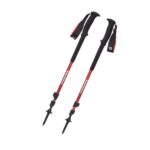
  • Trekking pole for balance
  • Rain cover for backpack
  • Comfortable trekking shoes

Summer Packing List:

  • Light breathable clothing
  • One warm jacket for nights
  • Sun hat and sunglasses
  • Water bottle (2 liters minimum)
  • Basic first-aid kit

Kedarkantha Trek Route & Itinerary Overview

The Kedarkantha trek route starts from the picturesque village of Sankri in Uttarakhand:
  1. Day 1: Drive from Dehradun to Sankri (190 km, 8-10 hours)
  2. Day 2: Sankri to Juda Ka Talab (4 km, 4 hours) – Trek through dense pine and oak forests
  3. Day 3: Juda Ka Talab to Kedarkantha Base Camp (4 km, 3-4 hours) – Ascend through snowy meadows
  4. Day 4: Summit Day – Base Camp to Kedarkantha Peak (12,500 ft) and descend to Hargaon (6-7 km, 7-8 hours)
  5. Day 5: Hargaon to Sankri (4 km, 3 hours) and drive back to Dehradun

Key Highlights:

  • Juda Ka Talab: A serene high-altitude lake, frozen in winter
  • Pukhrola & Hargaon Campsites: Beautiful clearings in the middle of forests
  • Kedarkantha Summit: 360° panoramic views of the Garhwal Himalayan range
  • Govind Wildlife Sanctuary: Chance to spot Himalayan black bear, musk deer, and snow leopards

How to Reach Sankri Base Camp

  • Nearest Airport: Jolly Grant Airport, Dehradun (45 minutes from Delhi by flight)
  • Nearest Railway Station: Dehradun Railway Station
  • Road: Buses and shared taxis available from Dehradun’s Prince Chowk starting at 5:00 AM
  • Private Cab: Direct from Dehradun to Sankri costs approximately ₹6,500 – ₹7,000
💡 Important: The last ATM is at Purola. Carry sufficient cash for Sankri as network connectivity (BSNL/Jio) is limited and ATMs are unreliable.

Kedarkantha Trek Cost & Inclusions

At Dream Go Himalayas, our Kedarkantha Trek package is priced at:
₹7,999 per person + 5% GST

Inclusions:

  • Pickup and drop from Dehradun to Dehradun
  • Accommodation in guest house (Day 1) and camping (triple sharing tents)
  • All meals (vegetarian + egg) – Breakfast, Lunch, Evening Snacks, Dinner
  • Trekking gear: Tents, sleeping bags, sleeping mats, micro-spikes, gaiters
  • Experienced and certified trek leaders
  • Forest permits and trekking fees
  • Medical kit, oximeter, oxygen cylinder
  • Trek completion certificate

Exclusions:

  • 5% GST
  • Meals during transportation
  • Personal expenses
  • Backpack offloading charges (₹400/day up to 10 kg)
  • Trek insurance (₹320/person)
  • Anything not mentioned in inclusions
🔗 Book your slot now: Kedarkantha Trek Package

Frequently Asked Questions (FAQs)

1. Is Kedarkantha only a winter trek?

No. While Kedarkantha is famous as a winter trek, it is equally beautiful in spring, summer, and autumn. Each season offers a completely different landscape and experience.

2. What is the best month for Kedarkantha trek for snow?

January sees the heaviest snowfall. December and February also offer excellent snow conditions. For a balance of snow and manageable cold, March is ideal.

3. How difficult is the Kedarkantha trek?

Kedarkantha is rated Easy to Moderate. The gradual ascent and well-marked trails make it one of the best Himalayan treks for beginners. The summit day is the most challenging part.

4. What is the total distance of Kedarkantha trek?

The trek covers approximately 19-23 km over 4 trekking days (6 days total including travel).

5. Can beginners do Kedarkantha trek in winter?

Yes. Kedarkantha is often called the best winter trek for beginners in India. The trail is well-defined, and no technical climbing skills are required.

6. What is the temperature at Kedarkantha summit?

In winter, summit temperatures can drop to -10°C to -15°C. In summer, it ranges from 5°C to 10°C.

7. Is Kedarkantha trek safe?

Yes, when done with a registered trekking organization like Dream Go Himalayas. The trail is well-marked, and the gradual altitude gain minimizes the risk of Acute Mountain Sickness (AMS).

8. How much does Kedarkantha trek cost?

The Kedarkantha Trek package typically ranges from ₹7,999 to ₹9,999 per person (excluding GST). Check our latest pricing at Dream Go Himalayas.

9. Which is better – Kedarkantha or Brahmatal?

Both are excellent winter treks. Kedarkantha offers a true summit climb experience with 360° views, while Brahmatal is known for its frozen lake and meadow camping. Kedarkantha is generally preferred by first-timers.

10. What is the Kedarkantha trek difficulty for beginners?

The trek is beginner-friendly in all seasons except peak winter (January), where the deep snow adds a moderate challenge. Read our detailed guide on Kedarkantha Trek Difficulty Level for Beginners for complete information.

Why Choose Dream Go Himalayas for Kedarkantha Trek

At Dream Go Himalayas, we are committed to making your Himalayan dream a reality:
Government Certified: Recognized by Uttarakhand Tourism and affiliated with adventure tourism authorities
Expert Local Guides with deep knowledge of the Kedarkantha trail
Safety-First Approach with certified equipment, medical kits, and emergency protocols
All-Inclusive Packages covering meals, camping gear, permits, and Dehradun-to-Dehradun transport
Small Batch Sizes for personalized attention and better experience
600+ Five-Star Google Reviews from happy trekkers
Sustainable Trekking practices to preserve the pristine Himalayas

Our Trekkers Love Us:

“Our Kedarkantha Trek with Dream Go Himalayas was truly unforgettable. The entire team was supportive, professional, and friendly. From delicious hot meals to comfortable campsites and experienced guides, everything was perfectly managed. The summit view after snowfall was absolutely breathtaking!”Amit, Trekker
“I completed my first Himalayan trek with Dream Go Himalayas and it was amazing. The trek leaders were motivating and always ensured everyone’s safety. The food quality, camping arrangements, and hospitality were excellent even in freezing temperatures.”Rohan, Trekker

Final Verdict: Which Season Should You Choose?

If You Want…Go In…
Deep snow & classic winter magicDecember – February
Snow + blooming rhododendronsMarch – April
Lush greenery & family comfortMay – June
Crystal clear views & solitudeSeptember – November
The truth is: Kedarkantha is one of those rare treks that feels like a completely different adventure in every season. If you fall in love with it once (and you will), you’ll want to come back to experience it in another season.
🎯 Ready to plan your trek? Call us at 07830680393 or explore our packages:

Leave a Reply

Why Winter is the Most Magical Season for Chopta Tungnath

There is a reason why seasoned trekkers call the Chopta Tungnath Winter Trek the “Mini Switzerland of India” in its most enchanting form. Between December and February, the lush green meadows of Chopta vanish under a thick blanket of snow, the ancient stone trail to Tungnath Temple turns into a white carpet, and the Chandrashila Summit offers a 360-degree panorama of snow-clad Himalayan giants that feels almost otherworldly.
But here is what every smart trekker wants to know: Which exact winter month should you choose? Not all winter weeks deliver the same experience. Snow depth, road accessibility, temperature, and crowd levels shift dramatically from December through February.
If you are searching for the best time to visit Chopta Tungnath Winter Trek, this guide is built exactly for you. We will break down every winter month, compare snow conditions, share real temperature data, explain what makes winter trekking different, and show you how Dream Go Himalayas makes your snow trek safe, affordable, and unforgettable.

What You Are Really Searching For (Search Intent Match)

When someone types “Best Time to Visit Chopta Tungnath Winter Trek,” they are usually looking for:
  • Exact months with the best snow
  • Temperature and weather reality check
  • Whether beginners can survive the cold
  • If Tungnath Temple is open in winter
  • What gear to pack for sub-zero trekking
  • Package cost and which operator to trust
  • Itinerary for a weekend or 3-day plan
This article answers every single question — with zero fluff.

Chopta Tungnath Winter Trek: Quick Facts

DetailInformation
Base CampChopta (8,500 ft / 2,590 m)
Tungnath Temple12,073 ft / 3,680 m
Chandrashila Summit13,123 ft / 4,000 m
Total Trek Distance~10–13 km round trip
Winter DifficultyEasy to Moderate (snow adds challenge)
Day Temperature0°C to 10°C
Night Temperature-5°C to -12°C
Temple StatusClosed (idol moved to Ukhimath)
Trail StatusOpen year-round for trekking

Best Time to Visit Chopta Tungnath Winter Trek: Month-by-Month Analysis

December: The Snow Arrives (Early Winter)

  • Snowfall: Light to moderate. First snow usually hits Chopta by mid-December.
  • Temperature: Day 5°C to 10°C | Night -3°C to -8°C
  • Trail Condition: Partially snow-covered in early December; fully blanketed by Christmas week.
  • Crowd Level: Moderate. Holiday travelers and college groups make December batches lively.
  • Best For: Families and first-time snow trekkers who want a gentle introduction to winter trekking without extreme cold.
Dream Go Himalayas Tip: Our December batches include extra bonfire evenings and warm soup stations at camp. Book the Chopta Tungnath Trek package early — holiday slots fill fast.

January: Peak Snow Season (Mid-Winter)

  • Snowfall: Heavy and consistent. Expect 2 to 4 feet of fresh snow on the trail.
  • Temperature: Day 0°C to 8°C | Night -8°C to -12°C
  • Trail Condition: Fully snow-covered from Chopta base to Chandrashila Summit. The stone-paved path becomes a soft white trail. Microspikes and gaiters become essential.
  • Crowd Level: Low to moderate. Only serious trekkers and snow lovers venture out.
  • Best For: Adventure seekers, photographers, and snow enthusiasts. This is when Chopta looks like a scene from a Himalayan fairy tale.
Why January is Special: The Chandrashila Summit in January offers the sharpest, clearest views of Nanda Devi, Trishul, Chaukhamba, and Kedar Dome against a deep blue winter sky. The snow is fresh, untouched, and deep.
Book our Chopta Chandrashila Trek for a January batch and experience the Himalayas at their whitest.

February: The Winter Sweet Spot (Late Winter)

  • Snowfall: Moderate to heavy. Accumulated snow from December and January creates deep drifts.
  • Temperature: Day 2°C to 10°C | Night -5°C to -10°C
  • Trail Condition: Excellent for snow trekking. The snow is compact enough to walk on but still deep enough for that magical winter vibe.
  • Crowd Level: Very low. The trail is nearly empty — perfect for solitude seekers.
  • Best For: Solo travelers, couples, and photographers who want deep snow without the holiday rush.
Pro Tip: February is our team’s personal favorite. The silence of the snow-covered forests, the absence of crowds, and the crisp mountain air make it a meditative experience. Our Chopta Tungnath Trek from Delhi weekend package is perfect for February.

Winter Weather & Temperature Comparison Table

MonthDay TempNight TempSnow DepthDifficultyCrowd Level
December5°C to 10°C-3°C to -8°C6–12 inchesEasy–ModerateModerate
January0°C to 8°C-8°C to -12°C2–4 feetModerateLow
February2°C to 10°C-5°C to -10°C2–3.5 feetModerateVery Low

Is Tungnath Temple Open in Winter? Important Update

Here is a crucial fact every winter trekker must know:
Tungnath Temple remains closed during winter. The temple shuts around Diwali (mid-November), and the deity is ceremonially shifted to Makkumath (Ukhimath) for the winter months. The temple typically reopens in late April or early May (around Akshaya Tritiya).
However, the trekking trail to Tungnath and Chandrashila stays open throughout winter. You can trek right up to the temple courtyard, touch the ancient snow-draped stone walls, feel the spiritual energy, and continue to Chandrashila Summit. The experience is deeply moving even without the temple doors being open.

Can Beginners Do the Chopta Tungnath Winter Trek?

Absolutely yes — with the right team and gear.
The Chopta Tungnath Chandrashila Trek is graded Easy to Moderate in summer. Winter adds a layer of challenge because of snow and cold, but it does not become technical. You do not need ropes, ice axes, or prior high-altitude experience.

What makes winter slightly harder?

  • Slippery trail: Especially the final 1.5 km from Tungnath to Chandrashila.
  • Cold management: Sub-zero temperatures demand proper layering.
  • Shorter days: You must start early to return before sunset.

Why beginners still succeed:

  • The trail is well-marked and paved with stones.
  • The total distance is only ~10–13 km round trip.
  • The altitude gain is gradual and manageable.
  • With Dream Go Himalayas, you get IMF/NIM-certified trek leaders, safety equipment (oxygen cylinders, oximeters, first aid), and microspikes for slippery sections.
Fitness Check: If you can walk 5 km on flat ground and climb 3 flights of stairs without discomfort, you are fit enough for the Chopta Tungnath Winter Trek.

Essential Packing List for Winter Snow Trek

Packing wrong in winter can turn a dream trek into a miserable experience. Here is the definitive checklist our trek leaders recommend:

Clothing (The Layering Rule)

ItemQuantityPurpose
Thermal Innerwear (Top & Bottom)2 setsBase layer to trap body heat
Full-Sleeve Dry-Fit T-Shirts3–4Wicks sweat, prevents chills
Fleece Jacket1Mid-layer insulation
Heavy Down Jacket (-10°C rated)1Critical for summit and nights
Waterproof Windcheater1Blocks icy Himalayan winds
Trekking Pants (Quick-Dry)2 pairsNever wear denim in mountains
Woolen Cap / Balaclava1Prevents 40% body heat loss
Sun Cap1UV protection at 13,000 ft
Waterproof Gloves1 pairEssential for snow sections
Woolen Gloves1 pairCamp warmth
Thick Woolen Socks2–3 pairsFor sleeping and trekking
Cotton Trekking Socks2–3 pairsDaytime trekking


Footwear & Gear

  • Trekking Shoes: High-ankle, waterproof, with aggressive grip. This is non-negotiable.
  • Microspikes / Crampons: Provided by Dream Go Himalayas for January–February batches.
  • Trekking Pole: Reduces knee strain by 30% on descent.
  • Gaiters: Keeps snow out of your shoes.


Accessories & Medical

  • UV-protection sunglasses (prevents snow blindness)
  • Sunscreen SPF 50+ and lip balm
  • Headlamp with extra batteries
  • Insulated water bottle (prevents freezing)
  • Heavy-duty power bank (cold drains batteries)
  • Personal medicines + Diamox (consult doctor)
  • ORS/Electrolyte packets
  • Pain relief spray and band-aids
Good news: Dream Go Himalayas also offers trekking gear on rent — jackets, shoes, backpacks, and accessories. Travel light, rent right.


Chopta Tungnath Winter Trek Itinerary (3 Days / 2 Nights)

Here is the standard winter itinerary followed by Dream Go Himalayas:

Day 1: Rishikesh/Haridwar → Chopta via Devprayag

  • Pickup: 6:00 AM from Rishikesh or Haridwar railway station
  • Scenic Drive: 210 km via Devprayag (holy confluence of Alaknanda & Bhagirathi), Rudraprayag, and Ukhimath
  • Arrival: Reach Chopta base camp by evening
  • Check-in: Guesthouse or Alpine/Dome tents (triple/quad sharing)
  • Evening: Trek briefing, hot dinner, and early rest

Day 2: Tungnath Temple & Chandrashila Summit Trek

  • 4:00 AM: Wake up call
  • 4:30 AM: Hot breakfast (Paratha/Poha + Tea)
  • 5:30 AM: Start trek from Chopta
  • 7:00 AM: Reach Tungnath Temple area (12,073 ft) — explore the snow-covered temple courtyard
  • 8:00 AM: Push for Chandrashila Summit (13,123 ft)
  • 9:00 AM: Sunrise at Chandrashila — 360° views of Nanda Devi, Trishul, Chaukhamba, Kedar Dome
  • 9:30 AM: Begin descent
  • 1:00 PM: Lunch at base camp
  • Evening: High tea, snacks, and campfire (if weather permits)

Day 3: Deoriatal Lake Trek → Departure to Rishikesh

  • Morning: After breakfast, short trek to Deoriatal Lake (2.5 km from Sari) — mirror-like reflections of Chaukhamba peaks
  • Afternoon: Drive back to Rishikesh/Haridwar
  • Evening: Drop-off by 5:00 PM – 7:00 PM
Weekend Warrior from Delhi? Our Chopta Tungnath Trek from Delhi package includes Delhi pickup, overnight travel, and return by Monday morning — zero office leaves wasted!

How to Reach Chopta for Winter Trek

ModeRouteDetails
By Road (Delhi)Delhi → Haridwar → Rishikesh → Devprayag → Rudraprayag → Ukhimath → Chopta~450 km, 10–12 hours
By Road (Dehradun)Dehradun → Chopta~220 km, 8–9 hours
By TrainNearest: Haridwar / RishikeshThen taxi or shared cab
By AirJolly Grant Airport, DehradunThen 7–8 hour drive

Winter Road Alert: Roads near Duggalbitta and Chopta can experience snow blockages in January. Dream Go Himalayas uses experienced mountain drivers and 4×4 vehicles where needed. Always check conditions before departure.

Chopta Tungnath Winter Trek Cost & Package Options

At Dream Go Himalayas, we believe Himalayan adventures should be accessible to everyone. Our pricing is transparent — no hidden costs, no surprise charges.

Package 1: Chopta Tungnath Trek (Rishikesh to Rishikesh)

  • Price: ₹5,500 per person (+ 5% GST)
  • Duration: 3 Days / 2 Nights
  • Includes: Pickup & drop from Rishikesh, guesthouse/camp stay, all veg meals, forest permits, certified trek leader, local guide, trekking equipment, first aid, oxygen cylinder, trek completion certificate
  • Best For: Beginners, students, solo travelers

Package 2: Chopta Chandrashila Trek

  • Price: ₹5,500 per person (+ 5% GST)
  • Includes: Complete summit experience with focus on Chandrashila sunrise
  • Best For: Photographers, adventure seekers, peak baggers

Package 3: Chopta Tungnath Trek from Delhi

  • Price: ₹6,500 per person (+ 5% GST)
  • Includes: Delhi pickup & drop (Volvo/Tempo Traveller), all meals, stay, trek leader, permits, safety gear
  • Best For: Working professionals, college groups, weekend trekkers from NCR
Group Discounts Available! Call us at 07830680393 for customized corporate, college, or private group bookings.

Why Choose Dream Go Himalayas for Your Winter Trek?

🏔️ Local Himalayan Experts: We are not a generic travel agency. We are mountain people who live and breathe the Himalayas.
🏔️ Certified Trek Leaders: Our guides are trained by NIM, IMF, and Hanifle Center with 10+ years of experience.
🏔️ Small Batch Sizes: Maximum 12–15 trekkers per batch for personalized attention and safety.
🏔️ Quality Equipment: High-grade tents, -10°C rated sleeping bags, microspikes, gaiters, and safety gear.
🏔️ Transparent Pricing: What you see is what you pay. No hidden charges.
🏔️ All-Inclusive Packages: Transport, stay, meals, permits, guides, equipment, first aid — everything handled.
🏔️ 24/7 Support: From booking to summit to return, we are with you at every step.
🏔️ Sustainable Trekking: We follow Leave No Trace principles and support local mountain communities.

Safety Tips for Winter Snow Trekking

  1. Never trek alone in winter. Snow can hide trail markers. Always go with a certified guide.
  2. Start early. Winter days are short. Begin the summit push by 5:30 AM.
  3. Hydrate more than you think. Cold air dehydrates you faster, even when you do not feel thirsty.
  4. Watch for altitude sickness. Headache, nausea, or dizziness — inform your trek leader immediately.
  5. Keep electronics warm. Sleep with your phone and power bank inside your jacket.
  6. Respect the mountain. Do not litter. Carry all waste back. The Himalayas are sacred.

Final Verdict: When Should You Go?


Your GoalBest Month
Light snow, family-friendly, holiday vibeDecember (early to mid)
Deep snow, best photography, adventureJanuary
Solitude, thick snow, no crowdsFebruary
Temple darshan + trekkingApril to November
Clear views, no snow, pleasant weatherSeptember to November

If you want the ultimate Himalayan snow trek experience — deep powder, silent forests, and that golden sunrise from Chandrashila — plan your Chopta Tungnath Winter Trek for January or February 2026.

Ready to Walk on Snow?

The mountains are calling, and winter is the most beautiful time to answer. At Dream Go Himalayas, we handle every detail — so you can focus on the magic of the Himalayas.
🎿 Choose Your Winter Adventure:
📞 Call/WhatsApp: 07830680393 📧 Email: info@dreamgohimalayas.in
Let the snow transform you. Let the Himalayas stay with you forever.
About Dream Go Himalayas
Dream Go Himalayas is a Dehradun-based adventure company dedicated to safe, affordable, and soul-stirring Himalayan experiences. From beginner-friendly weekend treks to challenging high-altitude expeditions, we craft journeys that connect you with the mountains and yourself.

Leave a Reply

Introduction: Your Ultimate Himalayan Adventure Awaits in 2026

If you are searching for a Himalayan trek that seamlessly blends spirituality, raw adventure, accessibility, and jaw-dropping mountain panoramas, the Chopta Tungnath Chandrashila Deoria Tal Trek deserves the top spot on your 2026 bucket list. This trail continues to dominate travel searches because it delivers something rare—a sacred pilgrimage to the world’s highest Shiva temple (Tungnath), a thrilling summit push to Chandrashila Peak, and a serene alpine lake retreat at Deoria Tal, all packed into a beginner-friendly itinerary.
Nestled in the Rudraprayag district of Uttarakhand, this trek is often called the “Mini Switzerland of India” for its rolling meadows, dense rhododendron forests, and unobstructed views of Himalayan giants. Whether you are a first-time trekker from Delhi planning a weekend escape, a family seeking a safe Himalayan adventure, or a solo traveler chasing the perfect sunrise photograph, this guide covers everything you need to plan your journey in 2026.
Ready to book your 2026 trek? Explore our curated packages:
  •  

Why Choose the Chopta Tungnath Chandrashila Deoria Tal Trek in 2026?

ParameterDetails
Trek NameChopta Tungnath Chandrashila Deoria Tal Trek
LocationRudraprayag District, Garhwal Himalayas, Uttarakhand
Base VillagesChopta (8,790 ft) / Sari Village (for Deoria Tal)
Highest PointChandrashila Summit (13,123 ft / 4,000 m)
Trek Distance~13 km (Chopta circuit); ~33 km total with Deoria Tal
DifficultyEasy to Moderate
Duration3 Days (Chopta only) / 5 Days (with Deoria Tal)
Nearest AirportJolly Grant, Dehradun (220 km)
Nearest RailwayHaridwar / Rishikesh

Top 5 Highlights You Cannot Miss

  1. 1. Tungnath Temple (12,073 ft) — The World’s Highest Shiva Shrine Tungnath is not just a trekking destination; it is a spiritual landmark. As one of the revered Panch Kedar temples, it is believed to have been built by the Pandavas after the Mahabharata war and later rediscovered by Adi Shankaracharya in the 8th century. The ancient stone architecture, surrounded by snow-clad peaks, creates an atmosphere of profound peace.
    2. Chandrashila Summit (13,123 ft) — The Crown Jewel The final 1.5 km push from Tungnath rewards you with a 360-degree panoramic view of over 25 Himalayan peaks. On a clear morning, witness the golden sunrise illuminating Nanda Devi (7,817 m), Trishul, Chaukhamba, Kedar Dome, Neelkanth, and Bandarpoonch. This is widely considered one of the finest summit views in Uttarakhand.
    3. Deoria Tal (7,998 ft) — The Mirror Lake A pristine alpine lake near Sari village, Deoria Tal is famous for the perfect reflection of the Chaukhamba massif on its still waters at sunrise. The 2.5 km trek from Sari is short but steep, passing through terraced fields and mixed forests.
    4. Rohini Bugyal — The Hidden Meadow Connecting Deoria Tal to Chopta, this alpine meadow is a surprise that opens up in the middle of dense rhododendron forests. In spring (March–April), the entire meadow is ablaze with red and pink rhododendron blooms.
    5. Himalayan Biodiversity The trail falls within the Kedarnath Wildlife Sanctuary. Keep your eyes peeled for the Himalayan Monal (Uttarakhand’s state bird), musk deer, Himalayan fox, and rare high-altitude flora.

Best Time to Visit in 2026: Season-by-Season Guide

This trek is a year-round destination, but each season paints a completely different picture. Here is what to expect:

SeasonMonthsDay TempNight TempExperienceBest For
SpringMarch–April10°C–20°C2°C–8°CRhododendron forests in full bloom; patches of snow on upper slopesPhotographers, first-timers, nature lovers
SummerMay–June15°C–25°C5°C–10°CPleasant weather, lush green meadows, fully accessible trailsFamilies, camping enthusiasts, pilgrims
MonsoonJuly–August10°C–18°C8°C–12°CLush landscapes but slippery trails, leeches, limited visibilityOffbeat travelers (not recommended for beginners)
AutumnSept–Nov8°C–18°C0°C–5°CPost-monsoon clarity — best mountain visibility of the yearPeak chasers, photographers, serious trekkers
WinterDec–Feb0°C–10°C-5°C to -10°CFull snow trek; magical white landscapes; temple closedSnow lovers, adventure seekers

Our 2026 Recommendation

  • For first-timers & families: March–June or September–November
  • For snow trekking: January–February (carry microspikes and proper winter gear)
  • For rhododendron blooms: Late March to mid-April
Pro Tip: Autumn (September–November) offers the sharpest, most breathtaking views of the Himalayan ranges with crystal-clear skies and dry trails.

Complete Route Map & Altitude Profile

Understanding altitude progression is critical for acclimatization. Despite touching 13,000+ feet, this trek remains beginner-friendly because of its gradual ascent.

Altitude Chart

LocationAltitude (ft)Altitude (m)Activity
Rishikesh1,150 ft350 mPickup Point
Sari Village6,600 ft2,012 mDeoria Tal Trek Base
Deoria Tal7,998 ft2,438 mLake & Camping
Chopta / Baniyakund8,790 ft2,680 mMain Trek Base Camp
Tungnath Temple12,073 ft3,680 mHighest Shiva Temple
Chandrashila Summit13,123 ft4,000 mSummit & 360° Views

Elevation Gain Breakdown

Route SegmentDistanceElevation GainDuration
Sari → Deoria Tal2.5 km (trek)+1,400 ft1–2 hours
Deoria Tal → Chopta (via Rohini Bugyal)14 km (trek)+800 ft5–6 hours
Chopta → Tungnath Temple3.5 km (trek)+3,283 ft2.5–3.5 hours
Tungnath → Chandrashila Summit1.5 km (trek)+1,050 ft45 min–1.5 hours

Trail Description

Chopta to Tungnath (3.5 km): Well-paved stone steps and gradual switchbacks through oak, pine, and rhododendron forests. Small tea stalls at intervals. The trail is clearly marked and safe for beginners.
Tungnath to Chandrashila (1.5 km): The steepest section. The trail narrows and becomes rockier. In winter, this is completely snow-covered and may require microspikes. The effort is rewarded with unmatched summit views.
Sari to Deoria Tal (2.5 km): A steep but short ascent through village fields and mixed forests. Well-marked with dhabas en route.
Deoria Tal to Chopta via Rohini Bugyal (14 km): A longer, less-traveled route through dense rhododendron forests and alpine meadows. A local guide is essential as the forest trails can be confusing.

Detailed Day-Wise Itinerary

We have designed two itineraries based on the most common travel patterns: a 3-day express trek for weekend warriors and a 5-day complete circuit for those seeking the full Himalayan experience.

Option A: 3-Day Chopta Tungnath Chandrashila Trek (Weekend Escape)

Ideal for: Delhi NCR weekend travelers, beginners, pilgrims, and those short on time.

Day 1: Rishikesh → Chopta (Drive: 210 km / 7–8 hrs)

  • 6:00 AM: Pickup from Rishikesh/Haridwar
  • Drive via Devprayag, Rudraprayag, and Ukhimath
  • En route: Witness the confluence of Alaknanda & Bhagirathi at Devprayag
  • 3:00–4:00 PM: Arrive at Chopta / Baniyakund
  • Check into Swiss camps or guesthouse
  • Evening: Explore Chopta meadows, acclimatization walk
  • Dinner and overnight stay

Day 2: Chopta → Tungnath → Chandrashila → Chopta (Trek: 10 km / 6–7 hrs)

  • 4:00 AM: Early wake-up call
  • 5:00 AM: Start trek from Chopta (carry packed breakfast)
  • 7:30–8:00 AM: Reach Tungnath Temple — explore and rest
  • 8:30 AM: Begin ascent to Chandrashila Summit
  • 9:30 AM: Summit Chandrashila — witness the magical sunrise over the Himalayas
  • 10:30 AM: Begin descent
  • 1:00–2:00 PM: Back at Chopta base camp
  • Lunch, rest, and evening bonfire
  • Overnight stay at Chopta

Day 3: Chopta → Rishikesh (Drive: 210 km / 7–8 hrs)

  • 7:00 AM: Breakfast
  • 8:00 AM: Depart for Rishikesh
  • 4:00–5:00 PM: Arrive at Rishikesh
  • Trip concludes

Option B: 5-Day Chopta Tungnath Chandrashila Deoria Tal Trek (Complete Circuit)

Ideal for: Nature lovers, photographers, trekkers seeking a deeper Himalayan immersion.

Day 1: Rishikesh → Sari Village → Deoria Tal (Drive: 190 km / 6–7 hrs + Trek: 2.5 km / 1–2 hrs)

  • 6:00 AM: Pickup from Rishikesh
  • Drive along the Ganga, Alaknanda, and Mandakini rivers
  • 1:00 PM: Reach Sari Village — lunch at a local homestay
  • 2:30 PM: Begin trek to Deoria Tal
  • 4:00 PM: Arrive at Deoria Tal — set up camp
  • Evening: Sunset views and reflection photography of Chaukhamba
  • Dinner and overnight camping at Deoria Tal

Day 2: Deoria Tal → Rohini Bugyal → Chopta (Trek: 14 km / 5–6 hrs)

  • 6:00 AM: Sunrise at Deoria Tal (do not miss the reflections!)
  • 8:00 AM: Breakfast and begin trek
  • Trek through dense rhododendron and oak forests
  • Cross Rohini Bugyal — a serene alpine meadow
  • 2:00–3:00 PM: Reach Chopta / Baniyakund
  • Evening: Relax at base camp, enjoy mountain views
  • Overnight stay at Chopta

Day 3: Chopta → Tungnath → Chandrashila → Chopta (Trek: 10 km / 6–7 hrs)

  • 4:00 AM: Wake up, light breakfast
  • 5:00 AM: Begin summit trek
  • 7:30 AM: Reach Tungnath Temple
  • 9:00 AM: Summit Chandrashila Peak — 360° Himalayan views
  • 10:30 AM: Descend to Tungnath, then back to Chopta
  • Afternoon: Rest and explore Chopta meadows
  • Overnight stay at Chopta

Day 4: Chopta → Sari → Rishikesh (Drive: 200 km / 7–8 hrs)

  • Leisurely breakfast
  • Optional: Short nature walk around Chopta
  • 9:00 AM: Drive back via Ukhimath and Rudraprayag
  • 5:00–6:00 PM: Arrive at Rishikesh

Day 5: Buffer / Rishikesh Exploration (Optional)

  • For Delhi departure packages, this day includes return Volvo journey
  • Optional: River rafting, Laxman Jhula, or local sightseeing in Rishikesh

How to Reach Chopta from Delhi, Rishikesh & Haridwar

By Air

  • Nearest Airport: Jolly Grant Airport, Dehradun (21 km from Rishikesh, ~220 km from Chopta)
  • From the airport, take a taxi or bus to Rishikesh/Haridwar

By Train

  • Nearest Stations: Haridwar / Rishikesh
  • Both are well-connected to Delhi, Mumbai, Kolkata, and other major cities
  • Popular overnight trains from Delhi: Nanda Devi Express, Dehradun Shatabdi

By Road — The Final Leg

Table
 
 
RoutePathDistanceDuration
Route 1 (Via Rudraprayag)Rishikesh → Devprayag → Rudraprayag → Ukhimath → Sari/Chopta~210 km7–8 hours
Route 2 (Via Gopeshwar)Rishikesh → Devprayag → Rudraprayag → Gopeshwar → Mandal → Chopta~240 km8–9 hours
  • Rishikesh to Chopta: ~210 km (7–8 hours)
  • Rishikesh to Sari Village: ~190 km (6–7 hours)
  • Ukhimath to Sari: 12–13 km (shared jeeps available)
  • Ukhimath to Chopta: ~30 km (shared jeeps/taxis available)
Pro Tip: There is no direct bus to Chopta. Most travelers break the journey at Rudraprayag or Ukhimath. Booking a Delhi to Chopta package with transport included eliminates all this hassle.

Budget Breakdown: DIY vs. Dream Go Himalayas Package

DIY (Self-Planned) Budget Per Person

Expense CategoryApproximate Cost (INR)
Transport (Rishikesh ↔ Chopta, shared/private)₹1,500 – ₹3,000
Accommodation (Camps/Guesthouse, 2–3 nights)₹1,500 – ₹4,000
Meals (Breakfast, Dinner, Packed Lunch)₹1,000 – ₹2,000
Forest Entry / Permits₹150 – ₹300
Local Guide (optional but recommended)₹1,000 – ₹2,000
Equipment Rental (poles, microspikes in winter)₹300 – ₹800
Miscellaneous (snacks, tips, emergency)₹500 – ₹1,000
Total DIY Budget₹5,000 – ₹13,000

Guided Packages with Dream Go Himalayas

PackageDurationPrice (Per Person)
Chopta Tungnath Trek (Rishikesh to Rishikesh)3D/2N₹5,500 + 5% GST
Chopta Chandrashila Trek (Rishikesh to Rishikesh)3D/2N₹5,500 + 5% GST
Chopta Tungnath Trek from Delhi2N/3D₹6,500 + 5% GST
What Our Packages Include:
  • ✅ All ground transport (pickup and drop from Rishikesh/Delhi)
  • ✅ Accommodation (Swiss tents / guesthouses with sharing options)
  • ✅ All vegetarian meals (Breakfast, Dinner, Packed Lunch, Evening Snacks)
  • ✅ Expert trek leader & local guide
  • ✅ Forest permits & entry fees
  • ✅ Safety equipment (first aid, medical kit, oxygen cylinders)
  • ✅ Trekking supplies (tents, sleeping bags, ropes, ice axes as needed)
  • ✅ Trek completion certificate
Exclusions: GST (5%), mule offloading (@₹500/day), travel insurance (@₹3,200/person), personal expenses, meals during transit.
Call us at 07830680393 for fixed departures on any date!

What to Pack: 2026 Essential Gear Checklist

Mountain weather changes faster than you think. Pack smart, pack light.

Clothing

  • [ ] Thermal innerwear (top & bottom) — 1 set
  • [ ] Full-sleeve dry-fit t-shirts — 3–4
  • [ ] Quick-dry trek pants — 2 pairs
  • [ ] Fleece jacket / down jacket (depending on season)
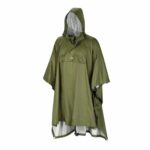
  • [ ] Waterproof rain jacket + poncho
  • [ ] Woolen cap, sun cap, balaclava
  • [ ] Warm gloves (waterproof in winter)
  • [ ] Woolen socks (3–4 pairs) + cotton socks

Footwear & Accessories

  • [ ] Trekking shoes with ankle support & strong grip (mandatory)
  • [ ] Lightweight sandals for camp
  • [ ] Sunglasses (UV protection)
  • [ ] Sunscreen SPF 50+, lip balm, moisturizer
  • [ ] Headlamp with extra batteries
  • [ ] Water bottle (1L minimum) + ORS sachets

Trekking Gear

  • [ ] Backpack (40–50L) with rain cover
  • [ ] Daypack (20L) for summit day
  • [ ] Trekking poles (optional but helpful for descent)
  • [ ] Microspikes / crampons (for Dec–Feb snow treks)

Documents & Personal Items

  • [ ] Original ID proof + 2 photocopies
  • [ ] Personal medical kit (Diamox, painkillers, band-aids, antiseptic)
  • [ ] Power bank (cold drains batteries fast)
  • [ ] Cash (network is patchy; Jio & BSNL work best)

Safety Tips, Acclimatization & Responsible Trekking

Altitude Safety

  • The summit is at 13,123 ft. Spend a night at Chopta (8,790 ft) before attempting the summit.
  • Walk slowly, stay hydrated, and take short breaks.
  • Avoid alcohol and smoking 48 hours before the trek.
  • Inform your trek leader immediately if you experience headache, dizziness, or nausea.

Trail Safety

  • Start early (by 5:00 AM) to reach Chandrashila for sunrise and avoid afternoon weather changes.
  • The Tungnath to Chandrashila section is steep and can be slippery in snow — use trekking poles.
  • Mobile network is patchy; inform family before starting.

Temple Etiquette

  • Dress modestly at Tungnath Temple.
  • Remove shoes before entering the inner sanctum.
  • Do not carry meat, alcohol, or leather products near temple premises.

Leave No Trace

  • Carry all plastic waste back.
  • Use reusable water bottles.
  • Do not feed wild animals or play loud music.
  • Stay on designated trails to protect fragile meadows.

Frequently Asked Questions

Is this trek suitable for beginners?

Yes. Graded Easy to Moderate, it is one of the best beginner treks in the Himalayas. The well-paved trail, gradual ascent, and short daily distances make it ideal for first-timers, families, and even senior citizens with basic fitness.

Can I do this trek in winter?

Absolutely. Winter (December–February) transforms the trail into a magical snow trek. The Tungnath Temple is closed, but the trek route remains open till the temple premises and Chandrashila. Proper winter gear (thermals, down jacket, microspikes) is essential.

What is the total trekking distance?

  • Chopta → Tungnath → Chandrashila → Chopta: ~10–13 km round trip
  • Sari → Deoria Tal: 2.5 km one way
  • Deoria Tal → Chopta (via Rohini Bugyal): ~14 km
  • Total circuit: ~30–33 km over 5 days

Is a guide necessary?

For the Chopta–Tungnath–Chandrashila section, experienced trekkers can manage independently. However, for the Deoria Tal to Chopta route via Rohini Bugyal, a local guide is strongly recommended. For safety, permits, and logistics, a guided package is always advisable.

What peaks are visible from Chandrashila Summit?

On a clear day: Chaukhamba, Nanda Devi, Trishul, Kedar Dome, Neelkanth, Bandarpoonch, Nanda Ghunti, and over 20 other Garhwal Himalayan peaks.

How do I reach Chopta from Delhi?

The easiest way is to take an overnight train/bus to Rishikesh/Haridwar, then a 7–8 hour road journey to Chopta. Alternatively, book our Chopta Tungnath Trek from Delhi package with transport included.

What is the best time to visit?

March–June and September–November for pleasant weather and clear views. December–February for snow trekking. Late March to mid-April for rhododendron blooms.

Why Book Your 2026 Trek with Dream Go Himalayas?

The Chopta Tungnath Chandrashila Deoria Tal Trek is more than a trail—it is a journey through ancient mythology, pristine forests, and some of the finest summit views in Uttarakhand. At Dream Go Himalayas, we are not a generic travel agency; we are mountain people who live and breathe the Himalayas.

What Sets Us Apart:

  • 🏔️ Local Himalayan Experts — We know these trails like the back of our hand
  • 💰 Transparent Pricing — No hidden costs. What you see is what you pay
  • 👥 Small Batch Sizes — Max 12–15 trekkers for personalized attention
  • 🎓 Certified Guides — Our trek leaders are trained by NIM, IMF, and Hanifle Center
  • 🏕️ Quality Gear — High-grade tents, -10°C rated sleeping bags, and safety equipment
  • 🌿 Sustainable Trekking — We follow Leave No Trace principles and support local communities
  • 📞 24/7 Support — From booking to summit to return, we are with you at every step

Ready to Trek? Book Your 2026 Adventure Now!

Call/WhatsApp: 07830680393 | Email: info@dreamgohimalayas.in
Let Dream Go Himalayas craft your perfect Himalayan adventure in 2026. The mountains are calling!

Leave a Reply

Kedarkantha Trek Difficulty Level for Beginners: The Honest 2026 Guide

“Is Kedarkantha trek difficult for beginners?”
If you’re typing this into Google right now, you’re in the right place. Every winter, thousands of first-time trekkers stand at the base of Kedarkantha wondering the exact same thing. The good news? Kedarkantha is widely recognized as one of India’s most beginner-friendly Himalayan treks — but that doesn’t mean you can show up unprepared.
In this detailed guide, we break down the real difficulty level of Kedarkantha for beginners, what each day actually feels like, how to prepare your body, and what challenges to expect — so you can summit at 12,500 ft with confidence, not confusion.

Kedarkantha Trek at a Glance (Beginner's Snapshot)

DetailInformation
Maximum Altitude12,500 ft (3,810 m)
Total Trek Distance~19–20 km (round trip)
Duration5 Days / 4 Nights
Difficulty LevelEasy to Moderate
Base VillageSankri, Uttarkashi
RegionGovind Wildlife Sanctuary, Uttarakhand
Best Season for BeginnersDecember – March (Winter Snow)
Daily Walking Distance3–6 km per day
Prior Experience Needed?No

Why Kedarkantha is the Perfect First Himalayan Trek

There is a reason Kedarkantha is called the “Queen of Winter Treks.” Unlike many high-altitude treks that demand technical skills or prior experience, Kedarkantha offers something rare — a genuine summit experience that is accessible to ordinary people with basic fitness.

1. Short, Manageable Daily Distances

No day requires you to walk more than 4–6 km. For beginners, this means you never feel physically overwhelmed by distance. You get time to rest, acclimatize, and actually enjoy the scenery.

2. Gradual Altitude Gain

The trek follows a smart acclimatization schedule. You climb from 6,400 ft (Sankri)9,100 ft (Juda Ka Talab)11,250 ft (Base Camp)12,500 ft (Summit). This step-by-step altitude gain minimizes the risk of Acute Mountain Sickness (AMS) — the biggest fear of every first-timer.

3. Non-Technical Trail

There are no dangerous cliff edges, no rope sections, and no ice-axe requirements. The trail is well-defined, wide in most places, and safe for those who have never stepped on snow before.

4. A Real Summit Reward

Very few beginner treks offer a true summit climax. Standing at 12,500 ft watching the sunrise paint Swargarohini, Bandarpoonch, and Black Peak in golden light is an emotional moment that hooks first-timers on trekking for life.
Ready to experience your first Himalayan summit? Check out our complete Kedarkantha Trek Package starting at just ₹7,999 per person.

Day-by-Day Difficulty Breakdown for Beginners

Understanding what each day demands removes 80% of the anxiety. Here is the honest truth about every day on the trail:

Day 1: Dehradun to Sankri (Drive) — Very Easy

  • Distance: ~190 km | Time: 8–10 hours
  • Activity: Scenic mountain drive via Mussoorie, Purola & Mori
  • Difficulty: Zero physical exertion. The only challenge is road fatigue. Use this day to hydrate, stretch, and mentally prepare.
Beginner Tip: Carry motion-sickness tablets if winding mountain roads bother you.

Day 2: Sankri to Juda Ka Talab (4 km Trek) — Easy

  • Altitude Gain: 6,400 ft → 9,100 ft
  • Duration: 3–4 hours
  • Terrain: Dense pine, oak, and maple forests; gentle uphill trail
This is your warm-up day. The path is shaded, well-marked, and the ascent is gradual. Most beginners complete this comfortably without feeling breathless. The Juda Ka Talab campsite — surrounded by forests — is one of the most peaceful places you will ever sleep.

Day 3: Juda Ka Talab to Kedarkantha Base Camp (4 km Trek) — Easy to Moderate

  • Altitude Gain: 9,100 ft → 11,250 ft
  • Duration: 3–4 hours
  • Terrain: Forest trails opening into snowy meadows
You will start feeling the altitude here. The air is thinner, and in winter, snow begins to accumulate. You may huff and puff slightly — this is completely normal. The views of surrounding peaks from Base Camp make every step worth it.

Day 4: Summit Day (Base Camp → Summit → Juda Ka Talab) — Moderate

  • Altitude Gain: 11,250 ft → 12,500 ft → 9,100 ft
  • Duration: 6–7 hours total
  • Terrain: Steep snow slope, ridgeline walk, possible hard ice (verglas)
This is the toughest day — and the most rewarding. The pre-dawn start (around 2:00–3:00 AM), sub-zero temperatures, and steep final ascent test your endurance. The summit slope can reach 40°–60° incline in sections. But with trekking poles, microspikes, and a supportive team, it is absolutely doable.
Beginner Tip: Move slowly. The summit is not going anywhere. Trust your guide and take micro-breaks.

Day 5: Juda Ka Talab to Sankri to Dehradun — Easy

  • Distance: 4 km trek + 190 km drive
  • Terrain: Descending trail
Downhill is easier on the lungs but harder on the knees. Use trekking poles and walk in a zig-zag pattern on steep sections to reduce joint strain.

The Real Challenges Beginners Face (No Sugarcoating)

Calling Kedarkantha “easy” would be misleading. Here are the four real challenges that make it “Easy to Moderate” rather than just “Easy”:

1. The Summit Push Steepness

The final 1.5 km to the summit is a continuous steep climb on snow. In peak winter, this section feels like climbing a snowy staircase for over an hour. Your thighs will burn. Your lungs will demand more air. But this is where mental grit beats physical fatigue.

2. Sub-Zero Temperatures

At Base Camp and the summit, winter temperatures drop to -5°C to -15°C. Wind chill can make it feel even colder. Beginners often underestimate how draining extreme cold is on energy levels.

3. Altitude Breathlessness

At 12,500 ft, oxygen levels are roughly 60% of sea level. Even fit beginners may experience:
  • Faster breathing
  • Mild headache
  • Slight nausea
  • General fatigue
These are normal signs of your body adjusting — not reasons to panic.

4. Winter Terrain (Verglas & Deep Snow)

From December to March, trekkers encounter verglas — extremely hard, slippery ice. Without microspikes, this is risky. Deep snow also increases calorie burn by 30–40%, making you tire faster.
Worried about winter conditions? Our Kedarkantha Winter Trek Package includes certified guides, microspikes, gaiters, and safety gear — so you can focus on the experience, not the logistics.

The Real Challenges Beginners Face (No Sugarcoating)

Calling Kedarkantha “easy” would be misleading. Here are the four real challenges that make it “Easy to Moderate” rather than just “Easy”:

1. The Summit Push Steepness

The final 1.5 km to the summit is a continuous steep climb on snow. In peak winter, this section feels like climbing a snowy staircase for over an hour. Your thighs will burn. Your lungs will demand more air. But this is where mental grit beats physical fatigue.

2. Sub-Zero Temperatures

At Base Camp and the summit, winter temperatures drop to -5°C to -15°C. Wind chill can make it feel even colder. Beginners often underestimate how draining extreme cold is on energy levels.

3. Altitude Breathlessness

At 12,500 ft, oxygen levels are roughly 60% of sea level. Even fit beginners may experience:
  • Faster breathing
  • Mild headache
  • Slight nausea
  • General fatigue
These are normal signs of your body adjusting — not reasons to panic.

4. Winter Terrain (Verglas & Deep Snow)

From December to March, trekkers encounter verglas — extremely hard, slippery ice. Without microspikes, this is risky. Deep snow also increases calorie burn by 30–40%, making you tire faster.
Worried about winter conditions? Our Kedarkantha Winter Trek Package includes certified guides, microspikes, gaiters, and safety gear — so you can focus on the experience, not the logistics.

Fitness Requirements: Can You Really Do This?

Yes  if you can do the following comfortably:
  • Walk briskly for 45–60 minutes without stopping
  • Climb 3–4 flights of stairs without gasping
  • Jog or cycle for 20–30 minutes continuously
  • Carry a 6–8 kg backpack for 2+ hours


Recommended 4-Week Training Plan for Beginners:

WeekCardioStrengthPractice Trek
Week 1–230 min brisk walk/jog (5 days/week)Squats, lunges, planks (3 days/week)5 km walk with 5 kg backpack
Week 3–445 min jogging + stair climbing (5 days/week)Calf raises, core holds (3 days/week)8 km walk with 8 kg backpack
Week 5–660 min mixed cardioFull-body bodyweight circuit (3 days/week)10 km hilly terrain with 8–10 kg backpack
Pro Tip: Start training at least 4 weeks before your trek. At Dream Go Himalayas, we recommend that if you can comfortably jog 5 km in under 40 minutes, you are well-prepared for Kedarkantha.

Kedarkantha Difficulty: Winter vs. Other Seasons

The difficulty changes significantly depending on when you go:

SeasonDifficulty for BeginnersWhy?
Winter (Dec–Mar)ModerateHeavy snow, sub-zero temps, verglas, stunning views. Most rewarding but physically demanding.
Spring (Apr–May)EasyPleasant weather, blooming rhododendrons, minimal snow. Great for nervous first-timers.
Monsoon (Jul–Aug)Moderate to DifficultSlippery trails, leeches, landslide risk. Not recommended for beginners.
Autumn (Sep–Nov)EasyClear skies, dry trails, comfortable temps. Excellent for beginners who want views without snow.
Still confused about when to book? Read our detailed guide on the Best Time to Visit Kedarkantha for Snow to pick the perfect month for your fitness level.

Essential Gear That Makes Kedarkantha Easier for Beginners

The right gear reduces perceived difficulty by 50%. Here is what Dream Go Himalayas recommends:

Footwear & Traction

  • Waterproof, high-ankle trekking shoes with aggressive grip (mandatory)
  • Microspikes for winter summit day (provided by us)
  • 3–4 pairs of woolen socks

Clothing (Layering is Everything)

  • Base layer: Thermal inners (upper + lower)
  • Mid layer: Fleece jacket + fleece-lined trek pants
  • Outer layer: Down/padded jacket + waterproof windcheater
  • Extremities: Waterproof gloves, woolen cap, balaclava, neck gaiter

Trekking Aids

  • Trekking poles: Essential for knee protection
  • Headlamp: For the pre-dawn summit push
  • Sunglasses: UV protection against snow glare
  • Day pack (20–30L): For summit day essentials

Health & Safety

  • Water bottle: 2 liters minimum
  • Sunscreen (SPF 50+): Snow reflects 80% of UV rays
  • Lip balm & moisturizer: Cold air causes severe chapping
  • Personal first-aid: Blister pads, pain relievers, ORS


Altitude Sickness (AMS): What Every Beginner Must Know

At 12,500 ft, AMS is a real possibility — but it is preventable and manageable.

Mild AMS Symptoms (Common):

  • Headache
  • Loss of appetite
  • Mild nausea
  • Fatigue

Severe AMS Symptoms (Requires Immediate Descent):

  • Persistent vomiting
  • Severe headache unrelieved by medication
  • Shortness of breath at rest
  • Confusion

Prevention Tips:

  1. Hydrate aggressively: Drink 3–4 liters of water daily
  2. Walk slowly: “Slow and steady” is a survival strategy at altitude
  3. Avoid alcohol & smoking: Both worsen AMS risk
  4. Eat carbs: Your body burns more calories at altitude
  5. Sleep well: Rest is when your body acclimatizes
At Dream Go Himalayas, our trek leaders conduct twice-daily health checks and carry oxygen cylinders, stretchers, and comprehensive medical kits at all campsites.

10 Pro Tips for First-Time Kedarkantha Trekkers

  1. Break in your shoes 3 weeks before. Blisters on Day 2 can ruin your trek.
  2. Don’t wear thermals while walking. Your body heats up quickly. Save them for camp.
  3. Eat breakfast even at 2:00 AM on summit day. You will need the energy.
  4. Keep spare batteries warm. Cold drains battery life. Store them in your sleeping bag.
  5. Trek in a rhythm. Count your steps (30 walk, 10 rest). It helps mentally.
  6. Carry energy snacks. Chocolate, nuts, and energy bars prevent crashes on summit day.
  7. Protect your extremities. Fingers, toes, and ears are the first to feel frostbite.
  8. Use the “rest step” technique. Lock your knee briefly with each step for micro-rests.
  9. Trust your guide. If they say turn back due to weather, listen. The mountain will always be there.
  10. Enjoy the journey. Juda Ka Talab, the forests, and the campsites are equally magical.

Frequently Asked Questions (FAQs)

Is Kedarkantha Trek safe for absolute beginners?

Yes. With basic fitness, proper gear, and experienced guides, Kedarkantha is one of the safest high-altitude treks for first-timers. The trail is well-marked and non-technical.

Can I do Kedarkantha Trek without prior trekking experience?

Absolutely. Over 70% of Kedarkantha trekkers are first-timers. The “Easy to Moderate” rating exists because beginners can complete it successfully with minimal preparation.

What happens if I can’t reach the summit?

There is no shame in turning back. Summit success is not the only measure of a successful trek. Many beginners reach Base Camp and decide not to push further — and they still have an incredible experience. Your safety always comes first.

How cold does it get for beginners in winter?

At Base Camp, nighttime temperatures range from -5°C to -10°C. At the summit during early morning, it can feel like -10°C to -15°C with wind chill. Proper layering makes this completely manageable.

Is Kedarkantha harder than Triund or Kheerganga?

Slightly yes. Kedarkantha reaches 12,500 ft (vs. ~9,500 ft for Triund/Kheerganga) and includes a steeper summit push. However, the daily walking distances are shorter, making the overall effort comparable for prepared beginners.

What is the Kedarkantha Trek package price?

At Dream Go Himalayas, our Kedarkantha Trek package starts from ₹7,999 per person + 5% GST (original price ₹9,999). This includes accommodation, meals, guides, permits, safety equipment, and transport from Dehradun.

Final Verdict: Should Beginners Attempt Kedarkantha?

If you can walk for an hour without stopping and are willing to prepare for 3–4 weeks — yes, Kedarkantha is perfect for you.
It is not a walk in the park. The summit day will challenge you. The cold will test your resolve. But that is precisely what makes the sunrise from 12,500 ft so unforgettable. Kedarkantha is called the “Queen of Winter Treks” not because it is effortless, but because it offers a genuine Himalayan summit experience to ordinary people with extraordinary determination.
Thousands of beginners before you have stood on that summit. With the right preparation, mindset, and guidance, you will too.

Ready to Conquer Your First Himalayan Summit?

At Dream Go Himalayas, we specialize in making Himalayan dreams come true for first-time trekkers. Our Kedarkantha packages include:
✅ Certified trek leaders with mountaineering qualifications
✅ Medical kits, oxygen cylinders & stretchers at all campsites
✅ Nutritious vegetarian meals + evening snacks
✅ All safety gear including microspikes and gaiters
✅ Dehradun-to-Dehradun transport
✅ Trek completion certificate
✅ Quality alpine tents & sleeping bags

Leave a Reply

Why Kedarkantha is India's Favorite Winter Trek

If you’re dreaming of trekking through snow-covered pine forests, camping beside frozen alpine lakes, and witnessing breathtaking Himalayan sunrises, the Kedarkantha Trek is one of India’s finest winter adventures.
Located in the Uttarkashi district of Uttarakhand at an altitude of approximately 12,500 ft (3,810 m), Kedarkantha transforms into a magical snow paradise every winter. Thousands of trekkers visit every year to experience fresh snowfall, white pine forests, and panoramic Himalayan views.
But the one question every trekker asks is:
“When is the best time to visit Kedarkantha for snow?”
In this complete guide, we’ll explain the best months, weather conditions, snowfall chances, temperatures, trekking difficulty, and expert tips so you can plan the perfect winter trek.
👉 Ready to book? Check out our Kedarkantha Trek Package 2026-27 at Dream Go Himalayas!

Quick Overview: Kedarkantha Trek Facts

Table
 
 
DetailInformation
Maximum Altitude12,500 ft (3,810 m)
Trek Distance19–23 km
Duration5 Days / 4 Nights
Difficulty LevelEasy to Moderate
Base VillageSankri, Uttarkashi
Best Season for SnowDecember to March
RegionGovind Wildlife Sanctuary, Uttarakhand

Best Time to Visit Kedarkantha for Snow: Month-wise Breakdown

🌨️ December — The Snow Season Begins

Snowfall Chances: ⭐⭐⭐⭐☆ (High)
Day Temperature: 2°C to 8°C
Night Temperature: -5°C to -10°C
December marks the official beginning of the snow season on the Kedarkantha Trek. By mid-December, the trail from Sankri to Juda Ka Talab starts getting covered in fresh snow. The pine forests turn into a winter wonderland, and the chances of experiencing live snowfall are excellent.
Why December?
  • Fresh snowfall begins — perfect for snow lovers
  • Trails are less crowded compared to peak January
  • Juda Ka Talab starts freezing
  • Christmas and New Year batches add festive vibes
Things to Keep in Mind:
  • Carry proper thermal layers and waterproof gloves
  • Early December may have patchy snow; mid-to-late December is ideal

🌨️ January — Peak Winter & Maximum Snow

Snowfall Chances: ⭐⭐⭐⭐⭐ (Excellent)
Day Temperature: 0°C to 5°C
Night Temperature: -10°C to -15°C
January is considered the best month for snow on the Kedarkantha Trek. The entire trail is blanketed in thick snow, and the summit offers the most spectacular winter views. This is when Kedarkantha truly earns its title as the “Queen of Winter Treks.”
Why January?
  • Maximum snow accumulation on trails
  • Frozen Juda Ka Talab — a magical sight
  • Best photography opportunities
  • Summit sunrise views are at their finest
Things to Keep in Mind:
  • Nights are extremely cold — carry heavy down jackets
  • Trekking poles and microspikes are highly recommended
  • Book early as this is the peak season
👉 Experience peak winter magic with our Kedarkantha Winter Trek 2026-27 package!

🌨️ February — Deep Snow & Clear Skies

Snowfall Chances: ⭐⭐⭐⭐⭐ (Excellent)
Day Temperature: 0°C to 6°C
Night Temperature: -8°C to -12°C
February continues the deep winter experience with plenty of snow on the ground. While fresh snowfall may be slightly less frequent than January, the accumulated snow makes every step feel like walking through a fairy tale.
Why February?
  • Deep snow cover throughout the trail
  • Clearer skies compared to January
  • Less crowded than January — better for peaceful trekking
  • Perfect for photography and snow activities
Things to Keep in Mind:
  • Snow can be deep in sections — good trekking shoes essential
  • Start early on summit day to avoid strong winds

🌸 March — End of Snow Season, Beginning of Spring

Snowfall Chances: ⭐⭐⭐☆☆ (Moderate)
Day Temperature: 5°C to 12°C
Night Temperature: -2°C to 5°C
March is a transition month. The lower trails start losing snow, but the upper reaches near the summit still retain a good snow cover. This is ideal for trekkers who want a mix of snow and pleasant weather.
Why March?
  • Snow still present at higher altitudes
  • Pleasant daytime temperatures
  • Rhododendron flowers begin blooming
  • Less crowded, better availability
Things to Keep in Mind:
  • Carry layers — days are warmer, nights still cold
  • Snow quality may be icy in patches

🍂 November — Pre-Winter Snow (Occasional)

Snowfall Chances: ⭐⭐☆☆☆ (Low to Moderate)
Day Temperature: 5°C to 12°C
Night Temperature: -2°C to 2°C
Late November can sometimes see early snowfall, especially at higher campsites. While not guaranteed, trekkers in late November have experienced magical first snow moments.
Why November?
  • Crisp autumn weather with clear mountain views
  • Occasional early snowfall at summit
  • Dry trails — easier trekking
  • Beautiful autumn colors in forests

Kedarkantha Trek Temperature & Weather Comparison

🍂 November

Day Temp5°C to 12°C
Night Temp-2°C to 2°C
Snow CoverPatchy / Low
CrowdLow
Recommended⭐⭐⭐ Good for clear views

❄ December

Day Temp2°C to 8°C
Night Temp-5°C to -10°C
Snow CoverModerate to High
CrowdMedium
Recommended⭐⭐⭐⭐ Excellent for snow

🏔 January

Day Temp0°C to 5°C
Night Temp-10°C to -15°C
Snow CoverMaximum
CrowdHigh
Recommended⭐⭐⭐⭐⭐ Best for snow

☃ February

Day Temp0°C to 6°C
Night Temp-8°C to -12°C
Snow CoverDeep Snow
CrowdMedium
Recommended⭐⭐⭐⭐⭐ Best for snow

🌸 March

Day Temp5°C to 12°C
Night Temp-2°C to 5°C
Snow CoverModerate
CrowdLow
Recommended⭐⭐⭐⭐ Good mix of snow & spring

🌿 April

Day Temp8°C to 15°C
Night Temp0°C to 5°C
Snow CoverPatchy
CrowdLow
Recommended⭐⭐⭐ Spring trekking

What Makes Kedarkantha the Best Winter Snow Trek?

1. Beginner-Friendly Summit Climb

Unlike many Himalayan treks, Kedarkantha offers a real summit experience without technical climbing skills. Even first-time trekkers can reach the 12,500 ft summit.

2. 360° Panoramic Summit Views

From the top, witness majestic peaks including:
  • Swargarohini Range
  • Bandarpoonch Peak
  • Black Peak (Kalanag)
  • Ranglana Peak

3. Magical Snow-Covered Forests

The trail passes through dense pine, oak, and maple forests that turn into a white paradise during winter.

4. Frozen Juda Ka Talab

The high-altitude lake freezes completely in peak winter, creating one of the most Instagram-worthy campsites in the Himalayas.

5. Spectacular Summit Sunrise

The pre-dawn summit push rewards you with a golden sunrise illuminating the snow-clad Himalayan peaks.

Essential Packing List for Kedarkantha Winter Trek

CategoryItems
ClothingThermal innerwear, fleece jacket, down jacket, waterproof windcheater, trekking pants (2 pairs), woolen cap, waterproof gloves, warm socks (4-5 pairs)
FootwearHigh-ankle trekking shoes with good grip, camp slippers
AccessoriesUV sunglasses, sunscreen SPF 50+, headlamp with extra batteries, water bottle (2L), trekking pole, lip balm, power bank
Safety GearPersonal medicines, first aid kit, government ID proof
ExtrasWaterproof backpack cover, rain cover for bags

Recommended 5-Day Kedarkantha Trek Itinerary

DayRouteDistanceAltitude
Day 1Dehradun → Sankri (Drive)190 km6,400 ft
Day 2Sankri → Juda Ka Talab4 km9,100 ft
Day 3Juda Ka Talab → Kedarkantha Base4 km11,250 ft
Day 4Base → Summit → Juda Ka Talab6 km12,500 ft
Day 5Juda Ka Talab → Sankri → Dehradun4 km + Drive


👉 Book your complete package: Kedarkantha Trek 2026-27

Expert Tips for Kedarkantha Snow Trek

  1. Start fitness preparation 4 weeks before — walk/jog 4-5 km daily
  2. Layer your clothing — it’s easier to adjust to changing temperatures
  3. Stay hydrated — drink water even if you don’t feel thirsty
  4. Start summit push early — around 2:00 AM to catch the sunrise
  5. Carry microspikes — essential for icy summit sections
  6. Book with a reliable operator — safety equipment and experienced guides matter


👉 Book your complete package: Kedarkantha Trek 2026-27

How to Reach Kedarkantha Trek Base (Sankri)

ModeDetails
By AirNearest airport: Jolly Grant Airport, Dehradun (~25 km from city)
By TrainDehradun Railway Station — well connected to Delhi, Mumbai, Lucknow
By RoadDehradun → Mussoorie → Purola → Mori → Sankri (190 km, 8-10 hours)
Pro Tip: Arrive in Dehradun one day before the trek to avoid travel delays.

👉 Book your complete package: Kedarkantha Trek 2026-27

Frequently Asked Questions (FAQs)

Q1. Which month is best for Kedarkantha Trek for snow?

A: January and February are the best months for maximum snow cover on the Kedarkantha Trek. December is also excellent for fresh snowfall.

Q2. Is Kedarkantha Trek safe for beginners in winter?

A: Yes! Kedarkantha is considered one of the best beginner-friendly winter treks in India. No technical skills are required, but basic fitness is recommended.

What is the temperature during Kedarkantha Winter Trek?

A: Day temperatures range from 0°C to 8°C, while nights can drop to -5°C to -15°C at higher campsites.

Q4. Can I see snowfall during Kedarkantha Trek?

A: Yes! The chances of witnessing live snowfall are highest in December and January.

Q5. How much does Kedarkantha Trek cost?

A: The Kedarkantha Trek package typically ranges from ₹7,999 to ₹9,999 per person (excluding GST). Check our latest pricing at Dream Go Himalayas.

Conclusion: Plan Your Perfect Kedarkantha Snow Adventure

The Kedarkantha Trek is truly the “Queen of Winter Treks” in India. Whether you choose December for fresh snowfall, January for maximum snow, or February for deep snow with clearer skies, you’re guaranteed an unforgettable Himalayan experience.
For the best snow experience, we recommend planning your trek between mid-December and mid-February.

Leave a Reply

Kedarnath Temperature 2026 | Monthly Weather Guide, Snowfall & Best Time to Visit Kedarnath

Kedarnath Temperature 2026 – Complete Weather Guide, Snowfall & Best Time to Visit

Kedarnath Temple View

Kedarnath is one of the most sacred pilgrimage destinations in India and an important part of the Char Dham Yatra in Uttarakhand. Located at an altitude of approximately 3,583 meters (11,755 feet) above sea level, Kedarnath experiences cold weather throughout the year. Every year thousands of devotees visit the holy Kedarnath Temple to seek blessings of Lord Shiva and experience the spiritual beauty of the Himalayas.

Before planning your journey, understanding the Kedarnath temperature, weather conditions, snowfall season, and best months to visit is extremely important. The weather in Kedarnath changes rapidly due to its high Himalayan altitude. Even during summer, mornings and nights remain cold, while winters bring heavy snowfall and sub-zero temperatures.

About Kedarnath Weather

Kedarnath has an alpine climate with cool summers, rainy monsoons, and extremely cold winters. Due to its location in the Garhwal Himalayas, weather conditions can change suddenly. Pilgrims should always carry warm clothing and prepare for cold temperatures regardless of the season.

  • Altitude: 3,583 meters
  • Summer Temperature: 8°C to 18°C
  • Monsoon Temperature: 6°C to 15°C
  • Winter Temperature: -15°C to 5°C
  • Best Time to Visit: May–June and September–October
  • Snowfall Season: November to March
Kedarnath Temple Front View

Kedarnath Temperature Month-Wise Guide

MonthTemperatureWeather Conditions
April0°C to 10°CCold weather with remaining snow
May4°C to 15°CPleasant weather and temple opening season
June8°C to 18°CBest weather for Kedarnath Yatra
July10°C to 16°CMonsoon begins with rainfall
August8°C to 15°CCloudy weather and heavy rains
September5°C to 14°CClear skies and excellent views
October0°C to 12°CCold mornings and nights
November-3°C to 8°CHeavy cold and snowfall begins

Kedarnath Temperature in Summer (May to June)

Kedarnath Valley Summer View

Summer is considered the best season to visit Kedarnath. During May and June, temperatures remain comfortable between 8°C and 18°C. Snow starts melting from trekking routes, making the pilgrimage easier and safer for visitors.

The weather remains pleasant during daytime, while mornings and evenings are cold. Pilgrims can enjoy clear mountain views, beautiful landscapes, and comfortable trekking conditions.

This is also the busiest period for Kedarnath Yatra as thousands of devotees arrive after the temple doors open for the season.

Kedarnath Temperature During Monsoon (July to August)

Kedarnath During Monsoon

The monsoon season starts in July and continues until August. Although temperatures remain moderate between 8°C and 16°C, heavy rainfall can create travel challenges.

Landslides, road blockages, slippery trekking routes, and reduced visibility are common during this period. Travelers planning a Kedarnath Yatra during monsoon should regularly monitor weather forecasts and road conditions.

However, the surrounding valleys become lush green and extremely beautiful after rainfall.

Kedarnath Temperature in September

September is one of the most recommended months for visiting Kedarnath. After the monsoon season ends, the weather becomes clear and pleasant.

Temperature remains between 5°C and 14°C, creating perfect conditions for trekking, sightseeing, and pilgrimage activities.

The surrounding Himalayan peaks become clearly visible, offering breathtaking photography opportunities.

Kedarnath Temperature in October

Kedarnath Autumn Season

October brings cold weather to Kedarnath. Temperatures range from 0°C to 12°C, and nights become significantly colder.

Despite the cold, October offers some of the most stunning mountain views of the year. Snow-covered Himalayan peaks, clear blue skies, and peaceful surroundings make this month ideal for spiritual seekers and photographers.

Kedarnath Winter Temperature (November to March)

Kedarnath Snowfall View

Winter in Kedarnath is extremely harsh. Temperatures frequently fall below freezing point and can reach as low as -15°C.

Heavy snowfall covers the temple and surrounding region. Due to extreme weather conditions, the Kedarnath Temple remains closed during winter months. The idol of Lord Kedarnath is shifted to Ukhimath, where winter worship is performed.

Roads and trekking routes remain inaccessible due to heavy snow accumulation.

Best Time to Visit Kedarnath

The best time to visit Kedarnath depends on your travel preferences.

May to June

  • Pleasant weather
  • Comfortable pilgrimage conditions
  • Clear trekking routes
  • Ideal for families and senior citizens

September to October

  • Clear mountain views
  • Less rainfall
  • Beautiful Himalayan scenery
  • Perfect for trekking and photography

How Weather Affects the Kedarnath Trek

Kedarnath Trek Route

The trek from Gaurikund to Kedarnath covers approximately 16 kilometers. Weather conditions directly impact trekking safety and comfort.

During summer, trekking remains comfortable and safe. During monsoon, slippery trails and landslides may create difficulties. Autumn offers some of the best trekking conditions due to clear skies and moderate temperatures.

Essential Packing List for Kedarnath Yatra

  • Heavy woolen jacket
  • Thermal innerwear
  • Waterproof trekking shoes
  • Raincoat or poncho
  • Gloves and woolen socks
  • Woolen cap and muffler
  • Sunglasses
  • Sunscreen lotion
  • Power bank
  • Personal medicines
  • Water bottle
  • Flashlight

Important Travel Tips for Kedarnath Yatra

  • Check weather forecasts before traveling.
  • Carry warm clothes regardless of season.
  • Book accommodation in advance.
  • Stay hydrated during the trek.
  • Carry necessary medicines and emergency supplies.
  • Begin trekking early in the morning.
  • Follow local administration guidelines.

Book Kedarnath Yatra with Dream Go Himalayas

Dream Go Himalayas offers professionally managed Kedarnath Yatra packages with transportation, accommodation, meals, travel assistance, and complete pilgrimage support.

Book Char Dham Yatra with Dream Go Himalayas

Char Dham Yatra Uttarakhand

Experience the divine journey of Yamunotri, Gangotri, Kedarnath, and Badrinath with Dream Go Himalayas. Our Char Dham Yatra packages are designed to provide a safe, comfortable, and memorable spiritual experience.

Why Choose Dream Go Himalayas?

  • Trusted Uttarakhand Travel Company
  • Experienced Local Team
  • Affordable Tour Packages
  • Safe and Secure Travel Arrangements
  • 24×7 Customer Support
  • Customized Yatra Packages
  • Professional Tour Management

Conclusion

Understanding the Kedarnath temperature before planning your pilgrimage is essential for a safe and comfortable journey. While summer and autumn are considered the best seasons to visit, travelers should always prepare for sudden weather changes in the Himalayas.

Whether you are planning a Kedarnath Yatra or a complete Char Dham pilgrimage, Dream Go Himalayas provides reliable travel services, comfortable accommodations, and expert support to make your spiritual journey memorable.

Book your Kedarnath Yatra today and experience the divine beauty of Lord Shiva's sacred Himalayan abode with Dream Go Himalayas.

Leave a Reply

Valley of Flowers Trek 2026 Opens on 1 June – Book Your Himalayan Adventure with Dream Go Himalayas

The wait is finally over for nature lovers, photographers, and trekking enthusiasts. The famous Valley of Flowers Trek in Uttarakhand is set to welcome visitors from 1 June 2026, marking the beginning of another spectacular season in one of India’s most beautiful Himalayan destinations.

Nestled in the heart of the Garhwal Himalayas, the Valley of Flowers transforms into a colorful paradise every monsoon, attracting thousands of trekkers from India and around the world. If witnessing endless meadows covered in vibrant alpine flowers, snow-capped peaks, crystal-clear streams, and breathtaking mountain landscapes is on your bucket list, then 2026 is the perfect year to visit.

At Dream Go Himalayas, we invite you to experience this UNESCO World Heritage Site with our professionally guided Valley of Flowers Trek Package 2026, designed for beginners, families, solo travelers, and nature enthusiasts.

What is Valley of Flowers?

The Valley of Flowers is a high-altitude Himalayan valley located in the Chamoli district of Uttarakhand at an elevation of approximately 12,000 feet above sea level.

Spread across nearly 87 square kilometers, the national park is home to over 600 species of flowering plants, rare medicinal herbs, and diverse wildlife. During the monsoon months, the valley blooms into a natural garden filled with colors ranging from pink, purple, yellow, blue, and white.

Recognized as a UNESCO World Heritage Site, the Valley of Flowers is considered one of the most beautiful trekking destinations in India.

What Makes Valley of Flowers So Special?

The Valley of Flowers is situated at an altitude of approximately 12,000 feet and spreads across nearly 87 square kilometers. Every year, the valley comes alive with over 600 species of flowering plants that paint the landscape in breathtaking shades of blue, pink, yellow, purple, and white.

The valley is home to several rare Himalayan flowers including:

  • Himalayan Blue Poppy
  • Cobra Lily
  • Primula
  • Potentilla
  • Anemones
  • Himalayan Bell Flower
  • Geranium

This unique biodiversity is one of the reasons why Valley of Flowers has earned worldwide recognition among trekkers, botanists, photographers, and nature enthusiasts.

Valley of Flowers Opening & Blooming Season 2026

The Valley of Flowers remains covered under heavy snow during winter and opens only for a limited period every year.

📅

Opening Date

1 June 2026

🚪

Closing Date

October 2026 (Tentative)

🌸

Peak Blooming Season

July – August

🥾

Best Trekking Months

July – September

🌿 Valley in Full Bloom

As the snow melts in June, fresh greenery begins to cover the valley. By July and August, millions of flowers bloom simultaneously, creating one of the most spectacular natural displays in the Himalayas.

June

Snow Melts & Fresh Greenery

July

Peak Flower Bloom Begins

August

Valley at Full Bloom

September

Best Trekking Experience

Best Time to Visit Valley of Flowers

Every month offers a unique experience in the Valley of Flowers, from fresh greenery and snow patches to peak blooming landscapes and crystal-clear mountain views.

June
  • Snow patches visible
  • Fresh green landscapes
  • Fewer tourists
  • Pleasant weather
July
  • Beginning of full bloom
  • Vibrant colors across the valley
  • Ideal for photography
  • Fresh mountain atmosphere
September
  • Clear mountain views
  • Less crowded trails
  • Excellent weather conditions
  • Peaceful trekking experience

Valley of Flowers Trek Route

The trek begins from Govindghat and passes through beautiful Himalayan landscapes.

Trek Route

Dehradun → Rishikesh → Joshimath → Govindghat → Pulna → Ghangaria → Valley of Flowers

Trek Distance

  • Govindghat to Ghangaria: 13 km
  • Ghangaria to Valley of Flowers: 4 km
  • Total Trek Distance: Approximately 38 km (Round Trip)

The trail is well-marked and suitable for beginners with average fitness levels.

Visit Hemkund Sahib Along with Valley of Flowers

One of the biggest attractions of this trek is the opportunity to visit Hemkund Sahib, one of the highest Gurudwaras in the world.

Located at an altitude of 15,200 feet, Hemkund Sahib is surrounded by seven snow-covered mountain peaks and a crystal-clear glacial lake.

Most trekkers combine Valley of Flowers and Hemkund Sahib into a single unforgettable Himalayan journey.

Valley of Flowers Trek Itinerary 2026

Experience the beauty of Valley of Flowers and Hemkund Sahib with this carefully planned 6 Days / 5 Nights itinerary.

Day 1
🚐

Dehradun to Joshimath

  • Drive via Devprayag
  • Pass through Rudraprayag
  • Visit Karnaprayag route
  • Overnight stay at Joshimath
Day 2
🥾

Joshimath to Ghangaria

  • Drive to Govindghat
  • Trek to Ghangaria
  • Beautiful mountain views
  • Overnight stay
Day 4
🙏

Hemkund Sahib Trek

  • Trek to Hemkund Sahib
  • Visit sacred Gurudwara
  • Explore glacial lake
  • Return to Ghangaria
Day 5
🏔️

Ghangaria to Joshimath

  • Trek back to Govindghat
  • Drive to Joshimath
  • Scenic mountain journey
  • Relax and unwind
Day 6
🏠

Joshimath to Dehradun

  • Return journey begins
  • Drive through Alaknanda Valley
  • Reach Dehradun
  • Trip concludes

Valley of Flowers Trek Package 2026 by Dream Go Himalayas

Starting From ₹10,499/- Per Person

Package Inclusions

✔ Accommodation during trek

✔ Nutritious meals

✔ Experienced trek leaders

✔ Local mountain guides

✔ Forest permits

✔ First aid support

✔ Trek coordination

✔ Safety equipment

Why Choose Dream Go Himalayas?

Dream Go Himalayas is a trusted trekking and travel company in Uttarakhand known for safe trekking adventures and professional Himalayan expedition management.

Our Special Features

  • Experienced Trek Leaders
  • Certified Local Himalayan Guides
  • Affordable Trek Packages
  • Comfortable Campsites
  • Hygienic Food During Trek
  • Safety First Approach
  • 24×7 Trek Support
  • Memorable Trekking Experience

We focus on providing safe, comfortable, and unforgettable Himalayan adventures.

Essential Packing List

Clothing

  • Trekking shoes
  • Waterproof jacket
  • Warm layers
  • Trek pants
  • Woolen cap

Accessories

  • Sunglasses
  • Sunscreen
  • Water bottle
  • Trekking pole
  • Rain cover

Personal Items

  • ID proof
  • Medicines
  • Power bank
  • Camera


Book Your Valley of Flowers Trek 2026 with Dream Go Himalayas

The Valley of Flowers is not just a trek; it is an unforgettable journey into one of the world’s most beautiful natural landscapes. With blooming meadows, Himalayan peaks, waterfalls, and peaceful surroundings, this trek offers a once-in-a-lifetime experience for nature lovers.

If you are planning to explore the magical Valley of Flowers in 2026, let Dream Go Himalayas be your trusted trekking partner.

Limited Seats Available for the 2026 Season

Starting Price: ₹10,499/- Per Person

Duration: 6 Days / 5 Nights

Pickup & Drop: Dehradun to Dehradun

Book Now and Experience the Beauty of the Valley of Flowers with Dream Go Himalayas.


Leave a Reply

Bali Pass Trek Package 2026 Starting ₹15,999/- | Book with Dream Go Himalayas

Are you planning an adventurous Himalayan expedition in 2026? The Bali Pass Trek is one of the most thrilling and challenging high-altitude treks in Uttarakhand, offering breathtaking glacier views, alpine meadows, remote Himalayan villages, snow-covered trails, and an unforgettable summit experience at 16,207 ft.

If you are searching for the latest Bali Pass Trek Cost 2026, detailed itinerary, package inclusions, difficulty level, fitness requirements, and booking information, this complete trekking guide by Dream Go Himalayas will help you plan your adventure perfectly.

The Bali Pass Trek connects the beautiful Har Ki Dun Valley with the sacred Yamunotri Valley, making it one of the best crossover treks in the Indian Himalayas. This trek is ideal for adventure lovers, experienced trekkers, photographers, and mountain enthusiasts looking for raw Himalayan beauty.

Why Bali Pass Trek is Famous?

The Bali Pass Trek is considered one of the most adventurous treks in Uttarakhand because it combines:

  • High-altitude mountain pass crossing
  • Glacier traverses
  • Snow trekking experience
  • Dense alpine forests
  • Ancient Himalayan villages
  • Sacred pilgrimage routes
  • Stunning Himalayan summit views

Trekkers witness panoramic views of famous Himalayan peaks such as:

  • Swargarohini Peak
  • Bandarpoonch Peak
  • Kala Nag Peak
  • Ruinsara Valley
  • Har Ki Dun Valley
  • Yamunotri Region

Unlike commercial trekking routes, Bali Pass offers a raw and less crowded Himalayan adventure.

Bali Pass Trek Overview

DetailsInformation
Trek NameBali Pass Trek
Trek LocationUttarkashi, Uttarakhand
Maximum Altitude16,207 ft
Trek Duration8 Days
Trek DistanceApprox 60 Km
Trek DifficultyDifficult
Best TimeMay–June & September–October
Starting PointSankri
Ending PointJanki Chatti
Snow AvailabilityHigh in Summer
Glacier CrossingYes
River ViewsYes
Camping ExperienceAlpine Campsites


Bali Pass Trek Cost 2026

Dream Go Himalayas offers professionally managed Bali Pass Trek packages with experienced trek leaders, camping support, meals, safety equipment, and local guides.

Bali Pass Trek Package Price 2026

Package TypePrice Per Person
Standard Trek Package₹17,999/-
Group Discount OfferStarting from ₹15,499/-
Student Group PackageSpecial Discount
Custom Private TrekOn Request

🌟 Package Benefits – Bali Pass Trek 2026

🏔️

Experienced Trek Leaders

Professional & certified mountain experts for safe trekking.

🧭

Certified Local Guides

Experienced Himalayan guides with complete local route knowledge.

🍲

Hygienic Vegetarian Meals

Fresh, healthy & energy-packed meals during the trek.

Premium Camping Experience

Comfortable alpine campsites with beautiful Himalayan views.

🩺

High Altitude Safety Support

Medical kit, first aid & complete trekking safety support.

👥

Group Discounts Available

Special offers for groups, students & corporate bookings.

🚖

Trekking Assistance from Dehradun

Transportation guidance & complete trip support available.

Book Now Starting @ ₹15,999/-

🏔️ Bali Pass Trek Itinerary 2026

📍 Day 1 – Dehradun to Sankri
🚗 Drive Distance: Approx 200 Km
⏰ Duration: 9–10 Hours
🏔️ Altitude: 6,400 ft

The journey begins from Dehradun and passes through Mussoorie, Purola, Mori, and Netwar before reaching Sankri village. Sankri is one of the most scenic trekking base camps in Uttarakhand surrounded by pine forests and mountain views.

✨ Highlights

  • Beautiful mountain roads
  • Tons River Valley views
  • Traditional Himalayan villages
  • Sunset views in Sankri
🥾 Day 2 – Sankri to Seema via Taluka
🥾 Trek Distance: Approx 12 Km
🏔️ Altitude: 8,200 ft

The trek officially starts from Taluka village. The route passes through dense forests, wooden bridges, riverside trails, and charming Himalayan settlements.

✨ Highlights

  • Supin River views
  • Wooden bridges
  • Local Himalayan culture
  • Forest trekking experience
🏕️ Day 3 – Seema to Ruinsara Tal
🥾 Trek Distance: Approx 14 Km
🏔️ Altitude: 11,500 ft

Ruinsara Tal is one of the most beautiful alpine lakes in Uttarakhand. The lake is surrounded by snow-capped mountains and lush green meadows.

✨ Highlights

  • Alpine meadows
  • Glacier-fed lake
  • Swargarohini mountain views
  • Excellent campsite
🌄 Day 4 – Acclimatization Day

This day is reserved for acclimatization to help trekkers adjust to the increasing altitude before crossing Bali Pass.

🧭 Activities

  • Short acclimatization hikes
  • Rest and recovery
  • Photography sessions
  • Mountain exploration
❄️ Day 5 – Ruinsara Tal to Bali Pass Base Camp
🥾 Trek Distance: Approx 5 Km
🏔️ Altitude: 14,000 ft

The route becomes steeper with snow patches, rocky terrain, and glacier sections.

✨ Highlights

  • Snow trekking
  • Glacier crossing
  • High-altitude camping
  • Stunning Himalayan views
🏔️ Day 6 – Bali Pass Summit to Lower Dhamni
🏔️ Highest Altitude: 16,207 ft
⚡ Difficulty: Long & Challenging

This is the most difficult and rewarding day of the trek. Trekkers cross the Bali Pass summit and witness panoramic Himalayan views.

🌟 Summit Views

  • Bandarpoonch Peak
  • Kala Nag Peak
  • Swargarohini Range
  • Yamunotri Valley

This section includes steep descents, snowfields, and glacier traverses.

🌲 Day 7 – Lower Dhamni to Janki Chatti

The trail gradually descends towards Janki Chatti through scenic valleys and mountain forests.

✨ Highlights

  • Yamunotri Valley
  • Waterfalls
  • Forest trails
  • Himalayan villages
🚘 Day 8 – Drive to Dehradun

The trek concludes with a scenic drive back to Dehradun carrying unforgettable mountain memories and adventure experiences.

Bali Pass Trek Package Inclusions

Dream Go Himalayas provides complete trekking support during the expedition.

Included in the Package

  • Accommodation during trek
  • Twin-sharing tents
  • All vegetarian meals during trek
  • Certified Trek Leader
  • Experienced local guides
  • Camping equipment
  • First aid & medical kit
  • Forest permits
  • Safety equipment
  • Kitchen & support staff

Exclusions

  • Personal expenses
  • Transportation from Dehradun
  • Travel insurance
  • Porter or mule charges
  • Emergency evacuation expenses
  • Personal trekking gear

Best Time for Bali Pass Trek

The best seasons for the Bali Pass Trek are summer and autumn.

Summer Season (May to June)

Why Trek in Summer?

  • Snow-covered trails
  • Glacier crossing experience
  • Pleasant daytime weather
  • Beautiful alpine meadows
  • Fresh mountain landscapes

Autumn Season (September to October)

Why Trek in Autumn?

  • Crystal-clear mountain views
  • Stable weather conditions
  • Golden alpine landscapes
  • Best photography opportunities

Bali Pass Trek Difficulty Level

The Bali Pass Trek is categorized as a difficult-level Himalayan trek.

Why is Bali Pass Trek Difficult?

  • High altitude above 16,000 ft
  • Long trekking distances
  • Steep ascents and descents
  • Snow and glacier crossings
  • Technical summit sections
  • Challenging weather conditions

Fitness Required for Bali Pass Trek

Trekkers should prepare physically before joining the trek.

Recommended Fitness Preparation

  • Cardio workouts
  • Running or jogging
  • Stair climbing
  • Leg strength exercises
  • Endurance training
  • Previous trekking experience

A good fitness level is strongly recommended for a safe and enjoyable trekking experience.

Things to Carry for Bali Pass Trek

Essential Trekking Gear Checklist

Clothing

  • Down jacket
  • Thermal wear
  • Trek pants
  • Waterproof jacket
  • Woollen cap
  • Gloves

Trekking Essentials

  • Trekking shoes
  • Trekking pole
  • Head torch
  • UV sunglasses
  • Water bottle
  • Backpack (50–60L)

Personal Items

  • Personal medicines
  • Sunscreen
  • Lip balm
  • Power bank
  • Toiletries

🚗 How to Reach Bali Pass Trek Base Camp?

✈️

By Air

Nearest Airport: Jolly Grant Airport, Dehradun

Regular flights are available from major Indian cities.
🚆

By Train

Nearest Railway Station: Dehradun Railway Station

Well connected with Delhi, Haridwar & other major cities.
🛣️

By Road

Regular buses and taxis are available from Dehradun to Sankri.

Shared cabs & private vehicles are easily available.

Why Choose Dream Go Himalayas?

Dream Go Himalayas is a trusted trekking and travel company in Uttarakhand known for safe trekking adventures and professional Himalayan expedition management.

Our Special Features

  • Experienced Trek Leaders
  • Certified Local Himalayan Guides
  • Affordable Trek Packages
  • Comfortable Campsites
  • Hygienic Food During Trek
  • Safety First Approach
  • 24×7 Trek Support
  • Memorable Trekking Experience

We focus on providing safe, comfortable, and unforgettable Himalayan adventures.

Bali Pass Trek Booking 2026

Planning your Himalayan adventure in 2026? Early booking is highly recommended because Bali Pass Trek batches have limited availability.

Book Your Trek Now

👉 Official Bali Pass Trek Booking Page – Dream Go Himalayas

Final Words

The Bali Pass Trek is one of the most thrilling high-altitude adventures in Uttarakhand. From glaciers, alpine lakes, snow-covered passes, and remote Himalayan valleys to breathtaking summit views, this trek offers a complete Himalayan adventure experience.

If you are looking for a professionally managed trekking expedition with safety, experienced guides, comfortable camping, and local expertise, then Dream Go Himalayas is the perfect trekking partner for your next Himalayan journey.

Start Your Himalayan Adventure Today

👉 Book Bali Pass Trek 2026 with Dream Go Himalayas

Leave a Reply