
Har Ki Dun Trek – Price, Inclusions & Booking 2026-27
Book Har Ki Dun Trek packages with Dream Go Himalayas. Trusted local guides, scenic Himalayan views, and well-planned trekking itineraries.
🏔️ Uttarakhand Treks
Sankri, Uttarkashi, Uttarakhand · Moderate Grade
📅
7 Days
Duration
⛰️
11,670 ft
Max Altitude
🥾
46 Kms
Trek Distance
🟡
Moderate
Difficulty
🌟 About This Trek
🏞️
Valley of Gods — Cradle-Shaped Meadow
Har Ki Dun is a beautiful cradle-shaped valley located in the Garhwal Himalayas. It lies beneath the majestic Swargarohini Peak—the very route believed to have been taken by the Pandavas on their journey to heaven. Ancient villages, dense forests, and breathtaking snow-capped peaks make this trek a truly unforgettable experience..
📍 Location & Logistics
🚉
Pickup Point
Dehradun Railway Station
🏁
Drop Point
Dehradun Railway Station
🏕️
Base Camp
Sankri Village
🗺️
Region
Uttarkashi, Uttarakhand
🚂
Nearest Railhead
Dehradun
🔄
Services From
Dehradun to Dehradun
⏰ Reporting & Drop Timings
🌅
Reporting Time
6:30 AM – 7:30 AM
🌙
Dropping Time
5:00 PM – 7:00 PM
🍽️ Stay & Food
🏠 Guest House & Camping
🥗 All Meals (Veg + Egg)
🗓️ Best Season
❄️
Summer, Autumn & Winter
April to June & September to December — Snow-covered trail in winter, lush green in summer
Safety Kit
We always carry medical kit with our team. In mountain you never know when will emergency situation occur. We have to always prepare for that
Exp. Leader
Experienced trek leader is very necessary for the safety & best hiking experience. A expert guide will provide you better trekking knowledge
Quality Equipment
We have best quality of trekking equipment like tents, gatores, spikes, tourch light , axe etc. They all provide you best comforts in the hiking
Hygenic Food
Balanced & nutrition full diet is very important while trekking. We provide complete balanced diet which will make you feel healthy in trekking
15,000
9000 (Sankri)
13,000(Dehradun)
Per Person + 5% GST
Share This Trek
Departure Date
For Fixed Departure Booking on any month and date, please call us on:- 07830680393
Short Itinerary
- Day 1 – Dehradun to Sankri
- Day 2 – Sankri to Gangarh Village to Osla (homestay/camsite)
- Day 3 – Osla to Kalkatiyadhar trek (8kms trek)
- Day 4 – Kalkatiyadhaar to Har-ki-dun trek & back
- Day 5 – Kalkatiyadhaar to Osla trek
- Day 6 – Osla to Sankri
- Day 7 – Sankri to Dehradun
Har Ki Dun Trek: Complete 2026 Guide to Itinerary, Cost, Best Time, Route & Difficulty
The Har Ki Dun Trek is a scenic Himalayan valley trek in Uttarakhand, known for its beautiful mountain landscapes, dense forests, traditional Himalayan villages, riverside trails and panoramic views of the surrounding peaks. Starting from Sankri, the trek takes you through the remote villages and forests of the Govind Pashu Vihar National Park before reaching the spectacular Har Ki Dun Valley.
If you are planning the Har Ki Dun Trek in 2026, this complete guide covers everything you need to know before your journey, including the Har Ki Dun Trek itinerary, cost, distance, altitude, difficulty level, best time to visit, route, weather, how to reach Sankri, fitness requirements, packing list and trek package inclusions.
The trek generally takes around 6–7 days, depending on the itinerary and travel plan. The trail combines forest sections, Himalayan villages, open valley landscapes and gradual altitude gain, making Har Ki Dun a popular choice for trekkers looking for a scenic Himalayan experience.
Why Is Har Ki Dun Trek Famous? Highlights, Valley Views, Villages & Himalayan Experience
The Har Ki Dun Trek is famous for its combination of scenic Himalayan landscapes, ancient mountain villages, forest trails and the beautiful Har Ki Dun Valley. Unlike a trek focused only on reaching a summit, the Har Ki Dun route offers a journey through the remote Himalayan landscape, where trekkers experience changing scenery throughout the trail.
One of the main attractions is the Har Ki Dun Valley, surrounded by impressive Himalayan peaks and alpine landscapes. The trail also passes through traditional villages such as Osla, giving trekkers an opportunity to experience the local culture and architecture of the region.
What Makes Har Ki Dun Trek Special?
- 🏔️ Scenic Har Ki Dun Valley: Enjoy wide Himalayan valley views surrounded by high mountain peaks.
- 🌲 Beautiful Forest Trails: Walk through dense forests with changing landscapes along the route.
- 🏡 Traditional Himalayan Villages: Experience the culture, lifestyle and architecture of remote mountain communities.
- 🏞️ Mountain & Valley Landscapes: The trail combines rivers, forests, meadows and open Himalayan views.
- ❄️ Seasonal Snow Experience: During suitable winter and early-season conditions, parts of the route can offer snow-covered landscapes.
- 📸 Photography Opportunities: The valley, villages, forests and mountain scenery provide diverse landscapes for photography.
- 🥾 Classic Himalayan Trekking Experience: The combination of gradual altitude gain, village trails and valley landscapes makes it a distinctive Uttarakhand trekking experience.
For many trekkers, the appeal of Har Ki Dun Trek is not just the destination but the entire journey from Sankri to Taluka, through forest trails and Himalayan villages, and finally into the Har Ki Dun Valley.
If you are comparing Himalayan treks for your next trip, Har Ki Dun can be considered for its valley scenery, village experience, Himalayan landscapes and multi-day trekking route rather than only for a summit climb.
Har Ki Dun Trek History: Ancient Valley, Local Culture & Mythology
The Har Ki Dun Valley has a long association with the traditional communities and cultural heritage of the Garhwal Himalayas. The trekking route passes through remote Himalayan villages, forests and valleys that have historically been connected with the local way of life in the Sankri and Supin Valley region.
One of the most culturally significant villages on the route is Osla, known for its traditional wooden architecture and distinctive Himalayan village lifestyle. The surrounding region provides an opportunity to understand how communities in the remote Garhwal Himalayas have traditionally lived in close connection with the mountains, forests and seasonal agricultural cycles.
Har Ki Dun and Local Mythology
Har Ki Dun is also associated with local Hindu mythology. According to a popular local tradition, the Pandavas are believed to have passed through this region during their journey towards the Himalayas. The valley’s name and surrounding landscape have therefore become connected with stories and beliefs associated with the Mahabharata.
These mythological associations are part of the region’s cultural traditions and should be understood as local beliefs and folklore rather than established historical evidence.
Osla Village and Himalayan Heritage
The village of Osla is an important cultural highlight of the Har Ki Dun Trek. Its traditional houses, local customs and remote mountain setting give trekkers a glimpse into the heritage of the Garhwal Himalayas.
The journey through Osla and other settlements is one reason the Har Ki Dun Trek is more than a simple mountain hike. The route combines natural landscapes with local culture, traditional villages and stories connected with the Himalayan region.
Why the History Matters on the Har Ki Dun Trek
Understanding the history, mythology and local culture of the Har Ki Dun region can make the trekking experience more meaningful. Instead of experiencing the trail only as a route from Sankri to Har Ki Dun, trekkers can also appreciate the villages, traditions and cultural landscape through which the trail passes.

Har Ki Dun Trek Itinerary (Day-wise)
Dehradun to Sankri
Begin your journey from Dehradun and drive towards Sankri, a beautiful Himalayan village in Uttarkashi district. The route passes through Mussoorie, forests, rivers, and charming mountain villages. Overnight stay in Sankri.
Day - 1
Sankri to Gangarh Village to Osla (homestay/camsite)
After breakfast, drive to Taluka and start the trek towards Seema or Osla village. The trail goes through dense pine forests, waterfalls, wooden bridges, and scenic riverside paths. Enjoy the peaceful beauty of the Himalayas during the trek.
Day - 2
Osla to Kalkatiyadhar trek (8kms trek)
Trek deeper into the valley surrounded by alpine meadows and snow-covered mountains. Reach the stunning Har Ki Dun campsite and witness breathtaking views of Swargarohini Peak. Spend the night amidst nature and enjoy the peaceful atmosphere of the valley.
Day - 3
Kalkatiyadhaar to Har-ki-dun trek & back
Wake up early to enjoy the sunrise over the Himalayan peaks. Begin descending back through the same scenic route to Sankri while enjoying the natural beauty and traditional Himalayan culture.
Day - 4
Kalkatiyadhaar to Osla trek
After breakfast, drive back to Dehradun with unforgettable memories of the Har Ki Dun Trek and its beautiful landscapes.
Day - 5
Osla to Sankri
Early breakfast followed by the start of our descent. Going back the way you came makes the journey simple now. We will descend 8kms to Dhatmeer village, then Gangarh village at river side and then to Sankri. Here you will board the vehicle for Sankri.
Day - 6
Sankri to Dehradun
Today is the last day of your Har Ki Dun Trekking journey. Say goodbye to mountains and new friends, take best memories to home. Board the vehicle after breakfast for journey towards Dehradun.
Day - 7
Short Itinerary
- Day 1 – Dehradun to Sankri
- Day 2 – Sankri to Gangarh Village to Osla (homestay/camsite)
- Day 3 – Osla to Kalkatiyadhar trek (8kms trek)
- Day 4 – Kalkatiyadhaar to Har-ki-dun trek & back
- Day 5 – Kalkatiyadhaar to Osla trek
- Day 6 – Osla to Sankri
- Day 7 – Sankri to Dehradun
Departure Date
For Fixed Departure Booking on any month and date, please call us on:- 07830680393
Offer on Treks

🥾 TREK GUIDE
Har Ki Dun Trek Distance & Difficulty
The Har Ki Dun Trek is a beautiful Himalayan valley trek in Uttarakhand, known for ancient villages, alpine meadows, dense forests and spectacular mountain views. Understanding the trek distance and difficulty can help you prepare better for this unforgettable adventure.
📏
Approx. Distance
~46 km Round Trip🏔️
Maximum Altitude
~11,800 ft Har Ki Dun Valley🥾
Difficulty
Easy to Moderate With preparation📅
Duration
6–7 Days Typical itinerary
📍 TREK DISTANCE
How Long Is the Har Ki Dun Trek?
The Har Ki Dun Trek distance is approximately 46 km round trip, although the exact distance can vary depending on the itinerary, campsite selection and route followed by the trekking operator.
The journey generally starts from Sankri and passes through beautiful Himalayan settlements and forests before reaching the scenic Har Ki Dun Valley. The trail includes gradual ascents, descents, forest paths, wooden bridges and open valley sections.
1
Sankri
Base Village
2
Taluka
Trek Route
3
Har Ki Dun
Valley & High Point
🏔️
HAR KI DUN VALLEY
Ancient Himalayan ValleyA spectacular valley surrounded by snow-covered peaks, alpine landscapes and traditional Himalayan villages.
⛰️
Har Ki Dun Trek Difficulty Level
Overall Difficulty
Easy to Moderate
The Har Ki Dun Trek difficulty is generally considered easy to moderate. It does not involve technical climbing, but trekkers should be prepared for long walking days, uneven terrain, altitude gain and changing Himalayan weather.
📈
Gradual Ascents
The route involves steady elevation gain rather than extremely steep technical climbs.
🌲
Forest Trails
Several sections pass through dense pine, oak and Himalayan forests with uneven natural trails.
🥾
Long Walking Days
Some trekking days can require several hours of continuous walking, making stamina important.
❄️
Weather Conditions
Snow, rain, cold temperatures and slippery sections can increase the challenge during certain seasons.
🎒
Is Har Ki Dun Trek Suitable for Beginners?
Yes. The Har Ki Dun Trek can be suitable for beginners with a reasonable level of fitness and proper preparation. You should be comfortable walking for several hours on consecutive trekking days. Regular walking, stair climbing and basic cardio training before the trek can make the journey more comfortable.
✓ Basic trekking fitness
✓ Comfortable with long walks
✓ Proper trekking shoes
✓ Good hydration & nutrition
💪
How to Prepare for Har Ki Dun Trek
🚶 Walking
Build your stamina with regular 4–6 km walks and gradually increase the distance.
🪜 Stair Training
Practice climbing stairs to strengthen your legs and improve endurance.
❤️ Cardio
Include brisk walking, jogging or cycling to improve cardiovascular fitness.
🎒 Backpack Practice
Train occasionally with a light backpack similar to what you will carry on the trek.
Har Ki Dun Trek Distance & Difficulty – Quick Summary
With an approximate 46 km round-trip distance and a maximum altitude of around 11,800 ft, the Har Ki Dun Trek offers an excellent balance of adventure and accessibility. Its easy to moderate difficulty makes it a popular choice for trekkers who want to explore the Himalayan wilderness without technical mountaineering.
Ready to Explore Har Ki Dun?
Plan your Himalayan adventure and explore the scenic Har Ki Dun Valley with a well-organized trekking experience.
Few
Important Details

- Pick and Drop Transfers from Dehradun to Dehradun
- During the trek, there will be places to stay (camping)
* Dom Tent - Triple Sharing (Allowed)
* Alphine Tent - Quad Sharing (Allowed)
* Single or Double Sharing tent extra cost. - At Camps, there is a fire (If Available)
- Meals : All 3 Meals + Snacks.
- For the Trek, there are fees for trekking permits and forest permits.
- Campsites.
- Trekking supplies (Tents, sleeping bags, ice axes, ropes, etc.)
- Expert trek leader (certified in basic/advanced mountaineering courses).
- A skilled trek crew (guides, chefs, assistants, porters/mules) is available.
- Protective gear (first aid, medical kit, oxygen cylinders, stretcher, etc.)
- Trek Certificate of Completion
- Mules Offloading Fees@500/day - Below or Upto 10 kg Bag Weight
- GST (five percent) (Service Tax)
- Food on the way to and from Pick and Drop
- Any and any personal costs
- Aside from the inclusions, anything else.
- Trek Insurance @1,000/person
At the time of booking, full payment / Rs.5,000 for Trek / Rs.10,000 for Road Trip / Mountain Expedition is required.
Payment for the remainder / rest of the trip must be made before the trip begins.
NEFT, RTGS, SWIFT, Bank Transfer, and Cash are all options for making a reservation.
All reservations will be subject to a 5% GST surcharge.
The booking deadline will be 07 days prior to the trip departure date.
Before making any online booking/reservation, double-check the dates and seat availability with our team through email or phone.
If the invoice amount exceeds 2 lacs and payment is made entirely or partially in cash (cash paid at the counter or placed in the bank), a 1% TCS will be applied and must be deposited separately from the total amount, along with a copy of the PAN card.
In the case of a flight reservation, full payment is needed according to the applicable airfare.
We must be notified through email at info@dreamgohimalayas.in if any trip/adventure activity services are cancelled owing to any avoidable/unavoidable causes.
Cancellation fees will apply as of the day we receive notification through mail, and they will be as follows:
-Within the first 30 days: 90% of the total cost of the Land Package is refundable.
-Between the ages of 21 and 30 days: 75 percent of the total cost of the land package is refundable.
-Between 50 and 60 days: 50% of the total cost of the land package is refundable.
-10 days or less: There will be no reimbursement.
After the cancellation date, the refund will be handled within 10 working days.
Cancellation fees will be determined based on the total trip cost, and they may vary depending on the date of departure and the date of cancellation.
There will be no refunds:
-for any missed/unused tour services, including meals, owing to any reason.
-If the tour's services are changed, altered, revised, cancelled, or not used.
-If a customer cancels or is forced to cancel the tour due to changes in the itinerary or travel
-If the consumer is dissatisfied with any of the operator's services
🌄 HAR KI DUN TRAVEL GUIDE
Best Time to Visit Har Ki Dun
Wondering about the Best Time to Visit Har Ki Dun? Har Ki Dun is a beautiful Himalayan valley in Uttarakhand that offers different experiences in every season. Choosing the right month can make your trek more comfortable, scenic and memorable.
📅
PLAN YOUR TREK
Har Ki Dun Trek Best Time 2026
Explore the detailed month-wise weather, trekking conditions, seasonal highlights and ideal months before planning your Har Ki Dun adventure.
View Complete Best Time Guide →⭐
BEST SEASON
March to June & September to November
These months generally offer favorable trekking conditions, pleasant daytime weather and beautiful Himalayan landscapes. Spring brings blooming flowers, while autumn is known for clearer mountain views.
🌤️
Har Ki Dun Trek Season Guide
🌸
MARCH – APRILSpring Season
Spring is an excellent time to explore Har Ki Dun. The landscape becomes colorful with blooming Himalayan flora and the weather is generally comfortable for trekking.
- 🌸 Blooming flowers
- 🌲 Fresh green forests
- 🥾 Pleasant trekking conditions
☀️
MAY – JUNESummer Season
May and June are popular months for Himalayan trekking. The lower valleys become greener while higher sections retain spectacular mountain scenery.
- ☀️ Pleasant daytime weather
- 🌿 Green Himalayan landscapes
- 📸 Great photography opportunities
🌧️
JULY – AUGUSTMonsoon Season
Monsoon can bring heavy rainfall to Uttarakhand. Trails may become muddy or slippery, and landslides can affect mountain roads, so trekking requires extra caution during this period.
- 🌧️ Frequent rainfall
- 🥾 Slippery trails
- ⚠️ Weather-related uncertainty
🍂
SEPTEMBER – NOVEMBERAutumn Season
Autumn is one of the most rewarding periods for the Har Ki Dun Trek, with crisp mountain air, beautiful landscapes and excellent Himalayan views after the monsoon.
- 🏔️ Clear mountain views
- 🍂 Beautiful autumn landscapes
- 📷 Excellent photography conditions
🗓️
Best Months for Har Ki Dun Trek
March
🌸 Spring begins
April
🌿 Green landscapes
May
☀️ Pleasant trekking
June
🏔️ Great mountain views
September
🌤️ Post-monsoon beauty
October
🍂 Clear autumn skies
November
❄️ Colder conditions
🥾 TREKKING CONDITIONS
Why Choosing the Right Time Matters
The Har Ki Dun Trek takes you through forests, mountain villages, alpine meadows and high-altitude landscapes. Seasonal weather can significantly affect trail conditions, visibility and overall trekking comfort.
Before booking your trek, check the expected weather conditions, road accessibility and local trekking advisories. Always carry appropriate clothing and trekking equipment for the season.
✓ Comfortable trekking temperatures
✓ Better mountain visibility
✓ Suitable trail conditions
✓ Seasonal Himalayan landscapes
✓ Proper clothing for changing weather
Har Ki Dun Best Time – Quick Summary
🌸 Spring
March – April
☀️ Summer
May – June
🌧️ Monsoon
July – August
🍂 Autumn
September – November
Plan Your Har Ki Dun Trek 2026
Check the detailed best time guide, prepare according to the season and get ready to explore one of Uttarakhand's most beautiful valleys.
🚐 SANKRI TRAVEL GUIDE
How to Reach Sankri – Complete Travel Guide from Dehradun & Delhi
Planning a trek to Sankri? Learn how to reach Sankri from Dehradun and Delhi by bus, taxi, train and flight. This complete Sankri travel guide covers the route, transportation options, approximate travel time and useful tips for trekkers.
🏔️
MAIN TREKKING ROUTE
Delhi → Dehradun → Sankri
Most trekkers travelling from Delhi first reach Dehradun and then continue towards Sankri by road. Dehradun is the most convenient major starting point for the journey to Sankri.
📍
How to Reach Sankri from Different Cities
🏙️
FROM DELHIDelhi to Sankri
Travellers from Delhi can reach Dehradun by train, bus or flight and continue the journey towards Sankri by road.
🚐 Route
Delhi → Dehradun → Sankri
⏱️ Road Journey
Long mountain drive
🚉
FROM DEHRADUNDehradun to Sankri
Dehradun is the primary road gateway for Sankri. Shared vehicles, buses and private taxis are commonly used for this mountain journey.
🚐 Route
Dehradun → Mussoorie → Purola → Mori → Sankri
⏱️ Duration
Approximately 8–10 hours*
🚌
FROM HARIDWARHaridwar to Sankri
If you are arriving in Uttarakhand through Haridwar, you can first travel to Dehradun and then continue towards Sankri by road.
🚐 Route
Haridwar → Dehradun → Sankri
💡 Tip
Plan an early start
🌄
FROM RISHIKESHRishikesh to Sankri
Travellers staying in Rishikesh can travel towards Dehradun and then take the mountain road to Sankri.
🚐 Route
Rishikesh → Dehradun → Sankri
🧭 Option
Taxi / Bus / Trek transport
🚍
Transportation Options to Reach Sankri
🚆
By Train
Dehradun is a convenient railway destination for travellers coming from Delhi and other major cities. From Dehradun, continue to Sankri by road.
Best for: Budget travellers✈️
By Flight
Travellers flying to Uttarakhand can reach Dehradun's Jolly Grant Airport and continue their journey towards Sankri by road.
Best for: Time-saving travel🚌
By Bus
Buses and shared vehicles are commonly used for travelling from Dehradun towards the remote mountain region of Sankri.
Best for: Economical travel🚕
By Private Taxi
A private taxi offers greater flexibility and can be convenient for families, groups and trekkers travelling with luggage.
Best for: Groups & comfort
🗺️
Dehradun to Sankri Road Route
1
Dehradun
Major transport hub
2
Mussoorie
Mountain road begins
3
Purola
Important route town
4
Mori
Mountain region
5
Sankri
Popular trek base village
✈️ AIRPORT
Jolly Grant Airport, Dehradun
Dehradun Airport is the nearest major airport for travellers planning a road journey towards Sankri.
🚆 RAILWAY STATION
Dehradun Railway Station
Dehradun Railway Station provides convenient rail connectivity from Delhi and several other Indian cities.
💡
Important Travel Tips for Sankri
✓ Start your road journey early to reach Sankri comfortably.
✓ Keep some buffer time for mountain traffic and weather delays.
✓ Carry essential medicines, warm layers and personal documents.
✓ Confirm transportation availability before travelling.
✓ During winter, check road and weather conditions before departure.
🥾
POPULAR TREKS FROM SANKRI
Sankri – Gateway to Uttarakhand's Himalayan Treks
Sankri serves as a popular base village for several Himalayan adventures, including Kedarkantha, Har Ki Dun, Bali Pass and other trekking routes in the region.
ℹ️ Travel Note:
Travel times and transportation availability can vary depending on
traffic, road conditions, weather and season. Always confirm the latest
road and transport status before starting your journey.
Planning Your Himalayan Trek from Sankri?
Reach Sankri comfortably and get ready to explore the beautiful Himalayan trails of Uttarakhand with Dream Go Himalayas.
Explore More Himalayan Trekking Routes 2026
From beginner-friendly trails to challenging high-altitude passes, find the perfect trek for your next adventure.


TREK FITNESS GUIDE
Fitness & Training Plan for Har Ki Dun Trek
Prepare your body for the Har Ki Dun Trek with a simple and practical fitness training plan covering cardio, strength, endurance, walking practice and essential trek preparation.
Why Fitness Matters for Har Ki Dun Trek
The Har Ki Dun Trek is generally considered an easy to moderate Himalayan trek, but the long walking days, uneven mountain trails, continuous ascents and changing weather conditions require good stamina and endurance. A proper Har Ki Dun Trek fitness and training plan can help you walk more comfortably, manage fatigue and enjoy the Himalayan landscape with greater confidence.
🏃
Cardio Fitness
Improve heart and lung endurance with brisk walking, jogging, cycling or stair climbing.
🦵
Leg Strength
Strong legs help you handle uphill climbs, downhill sections and uneven mountain terrain.
🎒
Endurance
Practice longer walks gradually so your body becomes comfortable with extended trekking hours.
🧘
Flexibility
Regular stretching can support mobility and help reduce stiffness during your trek preparation.
4-Week Har Ki Dun Trek Training Plan
Follow a gradual routine instead of increasing exercise suddenly.
WEEK 1
Build a Base
- 30–40 minutes brisk walking, 5 days
- Basic squats and lunges
- Light stair climbing
- 10 minutes stretching
WEEK 2
Increase Stamina
- 45–60 minutes brisk walking
- Include uphill walking
- Squats, lunges and step-ups
- One longer weekend walk
WEEK 3
Mountain Preparation
- 60–75 minutes walking
- Practice stairs or incline routes
- Carry a light daypack
- Focus on leg and core strength
WEEK 4
Trek Simulation
- Practice longer outdoor walks
- Use your trekking shoes
- Walk with your practice backpack
- Reduce intensity before departure
Best Exercises for Har Ki Dun Trek Preparation
🚶 Brisk Walking
One of the most useful exercises for trek preparation. Gradually
increase distance and walking duration.
🪜 Stair Climbing
Helps prepare your legs for uphill sections and repeated elevation gain.
🏋️ Squats & Lunges
Strengthen the thighs, glutes and supporting muscles needed for
mountain walking.
💪 Core Exercises
Planks and other basic core exercises can improve stability while
walking with a backpack.
🚴 Cycling
A useful low-impact cardio option for improving endurance and
overall cardiovascular fitness.
🧘 Stretching
Add gentle stretching after workouts to maintain flexibility and
reduce muscle stiffness.
Important Fitness Tips Before Har Ki Dun Trek
01. Start Early: Begin your training at least 3–4 weeks before
the trek, preferably earlier if you are new to trekking.
02. Increase Gradually: Do not suddenly increase walking distance
or workout intensity.
03. Practice With a Backpack: Add a light backpack during
training walks to become familiar with carrying trekking gear.
04. Wear Trekking Shoes: Break in your trekking footwear before
the actual trek to avoid discomfort and blisters.
05. Take Rest: Recovery is an important part of training.
Include rest days in your weekly routine.
06. Stay Hydrated: Maintain regular hydration during workouts
and outdoor walking sessions.
Ready for Your Har Ki Dun Trek?
Build your stamina, strengthen your legs and prepare yourself for the beautiful Himalayan trails of Har Ki Dun. Explore the complete trek details, itinerary, route and booking information with Dream Go Himalayas.
Explore Har Ki Dun Trek →









TREK SAFETY
Detailed Safety Protocols for Har Ki Dun Trek
Safety is our top priority on the Har Ki Dun Trek. Follow these essential safety protocols to stay prepared for changing Himalayan weather, high-altitude conditions, uneven trails and remote trekking environments.
Why Safety Matters on Har Ki Dun Trek
Har Ki Dun is a remote Himalayan trekking destination where weather, trail conditions and altitude can change quickly. Proper preparation, suitable trekking equipment, responsible group behaviour and timely communication help make the journey safer and more comfortable. Always follow the instructions of your trek leader and local authorities.
Essential Har Ki Dun Safety Protocols
Follow these safety practices throughout your trek.
🩺
Pre-Trek Medical Readiness
- Be physically prepared for long trekking days.
- Carry your regular personal medicines.
- Inform the trek leader about relevant medical concerns.
- Carry valid ID and required trek documents.
- Do not start the trek if you are seriously unwell.
🏔️
Altitude Safety
- Maintain a steady and comfortable trekking pace.
- Take adequate rest during the trek.
- Stay properly hydrated.
- Report headache, dizziness, nausea or unusual fatigue.
- Never hide worsening symptoms from your guide.
🌦️
Weather & Trail Safety
- Check weather conditions before starting each day.
- Carry waterproof rain protection.
- Wear suitable trekking shoes with good grip.
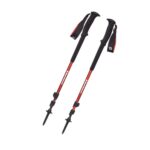
- Use trekking poles on uneven or slippery sections.
- Follow route changes advised by the trek leader.
💧
Hydration & Nutrition
- Drink water regularly throughout the trekking day.
- Carry sufficient drinking water.
- Use electrolytes when required.
- Carry light energy-rich snacks.
- Do not continue trekking when severely dehydrated.
👥
Group Trekking Safety
- Stay with the designated trekking group.
- Never leave the trail without informing the guide.
- Follow the buddy system where applicable.
- Maintain regular group headcounts.
- Immediately report any emergency or trail issue.
🩹
First Aid & Injury Prevention
- Carry a basic personal first-aid kit.
- Use proper trekking shoes to reduce the risk of slipping.
- Keep minor cuts and blisters clean and protected.
- Inform your trek leader about any injury immediately.
- Avoid continuing if an injury becomes serious.
🎒
Equipment Safety
- Check all trekking equipment before departure.
- Carry appropriate layers according to the weather.
- Keep rain protection easily accessible.
- Protect electronics and important documents from moisture.
- Do not carry unnecessary weight.
📱
Communication & Emergency
- Keep your phone and power bank charged.
- Save important emergency contacts before the trek.
- Stay informed about the group's communication plan.
- Immediately report emergencies to your trek leader.
- Follow the evacuation instructions when required.
🌿
Responsible Trekking
- Follow designated trekking routes.
- Do not litter or damage the natural environment.
- Respect local communities and cultural practices.
- Follow forest and local authority guidelines.
- Leave natural surroundings clean for future trekkers.
Emergency Safety Protocol
01. Stop & Assess
Stop at a safe location and assess the situation before taking
further action.
02. Inform the Guide
Immediately inform your trek leader about any injury, illness,
route issue or emergency.
03. Group Safety
Stay with the group and avoid moving away from the designated route
without guidance.
04. Follow Evacuation Plan
Follow the trek leader's instructions regarding evacuation or
returning to a safer location.
05. Communication
Use available communication methods to contact the appropriate
support or emergency team.
06. Weather First
If weather conditions become unsafe, follow the guide's instructions
and move only when advised.
Har Ki Dun Trek Safety Checklist
✓
Check the weather forecast before starting the trek.
✓
Wear suitable trekking shoes with good grip.
✓
Carry waterproof rain protection.
✓
Carry adequate warm layers.
✓
Carry sufficient water and hydration supplies.
✓
Keep first-aid supplies and personal medicines.
✓
Carry a headlamp and charged power bank.
✓
Keep valid ID and required trek documents.
✓
Save important emergency contact numbers.
✓
Attend the safety briefing before starting the trek.
Smart Safety Tips for Har Ki Dun Trek
- Walk at your own comfortable pace and avoid unnecessary rushing.
- Stay hydrated throughout the trekking day.
- Respect changing weather conditions and follow local advice.
- Keep important essentials easily accessible.
- Do not trek alone or leave the designated group.
- Listen to your body and report unusual symptoms early.
- Keep your equipment protected and properly packed.
- Follow local rules and instructions from your trek leader.
Important Safety Notice
Himalayan trekking involves natural risks, including changing weather, slippery or uneven trails, altitude-related problems and limited access to medical facilities. Always follow the instructions of your trek leader and local authorities. The trekking route or schedule may be modified, delayed or discontinued if conditions become unsafe.
Stay Safe. Trek Smart. Explore Har Ki Dun.
Proper preparation and responsible trekking can help you enjoy the beautiful Himalayan landscape while keeping safety a priority.
Explore Har Ki Dun Trek →Government-Approved Certifications & Affiliations
Certified and recognized by government and tourism authorities to ensure safe, reliable, and authentic Himalayan travel experiences.


TREKKING ESSENTIALS
Gear & Packing List for Himalayan Treks
Planning a Himalayan trek? Use this complete trekking gear and packing list to prepare your clothing, footwear, backpack, personal essentials, safety equipment and other important items before your adventure.
Why the Right Trekking Gear Matters
Himalayan weather can change quickly, and trekking trails may include steep sections, rocky paths, forests, snow and unpredictable conditions. Carrying the right Himalayan trek gear and packing essentials helps you stay comfortable, protected and prepared throughout the journey. Your exact packing list should also be adjusted according to the trek, season, altitude and expected weather.
Complete Himalayan Trek Packing List
Pack smart and carry only the essentials you are likely to need.
🎒
Backpack & Rain Protection
- Comfortable trekking backpack
- Rain cover for backpack
- Waterproof packing bags
- Small daypack if required
🥾
Footwear
- Good-quality trekking shoes
- Extra trekking socks
- Lightweight camp footwear
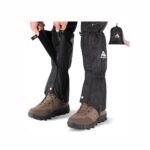
- Gaiters for snow or wet conditions
🧥
Clothing Layers
- Quick-dry trekking T-shirts
- Thermal inner layers for cold weather
- Fleece or warm mid-layer
- Insulated jacket
- Waterproof windproof outer layer
🧢
Head & Hand Protection
- Warm cap or beanie
- Sun cap
- Warm gloves
- Neck warmer or buff
💧
Hydration & Food
- Reusable water bottles
- Hydration system if preferred
- Energy bars
- Dry fruits and light snacks
- Electrolyte sachets
🩹
First Aid & Personal Care
- Basic first-aid kit
- Personal medicines
- Blister care supplies
- Sunscreen and lip balm
- Personal hygiene products
🔦
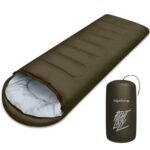
Essential Equipment
- Headlamp or flashlight
- Extra batteries or power source
- Trekking poles
- Multi-purpose utility tool
📱
Electronics
- Mobile phone
- Power bank
- Charging cables
- Camera if required
- Waterproof phone protection
🪪
Documents & Money
- Valid photo identification
- Required permits or documents
- Emergency contact details
- Small amount of cash
Top 8 Must-Have Trekking Essentials
01. Trekking Shoes:
Choose comfortable, well-broken-in shoes with good grip.
02. Layered Clothing:
Layers make it easier to adapt to changing Himalayan temperatures.
03. Rain Protection:
Carry waterproof protection for yourself and your backpack.
04. Water Bottle:
Stay hydrated throughout the trekking day.
05. Headlamp:
Useful for early starts, evening movement and emergencies.
06. First-Aid Kit:
Keep basic medical and blister-care supplies accessible.
07. Sunscreen:
Protect exposed skin from strong mountain sunlight.
08. Power Bank:
Useful for keeping your phone charged in remote trekking areas.
Quick Trekking Packing Checklist
✓
Backpack with rain cover
✓
Trekking shoes with good grip
✓
Quick-dry clothes and thermal layers
✓
Fleece, jacket and waterproof layer
✓
Warm socks, gloves and cap
✓
Water bottles and hydration supplies
✓
Headlamp and spare batteries
✓
First-aid kit and personal medicines
✓
Sunscreen, sunglasses and lip balm
✓
Power bank and charging cable
✓
Valid ID and required documents
✓
Light snacks and energy food
Smart Packing Tips for Himalayan Treks
- Pack light: Avoid carrying unnecessary items and keep your backpack comfortable for long walking days.
- Use layers: Layering is more practical than carrying one extremely heavy jacket for every Himalayan trek.
- Keep essentials accessible: Water, snacks, sunscreen, rain protection and basic first aid should be easy to reach.
- Protect electronics: Use waterproof pouches or bags to protect phones, cameras and power banks from rain and moisture.
- Check the season: Your winter, monsoon and summer packing requirements can be significantly different.
- Check trek-specific requirements: Technical, high-altitude and snow treks may require additional specialized gear.
Prepare Smart. Trek Better.
The right gear can make your Himalayan trekking experience more comfortable and enjoyable. Before starting your trek, check the destination, season, weather forecast and organizer's recommended equipment list.
Explore Himalayan Treks →Voices of Our Trekkers
Amit
Trekker
I did the Har Ki Dun Trek with Dream Go Himalayas LLP, and it was an amazing experience. The guides were very supportive, and the overall arrangements were excellent. Highly recommended for beginners and nature lovers.
Rohan
Trekker
My Har Ki Dun trek with Dream Go Himalayas LLP was perfectly organized. The food, tents, and safety measures were really impressive. The team made sure everyone felt comfortable throughout the trek.
Rahul
Trekker
Choosing Dream Go Himalayas LLP for the Har Ki Dun Trek was the best decision. Their local guides were knowledgeable, and the entire journey felt safe and well-managed.
Rakesh
Trekker
I had a wonderful trekking experience with Dream Go Himalayas LLP. The team was friendly, helpful, and provided great support during the trek. The views and overall experience were unforgettable.
Plan Your Trek with Dream Go Himalayas
Fill in the form and begin your journey towards an unforgettable Himalayan trekking experience.
Trek Success Gallery – Dream Go Himalayas
Captured moments of trekkers who turned their dreams into reality with us.
HAR KI DUN TREK COST 2026–27
Har Ki Dun Trek Cost – Package Price & Pickup Options
Planning the Har Ki Dun Trek? Check the latest starting prices, package options, pickup points and what is generally included in the trek cost before booking your Himalayan adventure.
How much does the Har Ki Dun Trek cost? The Har Ki Dun Trek starts from ₹8,999/- per person for Sankri to Sankri. If you prefer a complete journey from Dehradun, the Dehradun to Dehradun package starts from ₹11,999/- per person. The final price may vary depending on the travel date, group size, transportation and package inclusions.
BUDGET OPTION
Sankri to Sankri
₹8,999/- per person
Ideal for trekkers who want to reach Sankri independently and join the Har Ki Dun Trek directly from the base point.
CONVENIENT OPTION
Dehradun to Dehradun
₹11,999/- per person
A convenient option for travellers who prefer their journey to start and finish in Dehradun with transportation included according to the selected package.
Har Ki Dun Trek Package Price Comparison
Choose the package according to your starting point and travel needs.
| Package Type | Starting Price | Pickup & Drop | Best For |
|---|---|---|---|
| Sankri to Sankri | ₹8,999/- | Sankri | Budget-conscious trekkers |
| Dehradun to Dehradun | ₹11,999/- | Dehradun | Convenient complete journey |
What Is Included in the Har Ki Dun Trek Cost?
Package inclusions depend on the selected option and departure plan.
✓Trek Accommodation
Camping and guesthouse accommodation as per the itinerary.
✓Meals During the Trek
Meals and refreshments according to the selected package.
✓Trek Guide & Support
Professional trekking support throughout the route.
✓Camping Equipment
Essential camping equipment required during the trek.
✓Permits & Forest Charges
Applicable trekking permits and route-related charges.
✓Basic First-Aid Support
Basic first-aid assistance during the trekking journey.
What Affects the Har Ki Dun Trek Price?
Your final trekking budget can depend on several practical factors.
01
Pickup Location
Sankri-to-Sankri costs less because transportation from Dehradun is not part of the starting package price.
02
Transportation
Dehradun-to-Dehradun packages include the transportation component, making them more convenient for travellers.
03
Group Size
Group departures and private/customized treks can have different prices depending on the services required.
04
Travel Season
Availability, demand and operating conditions can affect package pricing during different trekking seasons.
05
Extra Services
Personal porter support, private vehicles and customized services may increase the overall trek budget.
06
Personal Expenses
Travel insurance, personal gear, snacks and other personal expenses should be planned separately unless specifically included.
Which Har Ki Dun Trek Package Is Right for You?
Sankri to Sankri – ₹8,999/-:
Choose this option if you are comfortable arranging your own
transportation to Sankri and want a more budget-friendly trek package.
Dehradun to Dehradun – ₹11,999/-:
Choose this option if you want a more convenient travel arrangement
starting and ending in Dehradun.
Important:
The prices shown above are starting package prices.
The final cost may vary depending on the departure date, availability,
group size, transportation requirements and selected inclusions.
Please confirm the latest package details before booking.
Ready for the Har Ki Dun Trek?
Explore the complete itinerary, trek route, inclusions, dates and booking information before planning your journey to the beautiful Har Ki Dun Valley.
View Har Ki Dun Trek PackageFrequently Asked Questions About Har Ki Dun Trek
The Har Ki Dun Trek is a scenic Himalayan trek in Uttarakhand known for its ancient villages, alpine meadows, dense forests, river valleys, and spectacular views of the surrounding Garhwal Himalayas. It is especially popular because the trail combines natural beauty with traditional Himalayan culture and is suitable for trekkers looking for a moderate multi-day trekking experience.
The Har Ki Dun Trek generally takes 6 to 7 days, depending on the itinerary and transportation plan. A typical Dehradun-to-Dehradun package takes around 7 days and 6 nights, including the journey to Sankri, trekking days, the Har Ki Dun Valley experience, and the return journey.
The best time for the Har Ki Dun Trek depends on what you want to experience. April to June is ideal for pleasant weather, blooming forests, and green landscapes, while September to November offers clearer mountain views and beautiful autumn scenery. Winter months can bring snow and much colder conditions, making the trek more challenging.
Har Ki Dun is generally considered a moderate trek. Beginners with reasonable fitness can complete it with proper preparation, although the long walking days, uneven mountain trails, altitude, and changing weather should not be underestimated. Regular walking, stair climbing, and basic cardiovascular training before the trek can make the experience much easier.
The Har Ki Dun Valley is situated at approximately 3,500 metres (11,500 feet) above sea level. Because the trail gains significant altitude over several days, proper acclimatization, hydration, and a comfortable pace are important.
The cost of the Har Ki Dun Trek varies according to the itinerary, inclusions, transportation, group size, and accommodation. A professionally organized Dehradun-to-Dehradun Har Ki Dun Trek package can start around ₹10,999 per person, depending on the package and current inclusions. It is important to check exactly what is included before comparing prices.
A typical Har Ki Dun Trek package may include transportation from Dehradun, accommodation during the journey, meals on trekking days, camping equipment, professional trek leaders and support staff, permits where required, and basic first-aid support. Inclusions vary between operators, so trekkers should check the detailed itinerary before booking.
The trek usually begins from Sankri village in Uttarkashi district, Uttarakhand. Trekkers normally travel from Dehradun to Sankri by road before starting the walking portion of the trek.
A common Har Ki Dun route follows the journey from Dehradun to Sankri, followed by trekking through villages and forest trails toward Taluka, Seema/Osla and Har Ki Dun Valley, before returning through the same general route. The exact sequence and overnight camps can vary depending on the itinerary and local trail conditions.
Weather changes considerably with altitude and season. Spring and autumn generally offer comfortable daytime trekking conditions but cold mornings and nights. During winter, temperatures can fall well below freezing at higher camps, while monsoon months can bring rain, slippery trails, and leeches. Always prepare for rapidly changing Himalayan weather.
Essential items include sturdy trekking shoes, warm layers, waterproof clothing, a rain cover, a comfortable backpack, water bottles, sunglasses, sunscreen, personal medicines, a headlamp, gloves, woollen socks, and basic toiletries. Your packing list should be adjusted according to the season because the temperature and trail conditions can change significantly.
No, previous high-altitude trekking experience is not always necessary. However, you should be comfortable walking for several hours on uneven terrain and should have a reasonable level of fitness. Beginners should choose a properly planned itinerary and avoid rushing the trail.
You should ideally be able to walk 5–8 km comfortably and gradually build up your endurance before the trek. Stair climbing, brisk walking, jogging, and basic strength exercises can help prepare your legs and cardiovascular system for consecutive days of mountain walking.
Har Ki Dun can be undertaken by solo travelers, but joining an organized trek is generally a more practical option, especially for first-time trekkers. Mountain weather, navigation, altitude, remote trail sections, and limited connectivity make proper planning and local support important.
Mobile connectivity is limited and can be unreliable along parts of the trail. Trekkers should not depend on continuous mobile service for navigation or communication. It is better to inform family members about the itinerary before leaving and carry essential emergency information offline.
Yes, Har Ki Dun can be experienced in winter, but snow and freezing temperatures can make the trail considerably more challenging. Winter trekking requires suitable clothing, proper equipment, experienced support staff, and careful planning according to current weather and trail conditions.
It can be suitable for active families and older teenagers who are physically prepared for several days of mountain walking. However, it is not the same as a sightseeing trip—the trail involves long walking days, uneven terrain, altitude gain, and basic mountain accommodation. Families should choose the itinerary according to each member’s fitness and experience.
Har Ki Dun stands out because it offers more than mountain views. The trek passes through ancient Himalayan settlements, forests, rivers, traditional architecture, and wide valley landscapes, giving trekkers a combination of nature and local culture. This makes it particularly appealing to people who want a slower, immersive Himalayan experience rather than only a summit-focused trek.
For popular trekking seasons, booking a few weeks in advance is a good idea, especially if you need transportation and accommodation from Dehradun. During peak periods such as spring and autumn, earlier booking can help secure your preferred departure date and make travel planning easier.
When should I book the Har Ki Dun Trek?