
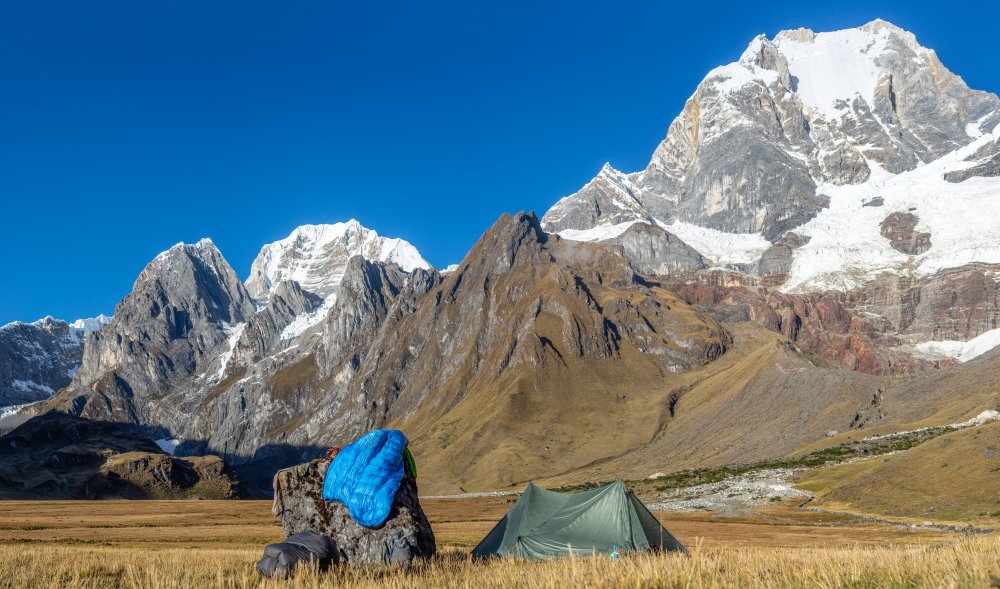
Why Summer is the Perfect Time to Trek the Himalayas
Summer in the Himalayas (April to June) is nothing short of magical. Here’s why:
The Perfect Weather Window: Winters have closed their snowy gates, and monsoons haven’t arrived yet. You get clear skies, mild temperatures (ranging from 10°C to 20°C), and stunning visibility of the peaks. It’s the Goldilocks zone for trekking—not too harsh, not too wet.
Blooming Meadows: The alpine meadows burst with wildflowers. Imagine walking through endless fields of flowers with snow-capped peaks as your backdrop. It’s genuinely surreal.
Accessibility: Most trails become fully accessible in summer. Higher passes open up, and roads are clear. What was impossible in winter becomes an achievable adventure.
The Crowd Factor: While there are more trekkers in summer compared to winter, it’s never overwhelming on the trails. You still get the serenity of the mountains with the comfort of well-maintained infrastructure.
Perfect for All Levels: Whether you’re a first-time trekker or a seasoned mountaineer, summer offers options for everyone. The trails are forgiving, the weather is cooperative, and the experience is unforgettable.
Top 8 Best Summer Treks in the Himalayas 2026
1. Dayara Bugyal Trek — The Meadow Paradise
Location: Uttarakhand (Garhwal Region)
Altitude: 11,500 ft (3,500 m)
Duration: 3-4 days
Difficulty Level: Easy to Moderate
Best Time: May to June (greenery) | December to February (snow)
Why We Love It
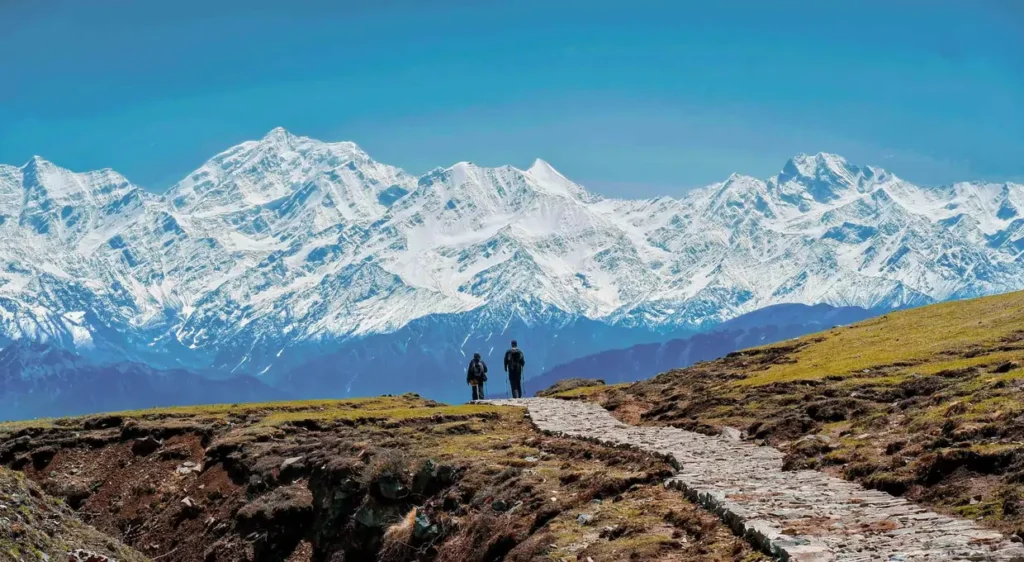
Dayara Bugyal isn’t just a trek; it’s therapy. Imagine walking through endless alpine meadows surrounded by nothing but grass, wildflowers, and Himalayan peaks stretching to the horizon. It’s the kind of trek where you spend more time taking photos than actually trekking.
The trail starts from Raithal village (a 7-8 hour drive from Dehradun) and winds through dense forests of oak, rhododendron, and maple. As you gain height, the forest gradually opens into vast bugyals (alpine meadows) that define this trek.
Key Highlights:
- Gui Lake campsite with stunning reflections at sunrise
- Dayara Top—360-degree panoramic views of peaks like Bandarpoonch, Kala Nag, Srikanth, and Gangotri range
- Chilapada campsite surrounded by misty forests
- Perfect for beginners, families, and photography enthusiasts
- Well-marked, safe trails with minimal technical climbing
Season Analysis for Summer 2026
May-June is peak season for this trek. The meadows transform into a carpet of wildflowers—yellow, purple, pink blooms everywhere. Temperatures range from 10°C to 18°C during the day, dropping to 5°C at night. Rain is rare, and visibility is exceptional.
Pro Tip: Go in early June before the monsoon clouds roll in. Late June and July often see afternoon showers.
Cost Breakdown (Per Person)
- Budget Package: ₹6,500 – ₹7,500
- Includes: Transport from Dehradun, basic tent accommodation, vegetarian meals, experienced guide
- Not included: Permits, personal equipment
- Standard Package: ₹8,000 – ₹9,500
- Includes: All of above PLUS better meals (non-veg available), complete equipment (tent, sleeping bag, mat), permits, first aid support
- Includes: Professional trek leader, porter assistance
- Premium Package: ₹10,000 – ₹13,000
- Includes: All standard perks PLUS better accommodation (better tents), gourmet meals, helicopter evacuation insurance, personal porter, photography guide
Group Size Matters: Prices drop for groups of 6+ people. Solo travelers might pay a premium of ₹1,500-₹2,000 extra.
Fitness Requirements
- Endurance Level: Moderate. Daily walking is 5-7 hours with elevation gain
- No Technical Skills: This is not a climb. It’s a walk uphill
- Age Factor: People from age 10 to 75+ have successfully completed this trek
- Minimum Fitness: Should be able to walk for 6+ hours continuously
2. Kedarkantha Trek — The “Queen of Winter” Trekking in Summer
Location: Uttarakhand (Govind Wildlife Sanctuary)
Altitude: 12,500 ft (3,810 m)
Duration: 5-6 days
Difficulty Level: Easy to Moderate
Best Time: December to March (winter/snow) | May to June (green summer)
The Summer Experience (May-June 2026)
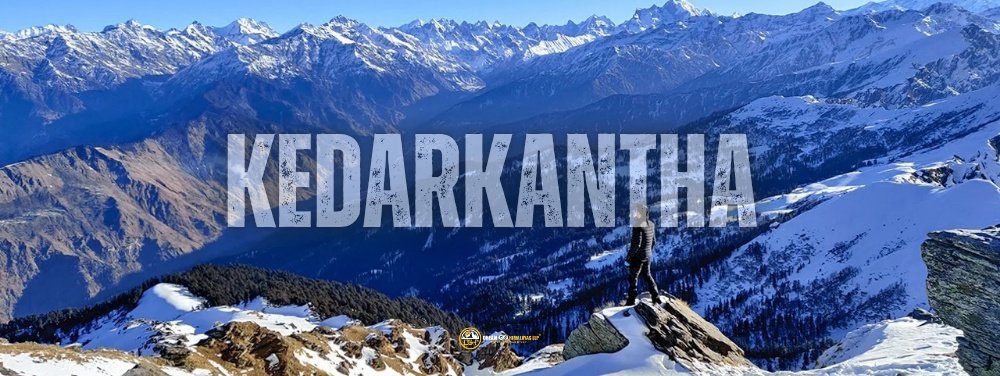
While Kedarkantha is famous as a winter trek, summer offers a completely different but equally beautiful experience. The snow melts, revealing alpine meadows and dense forest trails. The summit climb becomes less technical but no less rewarding.
Key Highlights:
- Sankri village: Your trekking gateway with traditional Garhwali architecture and warm hospitality
- Juda Ka Talab: A serene alpine lake surrounded by pine forests. In summer, you’ll see the reflection of Himalayas in clear water
- Hargaon Base: Alpine forest campsite offering solitude and serenity
- Kedarkantha Summit: The crown jewel. A 360-degree view of Swargarohini, Bandarpunch, Black Peak, and Draupadi ka Danda 2
- Spiritual dimension: Small temples of Shiva, Parvati, and Ganesha at the summit
- Wildlife: Possibility of spotting Himalayan Monal, woodpeckers, and if you’re lucky, Musk Deer
Cost Breakdown (Per Person)
- Budget Trek: ₹5,500 – ₹7,000
- Includes: Transport (Tempo Traveller), basic camping, meals, guide, permit
- Standard Trek: ₹8,000 – ₹10,000
- Includes: Better vehicle, better tents, nutritious meals, professional trek leader, porter support, first aid
- Comfort Trek: ₹11,000 – ₹14,000
- Includes: Private vehicle option, better accommodation, gourmet meals, gear rental included, daily briefings
Pro Tip: June rates are higher than May due to Monsoon approach uncertainty. Book in early May for better rates and clearer skies.
Fitness & Technical Difficulty
- Physical Demand: Moderate. Daily walks of 5-7 hours with altitude gain
- Summit Day: Challenging but achievable. Starts before sunrise, requires 4-5 hours of climbing
- No Mountaineering Skills Required: Basic fitness and mental determination is enough
- Age Consideration: Ideal for ages 12 to 70. Young children (8-11) and seniors (70+) need extra support
3. Ali Bedni Bugyal Trek — The Hidden Gem
Location: Uttarakhand (near Auli)
Altitude: 11,000 ft (3,350 m)
Duration: 4-5 days
Difficulty Level: Easy to Moderate
Best Time: May to June | September to October
Why It’s Less Crowded
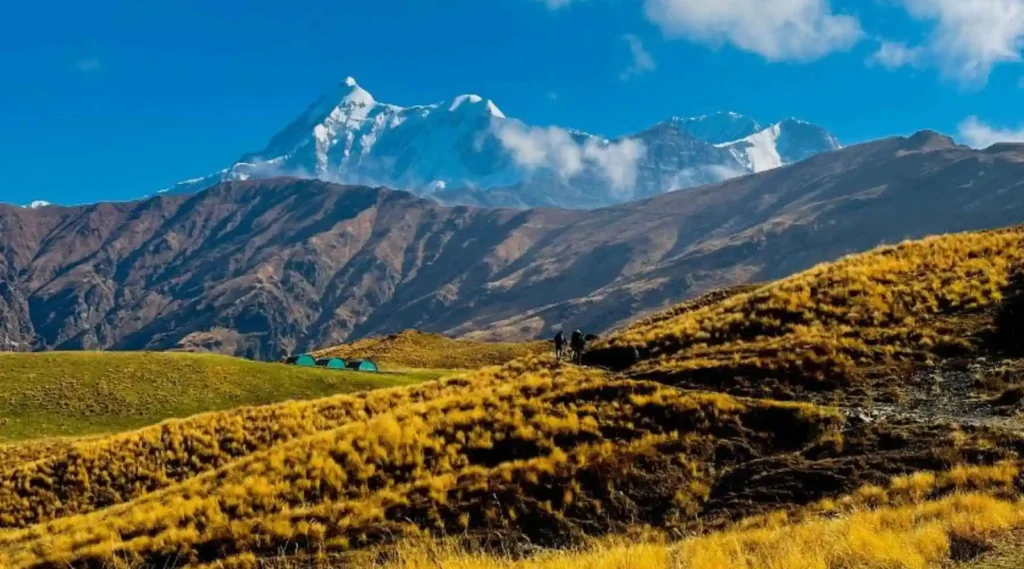
While Dayara Bugyal attracts crowds, Ali Bedni Bugyal remains the “secret” meadow trek. You get the same stunning alpine meadows, the same mountain vistas, but with fewer trekkers. It’s paradise without the Instagram crowds.
The trek passes through enchanting valleys, hushed hamlets, and deep dark forests. You’ll encounter local shepherd communities maintaining their traditional lifestyle, adding a cultural dimension to your trek.
Key Highlights:
- Ali Bedni meadows: Less crowded than Dayara but equally stunning
- Cultural interaction: Meet local shepherd communities
- Auli base: Option to extend trek and explore the skiing region
- Wildlife viewing: Better chances of seeing Himalayan wildlife
- Solitude factor: True wilderness experience
Cost (Per Person)
- Budget: ₹6,500 – ₹8,000
- Standard: ₹8,500 – ₹10,500
- Premium: ₹11,000 – ₹13,500
Difficulty Comparison
- Physical: Moderate (similar to Dayara but with more forest walking)
- Technical: Minimal
- Crowd Factor: Very low—you might not see another group for hours
- Solitude Rating: ⭐⭐⭐⭐⭐ (5/5)
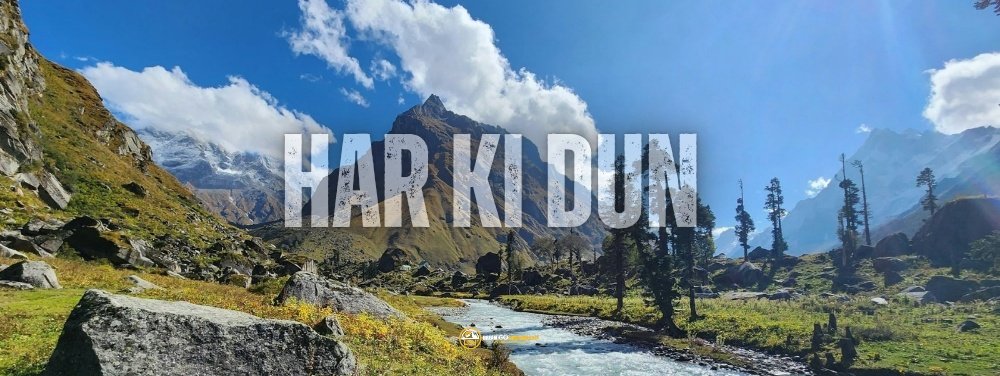
4. Har Ki Dun Trek — The “Valley of Gods”
Location: Uttarakhand (Tons River Valley)
Altitude: 12,000 ft (3,650 m)
Duration: 5-7 days
Difficulty Level: Moderate
Best Time: May to June | September to October
The Experience
Har Ki Dun, frequently referred to as “Hanging Valley,” is a cradle-shaped valley surrounded by towering peaks. It’s one of the most spiritually significant treks in the Himalayas, with deep cultural roots.
The trek is famous for its winter snow trekking, but summer offers something different—lush green valleys, blooming flowers, and clear mountain air. You’ll trek through dense forests, cross clear mountain streams, and camp in meadows at the valley’s heart.
Key Highlights:
- The hanging valley: Dramatic amphitheater of mountains
- Diverse ecosystems: Forest to meadow to rocky terrain
- Cultural engagement: Stay in local homestays, eat traditional food
- Photography gold: Sunrise from the valley is unforgettable
- Spiritual vibe: Connect with nature and yourself
- Limited accessibility: Adds to the sense of achievement
Cost (Per Person)
- Budget: ₹7,500 – ₹9,000
- Standard: ₹10,000 – ₹12,500
- Premium: ₹13,000 – ₹16,000
Physical Demands
- Hiking Hours: 6-8 hours daily
- Altitude Gain: Significant but gradual
- Technical Skills: Basic scrambling knowledge helpful
- Fitness Level: Good—requires consistent physical conditioning
5. Gaumukh Tapovan Trek — Spiritual Adventure
Location: Uttarakhand (Uttarkashi District)
Altitude: 10,500 ft (3,200 m)
Duration: 4-5 days
Difficulty Level: Moderate
Best Time: May to June
The Spiritual Dimension
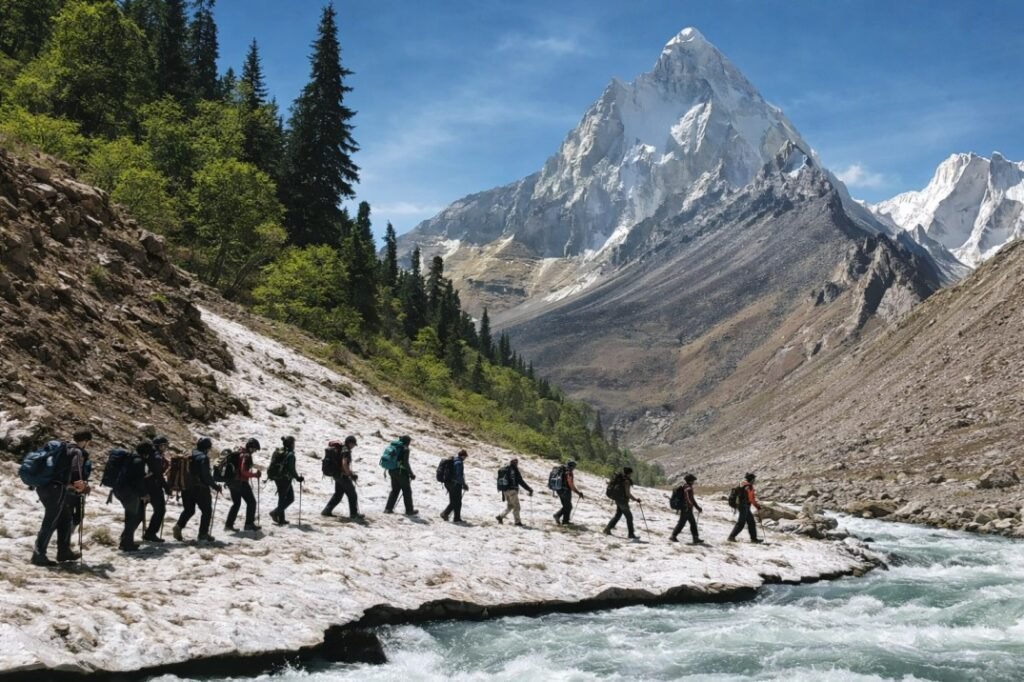
This trek combines spirituality with adventure. Gaumukh is the source of River Ganga—considered the holiest river in Hinduism. Tapovan is the meditation ground above it. Many pilgrims walk this route for spiritual reasons, but it’s equally compelling for adventure seekers.
The trek passes through dense forests, alongside the flowing Bhagirathi River, with dramatic mountain backdrops. You’ll camp at altitude with the roar of glacial rivers as your night music.
Key Highlights:
- Gaumukh waterfall: Direct source of the holy Ganga River
- Tapovan meadow: Meditative campsite at higher altitude
- Spiritual atmosphere: Genuinely transcendent
- Forest beauty: Varied ecosystems as you gain altitude
- River trekking: Walking alongside glacial waters
Cost (Per Person)
- Budget: ₹7,000 – ₹8,500
- Standard: ₹9,000 – ₹11,000
- Premium: ₹12,000 – ₹15,000
6. Kedartal Trek — Alpine Lake Adventure
Location: Uttarakhand (Chopta Region)
Altitude: 13,850 ft (4,220 m)
Duration: 4-5 days
Difficulty Level: Moderate to Difficult
Best Time: May to June | September to October
Why It’s Special
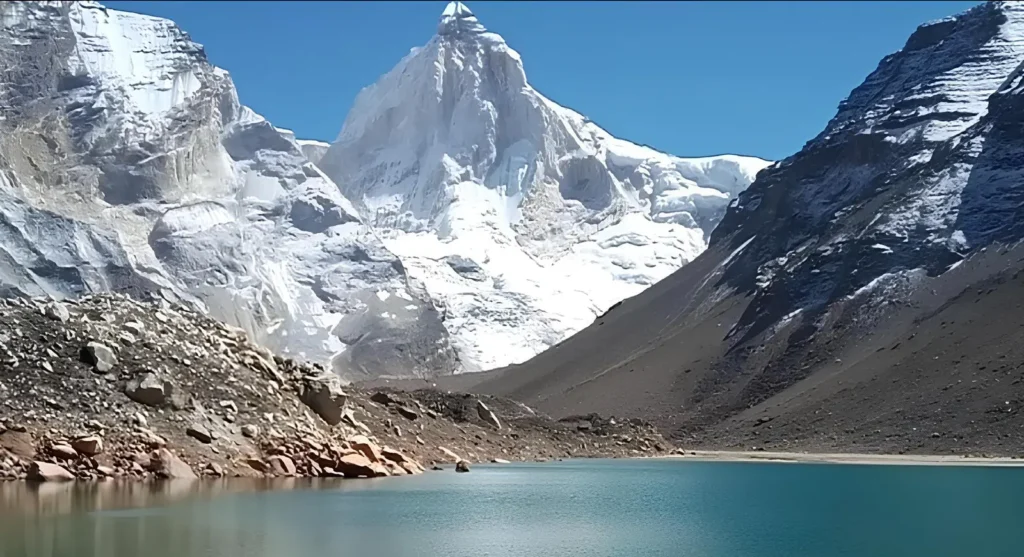
Kedartal is an alpine lake that sits at almost 14,000 feet. It’s surrounded by towering peaks and remains partially frozen even in summer. The trek to reach it is a gradual climb through forests, meadows, and rocky terrain.
This trek is for trekkers with decent fitness levels. It’s not a walk in the park, but the reward—standing by a pristine alpine lake surrounded by mountains—is absolutely worth the effort.
Key Highlights:
- Kedartal Lake: Pristine, often partially frozen alpine lake
- High altitude experience: Approach 14,000 feet without technical climbing
- Panoramic views: Chopta meadows and surrounding peaks
- Wildlife: Himalayan wildlife viewing opportunities
- Altitude acclimatization: Good training for higher altitude treks
Cost (Per Person)
- Budget: ₹8,500 – ₹10,000
- Standard: ₹11,000 – ₹13,000
- Premium: ₹14,000 – ₹17,000
7. Bali Pass Trek — For the Adventurous
Location: Uttarakhand (Garhwal Himalayas)
Altitude: 16,200 ft (4,940 m)
Duration: 7-8 days
Difficulty Level: Difficult
Best Time: June to September
This One’s For Serious Trekkers
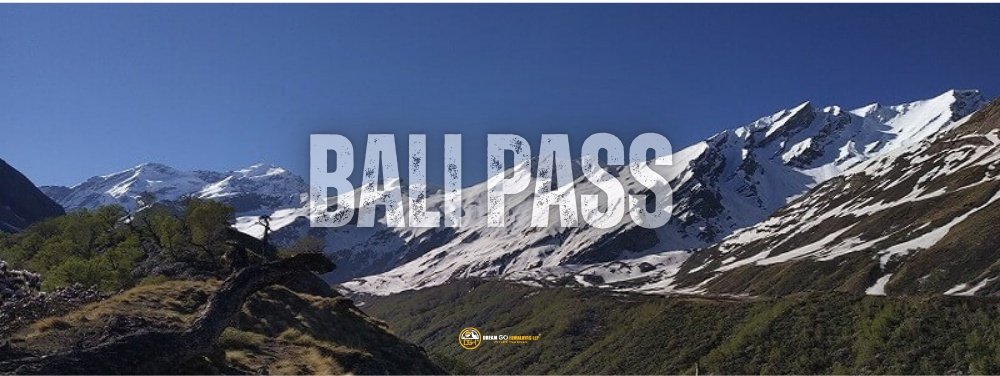
Bali Pass is not your weekend stroll. This is a challenging trek that tests your physical and mental limits. At 16,200 feet, you’re touching the alpine frontier. The pass crosses from one valley to another through rocky, rugged terrain.
However, for those with good fitness and altitude tolerance, this trek offers unparalleled satisfaction. You’re basically conquering a mountain pass, not just hiking a trail.
Key Highlights:
- High altitude pass: 16,200 feet of genuine mountain terrain
- Rocky ridge walking: Technical but not rock climbing
- Isolation: Few trekkers, true wilderness
- Panoramic alpine views: Like standing on top of the world
- Achievement factor: Completing this trek is genuinely impressive
Cost (Per Person)
- Budget: ₹12,000 – ₹14,000
- Standard: ₹15,000 – ₹18,000
- Premium: ₹19,000 – ₹25,000
Fitness Requirements
- Serious Physical Conditioning: Required. Daily 7-8 hour walks at altitude
- Altitude Experience: Previous high-altitude trekking recommended
- Mental Toughness: Crucial for push-through tough moments
- Age Factor: Best for ages 20-55. Seniors and teenagers need extra preparation
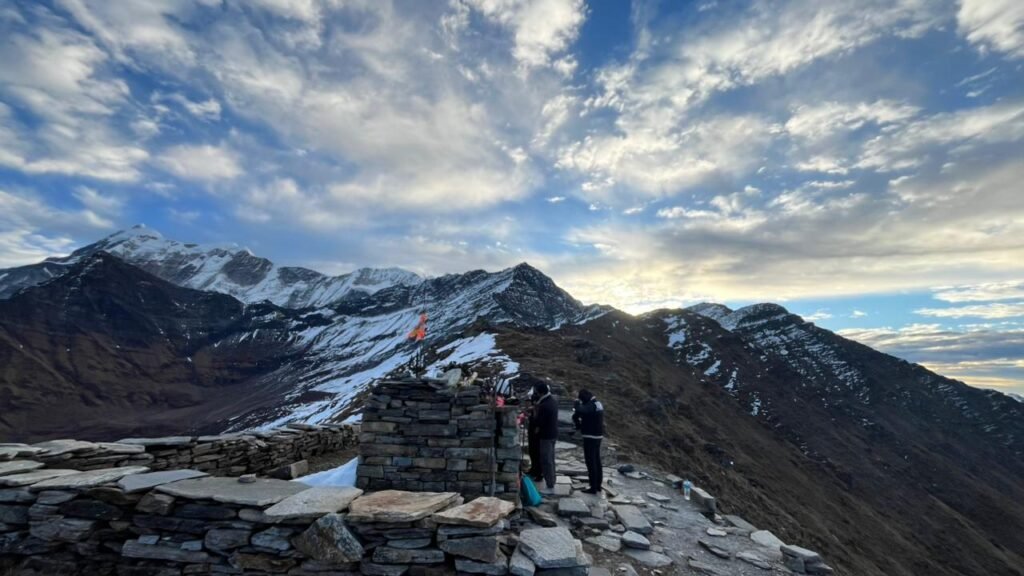
8. Roopkund Trek — The Mystery Lake
Location: Uttarakhand (near Chopta)
Altitude: 16,500 ft (5,029 m)
Duration: 6-7 days
Difficulty Level: Difficult
Best Time: May to June | September to October
The Legendary Mystery
Roopkund is famous as the “Mystery Lake.” In 1942, a shepherd discovered hundreds of skeletons around this alpine lake at 16,500 feet. Scientists believe these date back centuries, possibly to the 9th-12th centuries. The mystery of who these people were and why they died here remains unsolved.
Trekking to Roopkund is more than physical adventure—it’s a journey through history and mystery.
Key Highlights:
- The mysterious skeletons: Historical mystery adds intrigue
- High altitude alpine lake: Amongst the highest in India
- Rocky alpine terrain: True mountain environment
- Diverse flora: From forests to alpine meadows to rocky peaks
- Spiritual significance: Local legends and history combined
Cost (Per Person)
- Budget: ₹10,000 – ₹12,000
- Standard: ₹13,000 – ₹16,000
- Premium: ₹17,000 – ₹22,000
🌄 Quick Comparison: Best Summer Treks 2026
Dayara Bugyal Trek
Altitude: 11,500 ft
Duration: 3–4 Days
Difficulty: Easy
Cost: ₹6,500 – ₹9,500
Crowds: Medium
Best For: Beginners & Families
Kedarkantha Trek
Altitude: 12,500 ft
Duration: 5–6 Days
Difficulty: Moderate
Cost: ₹5,500 – ₹14,000
Crowds: Medium
Best For: First-time Climbers
Ali Bedni Bugyal Trek
Altitude: 11,000 ft
Duration: 4–5 Days
Difficulty: Easy to Moderate
Cost: ₹6,500 – ₹13,500
Crowds: Low
Best For: Solitude Seekers
Har Ki Dun Trek
Altitude: 12,000 ft
Duration: 5–7 Days
Difficulty: Moderate
Cost: ₹7,500 – ₹16,000
Crowds: Low to Medium
Best For: Spiritual Seekers
Gaumukh Tapovan Trek
Altitude: 10,500 ft
Duration: 4–5 Days
Difficulty: Moderate
Cost: ₹7,000 – ₹15,000
Crowds: Medium
Best For: Pilgrimage + Adventure
Kedartal Trek
Altitude: 13,850 ft
Duration: 4–5 Days
Difficulty: Moderate to Difficult
Cost: ₹8,500 – ₹17,000
Crowds: Low
Best For: High-Altitude Lovers
Bali Pass Trek
Altitude: 16,200 ft
Duration: 7–8 Days
Difficulty: Difficult
Cost: ₹12,000 – ₹25,000
Crowds: Very Low
Best For: Experienced Trekkers
Roopkund Trek
Altitude: 16,500 ft
Duration: 6–7 Days
Difficulty: Difficult
Cost: ₹10,000 – ₹22,000
Crowds: Medium
Best For: Adventure Seekers
Cost Breakdown & Budget Tips: Make Your Trek Affordable
What’s Included in Trek Costs?
Always Included:
- Professional guide (1 guide per 4-5 trekkers typically)
- Accommodation (tent camping, sometimes homestays)
- All meals during trek (breakfast, lunch, dinner, tea)
- Permits and government fees
- Basic first aid support
Usually NOT Included:
- Transportation to/from trek base
- Personal trekking gear (if you don’t have your own)
- Insurance (optional but recommended)
- Meals in starting point towns
- Tips for guides/porters
- Photography/video services
Money-Saving Tips for Summer 2026
1. Group Discounts Trek with a group of 6-8 people. You can save ₹1,500-₹2,500 per person. Group rates kick in automatically.
2. Early Booking Book in March-April for May-June treks. Early bird packages offer 10-15% discounts. Late bookings (May onwards) have premium prices due to demand.
3. Mid-Week Treks Trek starting on Mondays-Wednesdays (non-weekend). Operators offer better rates for non-peak days.
4. Rent vs. Buy Gear If you don’t own trekking gear, rent it. Renting costs 1/10th the price of buying. Most trek operators offer rental services at ~₹50-100 per item per day.
5. Budget Food Options Request simple, vegetarian meals. Non-vegetarian meals cost more. Vegetarian Indian food is nutritious and budget-friendly on treks.
6. Combine Multiple Treks Do back-to-back treks. Base costs (vehicle, operator margin) decrease when you do multiple treks in sequence.
7. Solo or Couples Package Often cheaper than family packages per person. Trek with other solos to form a group.
Real Budget Example for 2026
Dayara Bugyal Trek (3-4 days) – Budget Option
- Trek package: ₹7,000
- Dehradun to Raithal transport (shared): ₹500
- Gear rental (sleeping bag, mat, jacket): ₹400
- Permits: ₹300
- Total: ₹8,200 (roughly $100 USD)
- Comfort Upgrade: +₹3,000 for better meals, porter support = ₹11,200
Season Analysis: When to Trek in Summer 2026
April (Early Summer)
- Weather: Pleasant, 15-20°C, occasional rain
- Accessibility: Some higher trails still have patches of snow
- Crowds: Fewer tourists, mostly Indian weekenders
- Best Treks: Dayara Bugyal, Kedarkantha, Triund
- Cost: Lower than May-June
May (Peak Summer)
- Weather: Ideal. Clear skies, 12-18°C, minimal rain
- Accessibility: All major trails open. Perfect conditions
- Crowds: Peak season. Popular treks get crowded
- Best Treks: All summer treks optimal
- Cost: Premium pricing due to demand
June (Pre-Monsoon)
- Weather: Still good but monsoon clouds approaching. Afternoons see showers
- Accessibility: All trails accessible but expect occasional rain
- Crowds: Post-school holidays (mid-June) see family groups
- Best Treks: Early June still great. After 20th June, afternoon rains increase
- Cost: High early, drops slightly after 15th June
Pro Tip for Summer 2026
Best Window: May 1-31. Plan your trek in May for optimal weather, acceptable crowds, and reasonable pricing.
Preparation Guide: Getting Trek-Ready for Summer 2026
3 Months Before Trek
Physical Training
- Walk 5-7 km daily with elevation (hills, stairs)
- Climb stairs with a weighted backpack (8-10 kg)
- Swimming 2x per week for cardio
- Yoga for flexibility and core strength
Mental Preparation
- Watch trek videos, read blogs
- Understand your trekking goals (fun, fitness, spiritual)
- Build mental toughness for challenging moments
Medical Check-up
- See your doctor, especially if age 50+
- Check resting heart rate, blood pressure
- If any medical condition, consult before booking
1 Month Before Trek
Equipment Collection
- Buy or finalize gear rental
- Test your backpack with weight
- Break in trekking shoes properly
- Organize and list all items
Logistics Planning
- Book transport to trek base
- Reserve hotel in base town (pre and post trek)
- Get permits ready
- Arrange leave from office/studies
Final Physical Prep
- Increase hiking distance to 8-10 km
- Do hill workouts with pace
- Test all gear in mini treks
Acclimatization Strategy
- Plan arrival 1 day before trek start
- Sleep early in base town
- Light food, lots of water
- Avoid alcohol, cigarettes
1 Week Before Trek
Final Checklist
- All gear packed in backpack
- Travel documents, IDs, permits collected
- Money organized (cash in multiple pockets)
- Insurance documents if purchased
- Trek operator contact numbers saved
Nutrition Plan
- Eat high-carb, high-protein diet
- Hydration focus—drink 3+ liters daily
- Avoid heavy, oily food
- Take multivitamins if recommended by doctor
Mental Preparation
- Visualize successful trek completion
- Read success stories
- Prepare for challenges mentally
- Set realistic personal goals
Fitness Assessment: Are You Trek-Ready?
The 6-Hour Test
Can you walk continuously for 6 hours at moderate pace without stopping (except brief breaks)?
If YES → You’re ready for Easy-Moderate treks (Dayara, Kedarkantha, Ali Bedni)
If NO → Do 2-3 months training before booking
The Stairs Test
Can you climb 10+ flights of stairs carrying a 10 kg backpack without getting out of breath?
If YES → Good altitude tolerance
If NO → Focus on cardio training
The Elevation Test
Have you previously trekked above 8,000 feet?
If YES → You understand altitude effects
If NO → Acclimatize carefully, trek slowly on first day
Essential Gear Packing List for Summer Treks
Non-Negotiable (Must Have)
- Trekking shoes: Waterproof, good grip, ankle support
- Backpack: 45-50L capacity (not oversized)
- Sleeping bag: Rated for 5°C minimum
- Tent: Usually provided by trek operator
- Warm jacket: Fleece or down, essential
- Quick-dry clothes: 2-3 sets
- Socks: 3-4 pairs (moisture-wicking)
- Raincoat/Poncho: Summer gets afternoon showers
- Sun protection: Hat, sunglasses, sunscreen SPF 50+
- Water bottle: 2L capacity minimum
Medical Kit (Critical)
- Personal medications: Any prescription items
- Blister treatment: Blister pads, antibiotic ointment
- Pain relief: Ibuprofen, acetaminophen
- Altitude sickness: Talk to doctor about Diamox (preventive)
- Digestive: Anti-diarrhea, antacids
- First aid basics: Bandages, antiseptic, tape
Electronics
- Headlamp: Hands-free, long battery life
- Power bank: 10,000 mAh minimum
- Charger: Solar or manual preferred
- Camera: Optional but recommended
- Phone: For emergencies only (limited network)
Nice-to-Have
- Trekking poles: Reduce knee strain significantly
- Camera: DSLR or good smartphone
- Journal: Document your trek
- Books: Light reading for camp
- Snacks: Energy bars, chocolates, nuts
Trek Operator Selection: Choosing the Right Partner
Qualities of Good Trek Operators
✅ Certified Guides: Professional, experienced, knowledgeable
✅ Medical Support: First aid kit, oxygen, emergency protocol
✅ Good Reviews: Check Google, TripAdvisor, Trek-specific sites
✅ Transparent Pricing: No hidden charges
✅ Small Group Size: Max 8-10 people per batch
✅ Flexible Itineraries: Willing to adjust for weather
✅ Environmental Consciousness: Leave no trace practices
✅ Local Engagement: Support local communities
✅ Insurance Options: Offered with trek package
Red Flags to Avoid
❌ Extremely cheap packages (too good to be true)
❌ No medical kit or first aid training
❌ Large groups (15+ people)
❌ Vague itineraries
❌ No reviews or only recent reviews
❌ Guides without proper ID/credentials
❌ Hidden charges revealed later
❌ No cancellation policy
Booking Your Summer Trek: Step-by-Step
Step 1: Choose Your Trek (Now)
Based on fitness level, duration availability, and interest:
- Fitness < Good: Start with Dayara Bugyal or Ali Bedni Bugyal
- Fitness Good: Kedarkantha, Har Ki Dun, Gaumukh Tapovan
- Fitness Excellent: Kedartal, Roopkund, Bali Pass
Step 2: Select Dates (April-May 2026)
- Check festival dates, school holidays
- Avoid major Indian holidays (expensive, crowded)
- Book mid-week when possible for better rates
Step 3: Compare Operators
- Research 3-4 trek operators
- Check reviews, pricing, inclusions
- Ask specific questions about meals, guides, safety
Step 4: Make Payment
- Pay deposit (usually 25-30% of total cost)
- Read terms and conditions carefully
- Ask about refund/reschedule policy
- Get written confirmation
Step 5: Preparation Phase
- Start training immediately
- Buy/rent equipment
- Arrange transport to trek base
- Book accommodation pre/post trek
Step 6: Final Briefing
- Operator provides detailed briefing 1 week before
- Understand daily itinerary
- Know emergency contact numbers
- Ask any last-minute questions
Step 7: Trek Day!
- Arrive at meeting point on time
- Follow guide’s instructions strictly
- Enjoy the experience
- Share feedback post-trek
Safety Considerations: Trek Responsibly
Altitude Sickness: Real Risk, Easy Prevention
Symptoms: Headache, nausea, dizziness, shortness of breath
Prevention:
- Ascend slowly, “climb high, sleep low”
- Drink 3+ liters water daily
- Eat carbohydrate-rich food
- Avoid alcohol
- Take rest days if needed
Treatment:
- Descend immediately if severe
- Use oxygen if available
- Acclimatization pills (Diamox) if recommended by doctor
- Most cases resolve with rest and hydration
Weather Hazards
Summer storms can happen suddenly. Always:
- Respect guide’s weather-related decisions
- Carry rain gear always
- Don’t trek in lightning storms
- Follow official weather advisories
Wildlife Safety
Most animals avoid humans. But if you encounter:
- Keep distance from all animals
- Don’t approach for photos
- Make noise while walking through forests
- Don’t feed animals
- Report dangerous animals to guides
Trail Safety
- Never trek alone
- Stay with your group
- Follow marked trails only
- Don’t hike after dark (except summit days with guides)
- Use trekking poles to reduce joint strain
- Take frequent breaks
Insider Tips from Experienced Trekkers
Tip 1: Pace is King Slow and steady wins the trek race. Many beginners start too fast and burn out. Let your body acclimatize. It’s not a race.
Tip 2: Hydration Over Everything Drink water constantly, even if not thirsty. By the time you feel thirsty, you’re already dehydrated. Aim for 3+ liters daily at altitude.
Tip 3: Camp Life is Half the Trek The walk matters, but camp experiences are where trek bonds form. Make friends with fellow trekkers, listen to guides’ stories, enjoy simple camp dinners.
Tip 4: Sunrise Matters Wake up for sunrise views. Every single one. The effort of waking early is nothing compared to watching the Himalayas glow in golden light.
Tip 5: Respect the Mountains Mountains teach humility. Leave only footprints, take only photos. Respect local cultures and beliefs. You’re a guest in their sacred space.
Tip 6: Don’t Obsess Over Perfection Blisters, sweat, dirt, hunger—all part of the adventure. Embrace discomfort. It’s where growth happens.
Tip 7: Trust Your Guide Your guide knows the terrain, weather patterns, and safety protocols. Trust their experience, especially regarding pace and rest.
Tip 8: The Best Photos Are With Eyes Closed Stop taking photos occasionally. Just stand, breathe, and feel the moment. Some memories don’t need pictures.
Post-Trek Care: Recovery & Reflection
Immediate Post-Trek (Days 1-3)
Rest: Your body worked hard. Sleep well.
Nutrition: Eat well, especially proteins and complex carbs. Your muscles need repair.
Hydration: Continue drinking lots of water.
Gentle Stretching: Light yoga to prevent soreness.
Medical Check: See a doctor if any concerns.
Reflection & Journaling (Days 3-7)
- Write down your trek experience while fresh
- Note what went well, what was challenging
- Identify lessons learned
- Plan next trek ideas
Giving Feedback
- Review on Google/TripAdvisor
- Give honest feedback to operator
- Share photos, experiences with trek community
- Recommend to friends
Conclusion: Your Summer 2026 Himalayan Adventure Awaits
The Himalayas have called adventurers for centuries. Summer 2026 offers the perfect window to answer that call. Whether you choose the meadow paradise of Dayara Bugyal, the spiritual dimensions of Gaumukh Tapovan, or the challenging heights of Bali Pass, you’re signing up for more than a physical adventure.
You’re signing up for:
- Self-discovery: Finding strengths you didn’t know you had
- Connection: With nature, with fellow trekkers, with yourself
- Memories: That will last a lifetime
- Stories: To tell for years
- Perspective: That mountains uniquely provide
Action Items (Starting Today):
- Choose Your Trek: Pick one from our list
- Assess Your Fitness: Honest evaluation, plan training
- Research Operators: Find 3-4 good options
- Start Training: Begin walking daily
- Plan Your Dates: Pick May 2026 for optimal conditions
- Book Now: Early bird discounts available
Frequently Asked Questions (FAQs)
Q1: I’ve never trekked before. Which trek should I do?
A: Start with Dayara Bugyal or Ali Bedni Bugyal. Both are beginner-friendly, short (3-4 days), and rewarding. Success on these builds confidence for challenging treks.
Q2: How much should I spend on a summer trek?
A: Budget ₹6,500-₹9,500 per day for a good standard package. This includes accommodation, meals, guide, and permits. Add ₹1,500-₹3,000 for transport from major cities.
Q3: Is altitude sickness common?
A: It varies. On treks below 12,000 ft with gradual ascent, most people adapt well. Higher altitude treks (14,000+ ft) have 20-30% of trekkers experiencing mild symptoms. Prevention (hydration, slow pace) works 90% of the time.
Q4: Can families with kids trek?
A: Absolutely. Dayara Bugyal, Kedarkantha, and Har Ki Dun have kids as young as 8-10 successfully completing them. Ensure kids are physically active and mentally prepared.
Q5: What if I need to cancel?
A: Most operators offer partial refunds if cancellation is 30+ days before trek. Read the cancellation policy carefully before booking.
Q6: Is it safe to trek as a solo female?
A: Yes. Most trek groups are mixed, and guides ensure safety. Many operators have all-female batches. Inform operator, and they’ll match you with appropriate group.
Q7: Do I need previous mountaineering experience?
A: Not for summer treks listed here. Basic fitness and mental determination is enough. Higher altitude expeditions (Stok Kangri, Nun Kun) require mountaineering training.
Q8: What’s the weather really like?
A: Summer is best season: 10-20°C daytime, 5-10°C at night. Minimal rain in May. June sees occasional afternoon showers. Nights are always cold—bring warm clothes.
Your Summer 2026 Trek Awaits
The mountains call. The trails wait. The adventure is ready.
This summer, be someone who says “Yes” to the Himalayas.
Ready to Trek? Contact Dream Go Himalayas Today
Our expert team specializes in personalized summer treks that match your fitness level, schedule, and dreams. From the serene meadows of Dayara Bugyal to the challenging heights of Roopkund, we curate experiences that transform adventures into life-changing journeys.
Book Now for Summer 2026 and Get:
- Free pre-trek fitness consultation
- Gear rental at discounted rates
- Experienced guides fluent in English
- Daily photo highlights from trek
- Post-trek recovery guide
- Access to exclusive trekking community