
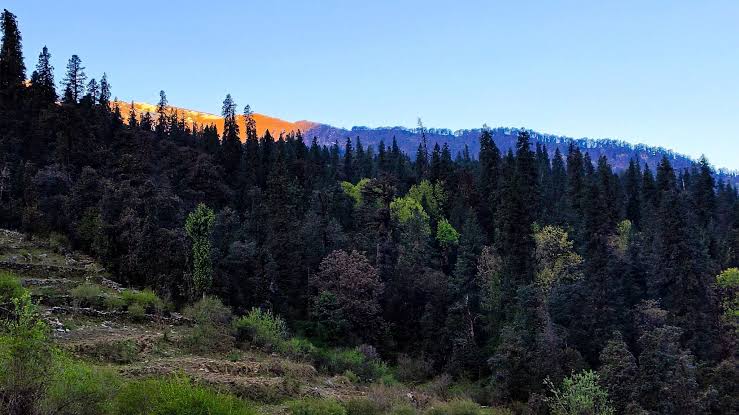
A Himalayan Story Waiting to Be Discovered
Some mountain destinations become famous for their height, others for their difficult trails, and a few win people’s hearts through the stories and landscapes they hold. Gulabi Kantha belongs to the last category.
Hidden in the Yamuna Valley region of Uttarkashi district, Uttarakhand, Gulabi Kantha offers a different perspective on Himalayan travel. The journey passes through traditional mountain settlements, forest trails, open meadows, and high-altitude landscapes where the mountains seem to stretch endlessly towards the horizon.
But what makes this destination interesting is not only its natural beauty. It is also the connection between the land, the people who live around it, and the seasonal changes that transform the trail throughout the year.
The name Gulabi Kantha is commonly interpreted as referring to a pink-coloured mountain or hillside. Seasonal rhododendron blooms and colourful mountain vegetation help explain the association with pink, although the precise historical origin of the name should be confirmed through local oral histories.
In 2025, Gulabi Kantha received wider attention after being recognised as Uttarakhand’s Trek of the Year 2025. The recognition introduced more travellers to a route that had long remained less familiar than some of the region’s established trekking destinations.
For anyone interested in the hidden Himalayan trails of Uttarakhand, Gulabi Kantha offers an opportunity to discover not just a beautiful mountain landscape, but also the cultural character of the Yamuna Valley.
If you are planning to explore this destination, visit the Gulabi Kantha Trek package by Dream Go Himalayas for itinerary information and booking details.
What Is the Story Behind Gulabi Kantha?
The story of Gulabi Kantha begins with the landscape itself.
In the Garhwal Himalayas, mountains are closely connected with the everyday lives of local communities. Forests provide resources, meadows support seasonal grazing, and mountain paths connect villages with fields, water sources, and neighbouring settlements.
Gulabi Kantha sits within this wider Himalayan landscape, where nature and traditional life have developed together over generations.
The name is commonly associated with pink-coloured mountain scenery. During the flowering season, rhododendrons can bring red and pink shades to parts of the forest, while wildflowers add colour to open meadows. As the seasons change, the same landscape takes on a completely different appearance.
Spring brings fresh vegetation and flowering plants. Summer reveals green meadows and forest trails. Autumn often brings a quieter atmosphere and crisp mountain views, while winter can cover the higher ground in snow.
This seasonal transformation is an important part of Gulabi Kantha’s appeal. It gives travellers a reason to see the destination as more than a single-season trekking route.
The deeper story, however, belongs to the local people. Their knowledge of mountain weather, seasonal movement, forests, and traditional routes provides a perspective that cannot be captured by photographs alone.
For visitors, taking time to learn about these connections can make the trek more meaningful than simply reaching a summit.
Gulabi Kantha and the Local Legends of the Yamuna Valley
The Yamuna Valley has a rich cultural setting shaped by mountain communities, religious traditions, and the surrounding Himalayan environment.
Nearby Hanuman Chatti is associated with the pilgrimage route to Yamunotri, one of the four major pilgrimage destinations known collectively as Char Dham. The wider region therefore brings together two different ways of experiencing the mountains: spiritual journeys and nature-based exploration.
Local stories, family histories, religious beliefs, and knowledge passed down through generations form an important part of the area’s cultural identity.
Mountains as More Than Natural Landmarks
For many Himalayan communities, mountains are not simply geographical features. They form part of a larger cultural world connected with seasonal life, local beliefs, and the natural environment.
A mountain meadow may be valued for grazing, a forest trail may connect neighbouring settlements, and a river may hold practical as well as spiritual importance.
When trekking through Gulabi Kantha, visitors move through a landscape that has meaning for people beyond tourism. Understanding this relationship encourages a more respectful way to travel.
The Importance of Oral Traditions
Many local stories are shared through conversations rather than written records. Their details may vary between villages and families, and some stories are connected with broader regional beliefs rather than one particular trekking destination.
Travellers interested in the legends of Gulabi Kantha can learn more by speaking respectfully with local residents and guides. Asking about the origin of the name, the history of nearby settlements, traditional festivals, and seasonal changes can reveal details that a standard trekking itinerary may overlook.
It is important to distinguish documented history from local folklore. Rather than attaching an unverified myth to Gulabi Kantha, a thoughtful visitor can appreciate the living traditions of the region and allow local voices to tell their own stories.
Why Is Gulabi Kantha Called a Hidden Trek in Uttarakhand?
Uttarakhand is home to several well-known trekking routes, including Kedarkantha, Har Ki Dun, Dayara Bugyal, and Kuari Pass. These destinations have established reputations among trekkers looking for summit experiences, snow-covered forests, mountain views, and alpine meadows.
Gulabi Kantha offers a different experience through its combination of forest walking, traditional village scenery, and expansive high-altitude meadows.
Its reputation as a less-explored destination developed because it received less mainstream attention than many established Himalayan treks. The Trek of the Year 2025 recognition subsequently brought it to a wider audience.
1. Traditional Villages Along the Route
The journey from Hanuman Chatti introduces trekkers to the rural character of the Yamuna Valley. Nishni is one of the settlements associated with the trekking route, offering a glimpse of mountain life and traditional architecture.
Village landscapes provide a valuable contrast to the open meadows higher up. Terraced land, houses, local paths, and the surrounding hills help visitors understand how people live in this mountainous environment.
Travellers should remember that these are living communities, not open-air museums. Ask permission before photographing residents or entering private property.
2. Forest Trails and Changing Landscapes
The trail moves through sections of Himalayan forest before opening into higher terrain. Depending on the season, the forest may display fresh spring growth, green summer vegetation, autumn colours, or winter conditions.
These changing environments make the journey interesting even before the higher viewpoints come into sight.
3. Wide Himalayan Meadows
The meadows are among Gulabi Kantha’s most memorable features. Their open terrain provides a feeling of space that differs from the enclosed atmosphere of forest trails.
During suitable weather, the higher sections can offer broad views of the surrounding mountain ranges. Clouds, changing light, and seasonal vegetation can make the same viewpoint look different from one visit to another.
4. A Quieter Alternative to Established Routes
Gulabi Kantha may appeal to travellers who want to discover a route outside the most familiar trekking circuits.
However, its popularity is changing following the 2025 recognition. It is better to think of Gulabi Kantha as a growing trekking destination rather than assume that it will always be empty or uncrowded.
Trek of the Year 2025: How Gulabi Kantha Gained Recognition
Gulabi Kantha entered the wider trekking conversation in 2025 when Uttarakhand Tourism recognised it as Trek of the Year.
On 28 September 2025, a trekking expedition was flagged off in collaboration with Uttarakhand Tourism Development Board and Trek The Himalayas. The initiative helped introduce the route to a broader trekking audience.
The recognition highlighted the destination’s natural scenery and potential for trekking tourism in the Yamuna Valley.
Why This Recognition Matters
For a developing trekking destination, wider recognition can create opportunities for local guides, accommodation providers, transport operators, and other community businesses.
It can also encourage travellers to look beyond familiar routes and discover different parts of Uttarakhand.
At the same time, growing tourism brings responsibilities. Mountain trails, meadows, forests, and village environments are vulnerable to litter, unmanaged camping, and excessive pressure on local resources.
The long-term value of Gulabi Kantha will depend not only on how many people visit, but also on how responsibly tourism develops.
For travellers, choosing an organised trek with sensible waste-management practices and respect for local communities is one practical way to support a better tourism model.
The Natural Beauty of Gulabi Kantha: Forests, Flowers and Mountain Views
The landscapes of Gulabi Kantha change considerably with elevation and season. Forest sections provide shade and a sense of enclosure, while the higher meadows open the view towards the surrounding Himalayan terrain.
The transition between these environments is one of the route’s defining characteristics.
Rhododendron Forests in Spring
Rhododendrons are an important feature of many Himalayan forest landscapes. Depending on the species, altitude, and local conditions, their flowers may introduce shades of red and pink during the flowering season.
These blooms help explain why travellers associate Gulabi Kantha with colourful mountain scenery.
Flowering times are not fixed. Weather and elevation can influence when particular sections of the trail begin to bloom, so visitors should not expect the entire route to be covered in flowers on a specific date.
Green Meadows During Summer
As temperatures rise, the meadows can become greener, creating a different trekking atmosphere from the winter landscape.
Summer visitors may enjoy longer daylight hours, forest walks, open grassland, and opportunities to observe the region’s natural diversity.
Mountain weather can still change quickly, and cloud cover may limit visibility even during the warmer months.
Autumn Colours and Clear Mountain Air
Autumn can bring crisp mornings and excellent mountain views when the weather is clear. The vegetation changes as the season progresses, while cooler temperatures make proper layering important.
For photographers, early morning and late afternoon may provide interesting light across the meadows and mountain ridges.
Winter Snow and a Different Himalayan Landscape
In winter, snow may transform the higher sections of Gulabi Kantha into a white mountain landscape. The open meadows can look especially dramatic after fresh snowfall.
However, snow coverage depends on the season and recent weather. Winter travel also requires suitable equipment, careful route planning, and attention to trail and road conditions.
For detailed seasonal planning, read our guide to the Gulabi Kantha Trek.
What Makes the Gulabi Kantha Trek Special?
The appeal of Gulabi Kantha comes from several elements working together rather than one single attraction.
| Feature | What Travellers Can Experience |
|---|---|
| Mountain villages | A glimpse of traditional life in the Yamuna Valley |
| Himalayan forests | Shaded walking trails and seasonal vegetation |
| Open meadows | Wide landscapes and changing mountain views |
| Seasonal flowers | Rhododendrons and other wildflowers when in bloom |
| Winter scenery | A possibility of snow at higher elevations |
| Cultural surroundings | Connections with local traditions and the nearby Yamunotri region |
| Trekking experience | A combination of forest paths, gradual climbs, and higher terrain |
The route is generally described as easy to moderate under suitable conditions, but its actual difficulty depends on the itinerary, weather, altitude, and the trekker’s fitness.
Winter snow can increase the effort required, so beginners should choose a properly supported departure and prepare in advance.
Where Is Gulabi Kantha Located?
Gulabi Kantha is located in the Garhwal Himalayas of Uttarakhand, within the Yamuna Valley region of Uttarkashi district.
Hanuman Chatti serves as a starting point for commonly offered trekking itineraries. The settlement is also associated with the journey towards Yamunotri, making it a useful introduction to the wider cultural and geographical setting.
Travellers generally plan their road journey from Dehradun before continuing towards the trek’s starting area. Exact travel times depend on the route, road conditions, weather, and traffic.
The trekking route then leads through village and forest landscapes towards the higher meadows and mountain viewpoints.
Because camping locations and route arrangements can differ between operators, confirm the precise itinerary before making travel reservations.
Best Time to Experience Gulabi Kantha
Gulabi Kantha can offer a different experience throughout the year, so the best season depends on what you want to see.
Spring: Flowers and Fresh Forest Growth
Spring is worth considering for travellers interested in flowering vegetation and the changing colours of the forest. Rhododendron blooms may appear at different elevations as the season progresses.
Summer: Green Meadows and Forest Walks
Summer can be a good option for those who prefer greener landscapes and generally milder daytime walking conditions.
Autumn: Crisp Air and Mountain Views
Autumn is appealing to travellers who enjoy cooler temperatures and the possibility of clear mountain scenery.
Winter: Snow and Mountain Quiet
Winter may bring snow to the higher trail sections and meadows. Travellers should be prepared for low temperatures, possible ice, and weather-related changes to the itinerary.
No season guarantees perfect visibility or specific flowers and snow conditions. Checking recent local reports before departure is the best way to set realistic expectations.
Gulabi Kantha and the Culture of Responsible Himalayan Travel
The growth of trekking tourism can create opportunities for mountain communities, but these opportunities work best when tourism respects local needs and the environment.
Gulabi Kantha’s appeal is closely tied to its natural setting. Protecting that setting should therefore be part of every trekking plan.
Support Local Communities
Where possible, use authorised local guides and services, respect village customs, and purchase locally available products responsibly.
Be considerate when passing through settlements and remember that residents may be working, farming, or carrying out their daily routines.
Leave No Trace on the Trail
Carry your waste back with you, avoid leaving food packaging at campsites, and follow the organiser’s instructions for waste disposal.
Do not damage vegetation, disturb wildlife, or collect flowers and other natural objects as souvenirs.
Respect the Mountain Environment
Stay on the designated route and follow guidance from the trek leader. Avoid loud music and unnecessary disturbance at campsites, especially in quiet forest and meadow environments.
Responsible trekking helps preserve the very qualities that make less-explored destinations worth visiting.
Gulabi Kantha vs Other Hidden Treks in Uttarakhand
Travellers exploring offbeat Himalayan routes may also consider other destinations in Uttarakhand. Each trek offers a different balance of scenery, difficulty, cultural interest, and seasonal conditions.
Gulabi Kantha vs Kedarkantha
Gulabi Kantha combines traditional village scenery, forests, and wide meadows. Kedarkantha is more widely known for its summit experience and winter trekking appeal.
Explore the Kedarkantha Trek by Dream Go Himalayas if you want to compare another popular Himalayan route.
Gulabi Kantha vs Har Ki Dun
Har Ki Dun is particularly associated with its valley landscape, traditional settlements, and views of surrounding mountain peaks. Gulabi Kantha places greater emphasis on forest trails and open high-altitude meadows.
Read our Har Ki Dun Trek guide to learn more about this alternative.
Which Trek Should You Choose?
Choose according to your preferred landscape, available time, fitness, and season. Rather than assuming one trek is universally better, compare the itinerary, altitude, walking hours, facilities, and current weather conditions.
How to Plan Your Gulabi Kantha Trek with Dream Go Himalayas
If Gulabi Kantha is on your Uttarakhand travel list, begin by reviewing the itinerary and confirming the departure details.
Before booking, check:
The total trek duration and daily walking schedule
Transport arrangements from Dehradun, if required
Accommodation and meal inclusions
The trek leader and local support arrangements
Equipment requirements for your chosen season
The cancellation and rescheduling policy
Any route changes that may be required because of weather
You can find package information and enquire about your trip through the official Dream Go Himalayas Gulabi Kantha Trek page.
A well-planned journey allows you to enjoy the mountains while making informed decisions about your budget, fitness, equipment, and travel schedule.
Frequently Asked Questions About Gulabi Kantha
1. What is the story behind Gulabi Kantha?
Gulabi Kantha is a Himalayan trekking destination in Uttarkashi district, Uttarakhand. Its name is commonly associated with a pink-coloured mountain or hillside, reflecting the region’s seasonal vegetation and flowering plants. The route also offers a glimpse of the villages, forests, and mountain landscapes of the Yamuna Valley.
2. Why is Gulabi Kantha called Trek of the Year 2025?
Gulabi Kantha received the Trek of the Year 2025 recognition associated with Uttarakhand Tourism. The trekking expedition flagged off in September 2025 helped bring the route to a wider audience and highlighted its potential as a Himalayan trekking destination.
3. Where is Gulabi Kantha Trek located?
Gulabi Kantha is situated in the Garhwal Himalayas of Uttarakhand, in the Yamuna Valley region of Uttarkashi district. Hanuman Chatti is a common starting point for trekking itineraries to the higher meadows.
4. What makes Gulabi Kantha different from other treks in Uttarakhand?
Gulabi Kantha combines forest trails, traditional mountain settlements, open meadows, seasonal wildflowers, and Himalayan views. Its less-established profile compared with some famous trekking routes makes it an appealing option for travellers looking to explore a different part of Uttarakhand.
5. Is Gulabi Kantha suitable for beginners?
Gulabi Kantha is generally graded easy to moderate, depending on the route and conditions. Fit beginners can consider a guided departure, but they should prepare physically and follow the trek leader’s instructions. Snow, ice, and poor weather can increase the difficulty.
6. What is the best time to visit Gulabi Kantha?
Spring is worth considering for seasonal flowers, summer for green meadows, autumn for crisp mountain views, and winter for the possibility of snow. The best period depends on current weather and the type of landscape you want to experience.
7. How can I book the Gulabi Kantha Trek with Dream Go Himalayas?
Visit the official Gulabi Kantha Trek package page to review the itinerary, package information, and booking options. Confirm current prices, departure dates, inclusions, and weather-related policies directly before making your reservation.
Final Thoughts: Discover the Story Behind the Mountains
Gulabi Kantha is more than a destination to add to a trekking checklist. It offers a chance to explore the landscapes of the Yamuna Valley, walk through mountain forests, discover open meadows, and learn about the communities that call this region home.
Its recognition as Trek of the Year 2025 brought new attention to a trail that had received less mainstream coverage than many established Uttarakhand treks. Yet the real value of the destination lies in the experience itself: the changing colours of the mountains, the quiet of the forests, and the opportunity to travel through the Himalayas with curiosity and respect.
For travellers searching for hidden treks in Uttarakhand, Gulabi Kantha is worth exploring in the right season and with suitable preparation.
Let the journey be about more than reaching a viewpoint. Take time to understand the landscape, listen to local stories, respect village life, and leave the trail as you found it.
Start planning your Himalayan journey with Dream Go Himalayas and discover the natural and cultural character of Gulabi Kantha.