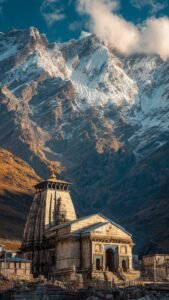
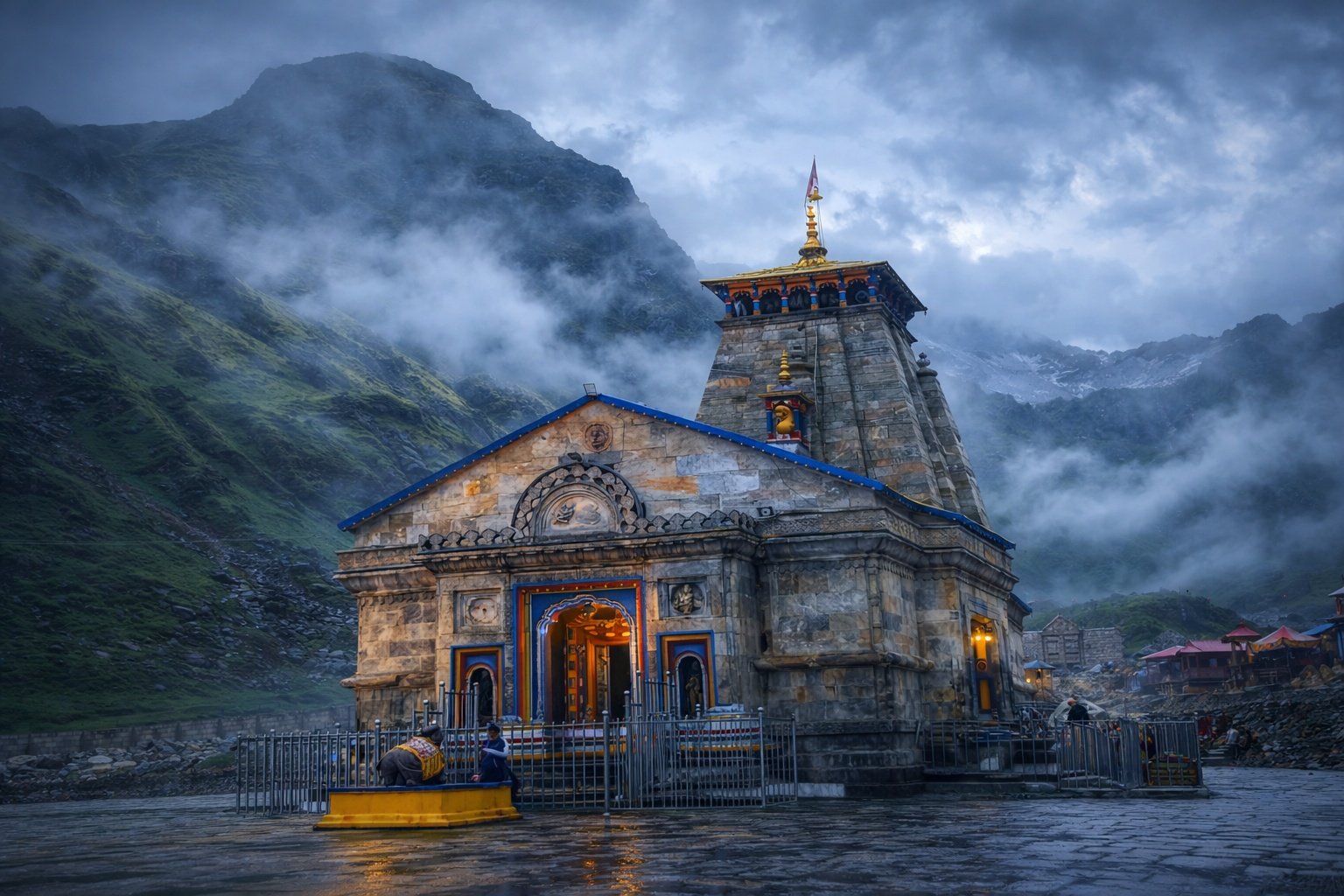
Kedarnath, standing at an altitude of 3,583 metres in the Garhwal Himalayas, is one of the most sacred Jyotirlingas of Lord Shiva and a destination that demands careful timing. The temple is open for only six and a half months each year, and the weather within that window varies dramatically from pleasant sunny days in May to icy mornings in October. This guide, prepared by the team at Dream Go Himalayas, gives you a complete, research-backed breakdown of every month so you can plan a safe, comfortable, and deeply fulfilling Kedarnath Yatra 2026.
✨ Top-Rated Kedarnath Yatra Packages: Looking for a reliable tour operator in Uttarakhand? Experience a hassle-free Char Dham and Kedarnath Yatra with Dream Go Himalayas LLP — featuring customized itineraries, experienced local guides, and full registration support.
Quick Answer — When Should You Visit Kedarnath?
Kedarnath Temple 2026 — Opening and Closing Dates
Kedarnath Temple will open for the 2026 yatra season on 22 April 2026 the auspicious occasion of Akshaya Tritiya at 8:00 AM with the Brahma Muhurta prayers. The temple will close for winter on 11 November 2026 on Bhai Dooj, when the sacred idol of Lord Kedarnath is ceremonially transferred to the Ukhimath Omkareshwar Temple in Rudraprayag, where worship continues through the winter months.
This gives pilgrims a window of approximately six and a half months. However, as the month-wise breakdown below shows, not every month within this period offers equally safe or comfortable conditions for travel.
Month-Wise Weather and Travel Conditions at Kedarnath
Kedarnath sits at 3,583 metres above sea level, which means temperatures are considerably colder than the towns and cities pilgrims depart from. The table below uses verified temperature data and trek condition reports to give you an accurate picture of each month in the 2026 yatra season.
| Month | Day Temp | Night Temp | Conditions | Crowd | Verdict |
|---|---|---|---|---|---|
| April | 5°C – 10°C | -2°C – 2°C | Temple opens late April, snow present, very cold nights | Very Low | Opening Month |
| May | 8°C – 15°C | 2°C – 6°C | Clear skies, best trekking conditions | High | Best Season |
| June | 10°C – 18°C | 4°C – 8°C | Warm days, cool nights, festival time | Very High | Best Season |
| July | 8°C – 14°C | 6°C – 10°C | Heavy rain, landslides risk | Very Low | Avoid |
| August | 8°C – 14°C | 7°C – 11°C | Peak monsoon, road closures | Very Low | Avoid |
| September | 6°C – 14°C | 3°C – 7°C | Clear skies, best views | Moderate | Highly Recommended |
| October | 2°C – 10°C | -1°C – 4°C | Cold, possible snowfall | Low | Highly Recommended |
| November | -2°C – 4°C | -5°C – -2°C | Early snowfall, temple closes | Very Low | First 10 Days |
| Dec–Mar | -10°C – -2°C | -15°C – -8°C | Temple closed, heavy snow | — | Closed |
Season-by-Season Breakdown
Summer — May and June
Temperature: 5°C – 18°C | Peak Pilgrimage Season
Summer is the most popular window for Kedarnath Yatra and the period when the region is most fully equipped for pilgrims. The Gaurikund–Kedarnath trek is in excellent condition, helicopter services from Phata and Sirsi helipads operate at full capacity, and all guesthouses, dhabas, and medical posts along the route are functional.
Days are comfortably warm in May, with temperatures reaching up to 15°C at the temple premises. June is slightly warmer with temperatures nudging 18°C during the day. Nights remain cold a warm jacket and thermal inner layers are essential regardless of how warm the days feel. In June, pilgrims also have the chance to witness the Badri Kedar Festival, an eight-day cultural celebration showcasing traditional Uttarakhand art, music, and dance.
The key drawback of this period is the large number of pilgrims. Queues at the temple can stretch for several hours. Accommodation and helicopter tickets fill up weeks in advance. Early booking is essential Dream Go Himalayas recommends booking at least 4–6 weeks ahead for May–June travel.
Monsoon — July and August
Temperature: 8°C – 14°C | Not Recommended
July and August represent the most hazardous period for Kedarnath travel. The southwest monsoon brings sustained heavy rainfall across Uttarakhand, turning the Gaurikund–Kedarnath trek into a slippery, unstable trail. Sections of the route run along steep hillsides where the combination of heavy rain and loose soil creates constant landslide risk.
The Rishikesh–Rudraprayag–Sonprayag highway is one of the most landslide-prone roads in Uttarakhand during the monsoon, and sudden road closures can strand pilgrims mid-journey for 12 to 48 hours. The 2013 Kedarnath flash floods which resulted in thousands of casualties occurred on 16–17 June due to an exceptional cloud burst during the monsoon entry period. While such extreme events are rare, the underlying risk of heavy rain, flooding, and infrastructure failure remains elevated throughout July and August every year.
Dream Go Himalayas strongly advises against travel to Kedarnath during the monsoon months, particularly for families, elderly pilgrims, and those with health conditions. If you must travel during this period, check NDMA weather alerts and local authority advisories daily before departing.
Post-Monsoon — September and October
Temperature: 0°C – 14°C | Best for Peaceful Darshan
September and October are, in many ways, the finest months for a Kedarnath visit yet they remain underutilised by most pilgrims who gravitate towards the busier summer season. By early September, the monsoon has retreated, leaving behind clean air, washed valleys, and skies so clear that the full panorama of the Kedarnath range and surrounding peaks is visible in breathtaking detail.
Crowd levels are significantly lower than May–June, which means shorter queues, easier darshan, and a more contemplative spiritual atmosphere at the temple. Hotel rates in Sonprayag and Guptkashi also tend to be lower in this period, making it a better option for budget-conscious pilgrims. October brings progressively colder nights temperatures can dip to −1°C at the temple level but days remain crisp and clear. Late October occasionally sees overnight snowfall, dusting the temple and its surroundings in white, which many pilgrims describe as one of the most spiritually moving sights they have ever witnessed.
Warm layering is essential in October: a good fleece or down jacket, thermal base layers, and windproof outer gear are necessary, especially if you plan to stay overnight near the temple. Helicopter services and pony/palki facilities remain available through October, though it is wise to confirm availability when booking.
Winter — November to April
Temperature: −15°C – −2°C | Temple Closed
After the temple closes on 11 November 2026, the entire Kedarnath valley receives successive snowfalls that render all trekking routes inaccessible. By December, the temple and surrounding structures are completely buried under several metres of snow, and the area is closed to all visitors.
During the winter months, the sacred idol of Lord Kedarnath is worshipped at the Ukhimath Omkareshwar Temple in Rudraprayag district, approximately 41 km from Guptkashi. Devotees who wish to seek Lord Kedar’s blessings during winter may visit Ukhimath for darshan, which is accessible by road throughout the year.
Best Time to Visit Kedarnath — By Traveller Type
Different types of travellers have different priorities. The table below matches each traveller profile to the ideal travel window based on weather, facilities, and physical demands.
Stable weather, all facilities active, and comfortable temperatures. Helicopter services available for convenience.
Medical support and helicopter evacuation are best in May. September offers fewer crowds and moderate weather.
Stable trekking conditions, low crowds, and the best Himalayan views for a true mountain experience.
Crystal-clear skies, snow peaks, and autumn light create perfect photography conditions.
Lower hotel prices in Sonprayag, Guptkashi, and Gaurikund with cheaper tour packages.
Full support with guides, porters, medical aid, and helicopter backup. Best for beginners.
What to Wear and Carry — Season-Wise Packing Guide
May and June
Daytime temperatures at the temple level range from 8°C to 18°C, which feels comfortable for trekking with light to medium layers. However, the altitude and wind chill make it feel considerably colder than these numbers suggest, particularly on exposed sections of the Gaurikund–Kedarnath route. Pack light wool or fleece for the day, a warm down or synthetic insulated jacket for evenings and mornings, thermal base layers for nights, and waterproof trekking shoes with grip soles. Carry sunscreen (SPF 50+) and sunglasses — UV intensity at 3,500+ metres is significantly higher than at sea level.
For late June, a lightweight waterproof rain jacket or poncho is advisable as the monsoon occasionally makes an early appearance in the second half of the month.
- Book early for May–June: Helicopter tickets from Phata and Sirsi helipads, hotels in Guptkashi and Sonprayag, and packages sell out 4–6 weeks in advance.
- Register in advance: Kedarnath Yatra 2026 registration is mandatory and free. Complete it before finalizing travel.
- Acclimatise before trekking: Stay one day in Sonprayag or Guptkashi to reduce AMS risk.
- Start the trek early: Begin from Gaurikund before 6:00 AM to avoid delays and reach safely.
- Do not underestimate October cold: Sub-zero nights require proper warm clothing.
- Check NDMA advisories: Especially during early September for weather updates.
- Choose September for budget travel: Lower prices and shorter temple queues.
Plan Your Kedarnath Yatra 2026 with Dream Go Himalayas
Guided packages starting from ₹9,999 per person — covering transfers, accommodation, meals, yatra registration assistance, and experienced local guides for every step of your journey.
View Kedarnath Yatra 2026 Packages