
Osla Village: History, Architecture & Local Traditions (A Field Guide for Trekkers)
There is a moment on the Har Ki Dun trail when the path opens up and you see a village clinging to a steep hillside. Wooden houses are stacked on narrow terraces, smoke rises from kitchens and a temple stands near the centre. That is Osla, the last permanent village before the valley.
Most trekkers walk through it in an hour. This guide is for people who want to understand what they are looking at: how the houses are built, what the temple represents, which stories belong to local belief and which facts can be verified. If you are planning the trek itself, you can see the full route and plan on our Har Ki Dun trek page.
Osla at a Glance
| Detail | Information |
|---|---|
| What it is | The last permanent village on the Har Ki Dun route |
| Where | Har Ki Dun valley, Govind Pashu Vihar area, Uttarkashi, Uttarakhand |
| Approx. altitude | ~2,600–2,800 m |
| Landscape | Steep hillside terraces above the Supin river |
| Built with | Local wood and stone |
| Central landmark | The village temple, known to the community as Someshwar |
| Cultural region | Ranwai Ghati, also called Parvat Ghati |
| What to expect ahead | Forest, meadow and valley, with no regular shops after the village |
How to Read Osla: A Walk Through the Village
Here is a simple way to “read” the village when you arrive, in the order most trekkers meet things.
1. Start with the slope
Look at how the houses sit. They are not spread out on flat ground. They follow the hillside in rows, each level slightly above the one below. This saves usable farmland and keeps homes close together for warmth and safety.
2. Notice the walls
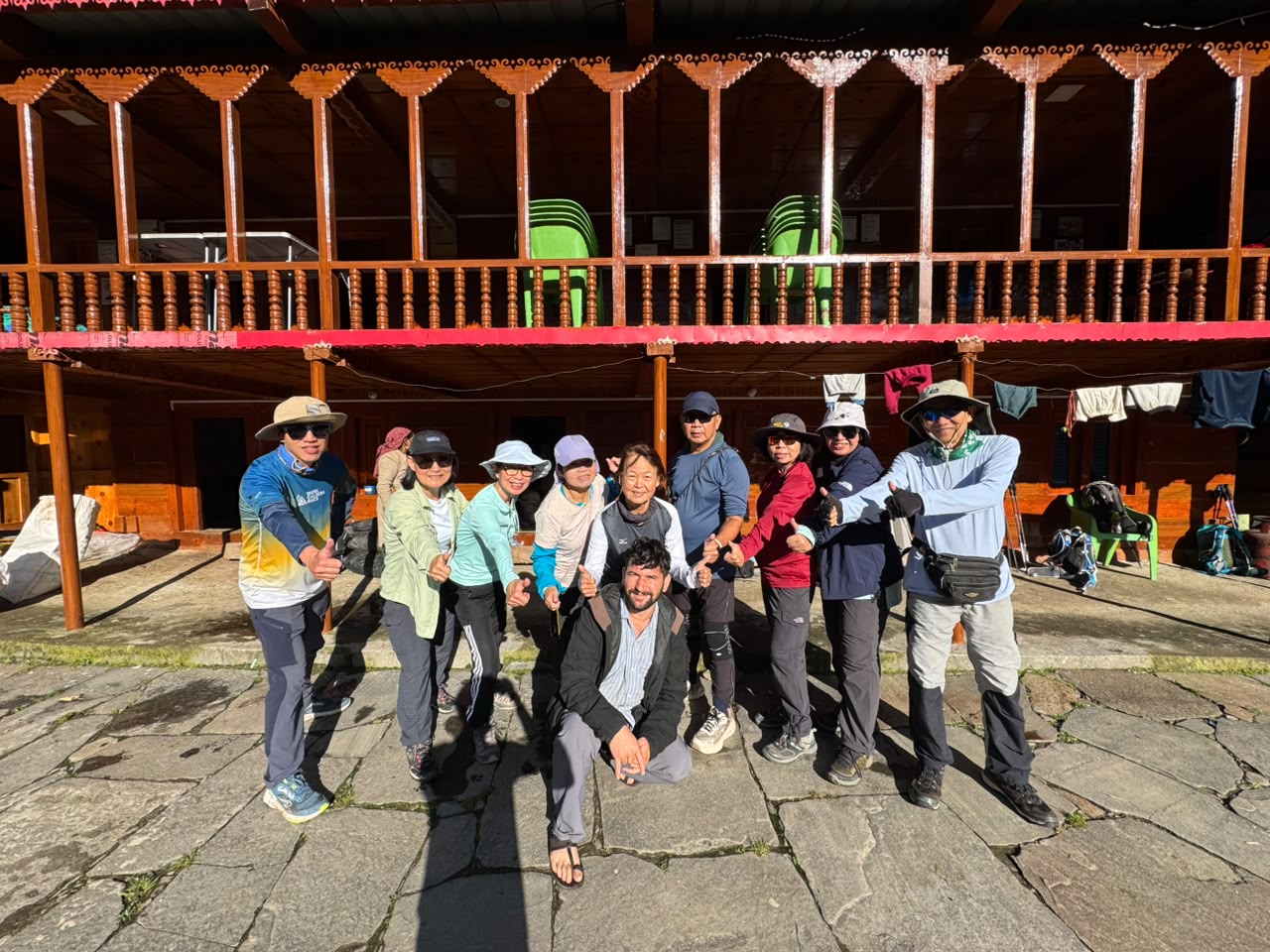
The walls are not plain. Look for the pattern of timber beams and stone. Writers who have studied the valley’s wooden buildings describe walls raised in alternating layers of stone and wood, a method seen in the older temples of the nearby Tons valley as well.
3. Find the roofline
Roofs are shaped for heavy snow and rain. Slopes shed water, and the overhangs protect the walls and the wooden balconies below.
4. Look for carvings
Not every house is decorated, but older buildings in this region often have carved doors, pillars and panels. Common motifs include flowers, leaves and sometimes animals.
5. End at the temple
The village temple is the heart of the settlement. Descriptions by trekkers and village-focused writers mention a three-chambered wooden structure decorated with bells and prayer flags.
Myth, Story or Fact? Understanding Osla's History
Osla does not have a neat written history, so it helps to separate three kinds of information.
Verified or widely documented
- Osla is a long-established farming and herding village, with terraced fields and seasonal routines.
- Its buildings follow centuries-old regional methods using wood and stone.
- The valley belongs to the wider cultural region of Ranwai Ghati, which sits close to the Uttarakhand-Himachal border and the Jaunsar-Bawar area. This is why you can notice influences from Himachali, Jaunsari and Ranwai traditions.
Local belief and oral tradition
- A popular story links the valley to the Mahabharata. It says the Pandavas set out for heaven via Swargarohini, the peak that stands opposite Har Ki Dun.
- Villagers also enact Pandava stories in folk performances. These are cultural expressions, valuable in themselves, even though they are not archaeological proof.
Still debated
- Which deity is the temple for? Some travel sites call it a Duryodhana temple. Village-focused writers say the temple is dedicated to Someshwar, a form of Shiva, and that the Duryodhana label does not reflect local understanding.
Our approach: use the name people in the village use, and mention the outside claim only as something you may hear.
Architecture Explained in Plain Language
Why wood and stone?
Because that is what the land offers. The forest gives timber, the slopes give stone, and a village with no motor road has every reason to build from nearby materials.
What the style does well
- Keeps heat in: the combination of wood and stone helps houses cope with sub-zero winters.
- Handles movement: timber frames are better at flexing on unstable slopes than rigid masonry alone.
- Can be repaired locally: carpenters in the wider valley, including families who build both homes and temples, can mend what time and weather damage.
The temple tradition of the valley
Most older temples in this part of the Tons valley are dedicated to Someshwar and follow a wooden building tradition often described as Nagar style. Typical features include a platform of beams and stone and walls made from alternating courses of the two materials.
A note on restoration
In nearby villages, some temples have been repainted in recent years. Not everyone welcomes this, because paint can hide original carving. When you visit, notice whether surfaces look natural or freshly coloured, and ask your guide to explain the difference.
Traditions You May Notice
The temple as a community anchor
In Garhwali villages, the deity is not only a symbol of faith. It is a shared identity. Families who live elsewhere often return for festivals, and many rituals involve the whole community.
Festivals
Writers who have documented the valley mention:
- a multi-day festival in August, with rituals and traditional Garhwali dance
- a gathering in late August, in which villagers act out the roles of the Pandavas
Dates change each year and are decided by the community. If you hope to see one, confirm timing beforehand and treat it as a private community event, not a performance for visitors.
Everyday culture
Expect to notice traditional clothing, folk songs, drums and weaving, along with daily farm routines. The mix of regional influences means customs here can feel both familiar and unique.
The Seven Rules of Visiting Osla Respectfully
- Ask before taking photos of people, homes or the inside of the temple area.
- Dress modestly and follow your guide’s advice about temple spaces.
- Do not touch carvings or enter sacred areas unless invited.
- Carry your waste out, since there is no collection beyond the village.
- Speak softly. Avoid loud music and drones.
- If you want snacks or tea, ask politely and do not assume shops are open.
- If a festival is on, observe quietly from a distance unless welcomed.
Osla on the Har Ki Dun Route
Osla sits in the middle of the trek, after Seema and before Kalkattiyadhar and the valley. Some itineraries camp near it, others simply pass through.
Practical tips:
- Allow at least an hour in the village if you want to look around.
- Carry water and snacks, because supplies are limited beyond this point.
- Try to cross it in clear light for the best views of the slope.
- Ask your trek leader to point out features you might otherwise miss.
You can compare how the village fits into the day-wise plan on our Har Ki Dun trek page.
Best Time to See Osla
| Season | What You See |
|---|---|
| April–June | Green slopes, warm days, easy walking |
| July–August | Rain and slippery trails; possible festival period but harder travel |
| September–November | Clear skies, crisp air and golden light |
| Winter | Snow-covered roofs, quiet village, cold and challenging conditions |
For most first-time trekkers, May–June or late September–October offer the best balance. Read our detailed guide to the best time to visit Har Ki Dun.
Other Villages Along the Way
| Village | What Makes It Notable |
|---|---|
| Sankri / Saur | Base village with older wooden houses and carvings |
| Taluka | Traditional starting point of the trek |
| Gangad | Terraced fields and wooden houses by the river |
| Seema | A small settlement facing Osla across the river |
| Osla | The last village, with the central temple and hillside houses |
Walking through them in order shows how architecture and farming adapt as altitude rises.
Frequently Asked Questions
What is Osla village famous for?
It is the last village on the Har Ki Dun trek, known for its wooden houses and temple.
Is Osla’s temple a Duryodhana temple?
Some sources say so, while local accounts describe it as a Someshwar (Shiva) temple. It is best to follow the name used by the community.
What is the architecture of Osla?
Wood-and-stone houses and a wooden temple, built on terraced slopes and designed for cold weather.
Are there festivals in Osla?
Reports mention an August festival and a Pandava-themed folk performance in late August, but dates vary.
How high is Osla?
Roughly 2,600–2,800 m, depending on the source.
Can I buy things after Osla?
Very little is available, so carry what you need.
Is Osla on every Har Ki Dun itinerary?
It lies on the standard route, so you pass it on the way up and back.
Where can I see the full trek plan?
See our Har Ki Dun trek page.